
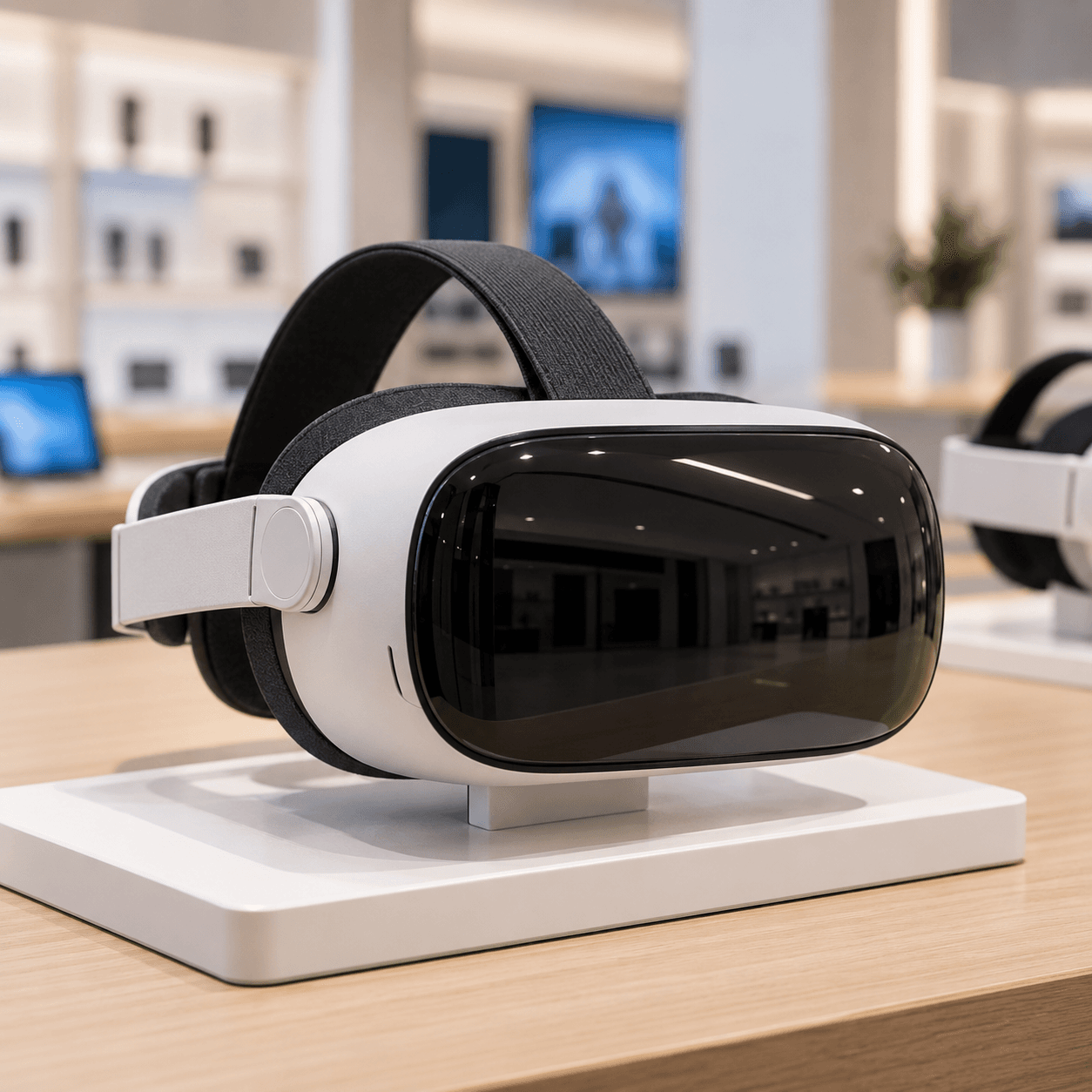
Meta and Best Buy announced that more than 50 dedicated demo spaces called “Meta Lab” are opening inside Best Buy locations across the US and Canada by the end of 2026.
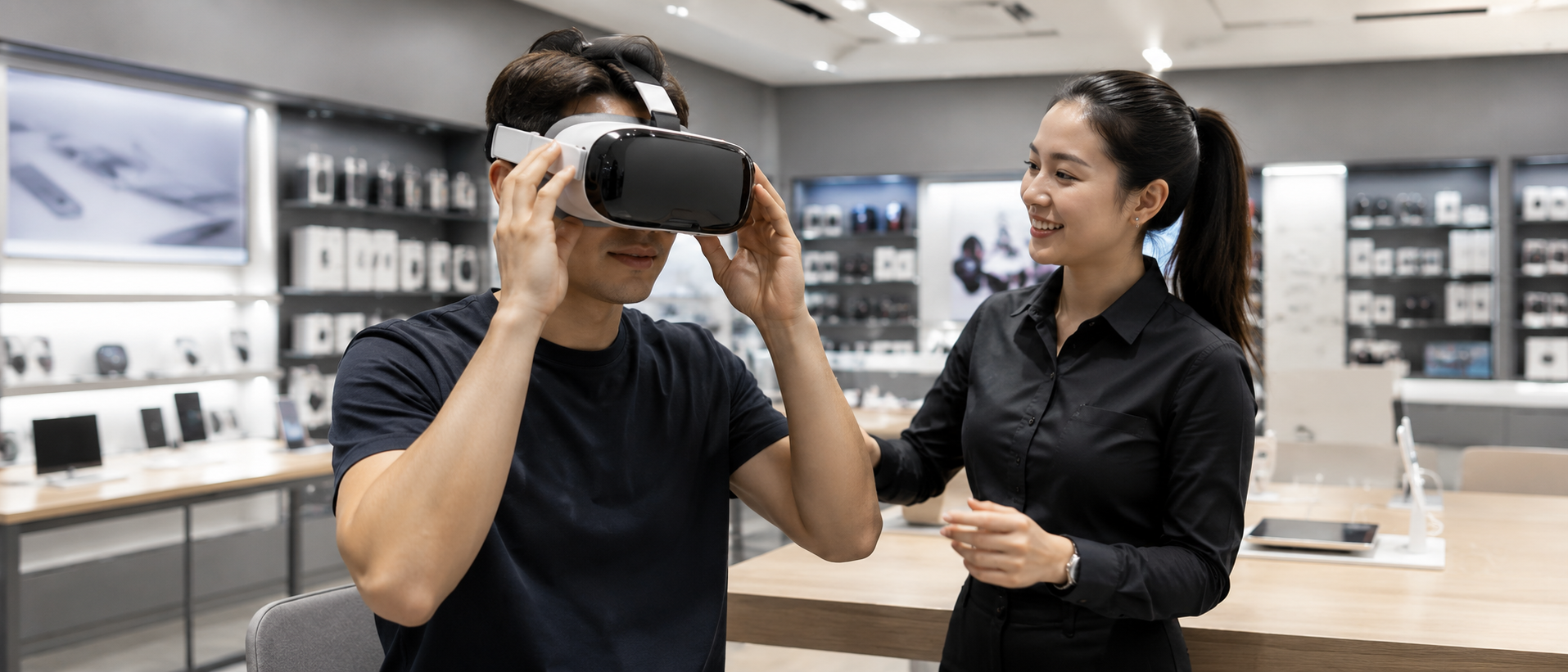
No matter how good a pair of smart glasses or a VR headset looks in online marketing, most people genuinely need to try a device on before they’ll commit to buying it, and Meta’s decision to open more than 50 dedicated “Meta Lab” demo spaces inside Best Buy locations across the US and Canada directly addresses that exact barrier. This blog explores why this specific retail distribution strategy matters so much for AR and VR hardware adoption, and what it signals about how the industry is finally solving one of its most persistent, underdiscussed problems. It opens by explaining the try-before-you-buy gap this move addresses, that AR and VR hardware is fundamentally an experiential product category, unlike most consumer electronics, the actual value proposition of a headset or smart glasses is genuinely difficult to communicate through a product photo or spec sheet alone, since comfort, field of view, and overall experience quality can only really be evaluated by physically wearing the device. The piece walks through why partnering with an established consumer electronics retailer specifically, rather than relying purely on dedicated brand stores or online sales, represents a smarter distribution strategy at this stage of the market, since Best Buy already has the foot traffic, retail infrastructure, and mainstream consumer trust that a standalone Meta retail presence would take years to build from scratch. It covers what dedicated demo spaces specifically solve that a standard retail shelf display cannot, letting a potential buyer actually put on a headset or a pair of glasses and experience the technology properly, guided by trained staff, rather than making a purchase decision based purely on a locked display model or a salesperson’s verbal description.
A section will address what 50-plus locations across two countries by the end of 2026 signals about the scale of this commitment, arguing that this level of retail investment reflects genuine confidence in converting hands-on trial into purchase decisions, a bet that only makes sense if Meta’s own data already shows strong conversion from in-person demos. The blog also touches on what this retail strategy means for the broader AR and VR hardware industry beyond Meta specifically, since a successful large-scale retail demo program tends to lift the entire category’s mainstream visibility and credibility, potentially benefiting consumer awareness and comfort with AR and VR hardware broadly, not just the specific devices on display. AR and VR retail distribution, hands-on hardware demos, and mainstream consumer adoption strategy are the throughlines here, exploring why physical, guided trial experiences may matter more to AR and VR adoption than any marketing campaign.