
Meta is teasing VR announcements ahead of its Connect event, while Valve is slowly ramping up hype for the Steam Frame, a headset many in the VR community have been anticipating. This comes as industry coverage shows AR and smart glasses content has never dipped below a third of total XR news coverage since mid-March 2026, peaking at just over half in May during AWE conference season, reflecting a market where both headset-based VR and lightweight AR wearables are advancing on parallel tracks.
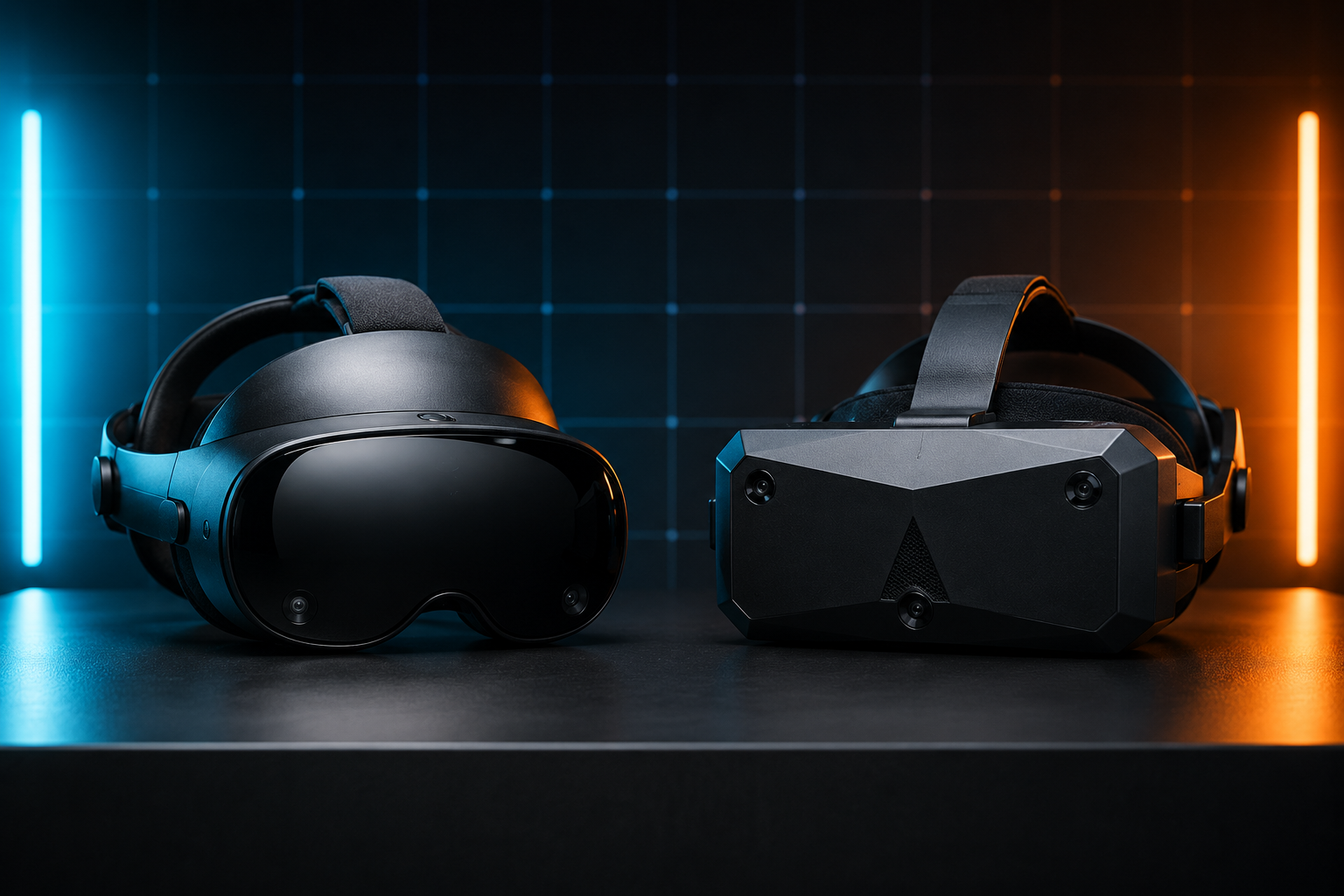
Two of the biggest names in gaming and technology hardware, Meta and Valve, are both building toward major headset announcements right now, with Meta teasing news ahead of its Connect event and Valve steadily ramping up anticipation for its long-awaited Steam Frame headset. This blog uses that dual momentum as a lens to explain why headset-based VR is still very much alive and advancing, even as a huge amount of industry attention has shifted toward lightweight AR smart glasses over the past several months. It opens by acknowledging that easy narrative, that glasses are taking over and headsets are yesterday’s technology, and then complicates it with the actual data, showing that AR and VR are advancing on separate but parallel tracks rather than one replacing the other. The piece explains the core distinction that matters for enterprise buyers trying to make sense of this moment, that VR headsets remain the strongest tool for fully immersive, high-focus scenarios like deep training simulations and design review, while AR glasses are becoming the tool of choice for lighter-weight, in-the-moment information delivery. It walks through why competition between major hardware players like Meta and Valve tends to benefit enterprise buyers specifically, since increased competition typically accelerates price drops, improves developer tools and SDK access, and pushes headset comfort and performance forward faster than a single dominant player would on their own.
A section will cover what businesses evaluating VR training or simulation investment should actually watch for as new headsets are announced, including practical factors like field of view, comfort for extended sessions, and whether a device is positioned for consumer gaming or built with enterprise deployment features like device management and fleet-level content control in mind. The blog also addresses a common hesitation among business buyers, the fear of investing in a headset platform that might be quickly outdated, and reframes that concern by pointing out that well-built immersive training content is generally portable across headset generations, meaning the software investment holds its value even as hardware continues to evolve. VR headset innovation, enterprise VR hardware, and immersive training technology trends are the throughlines here, positioning this fast-moving hardware news cycle as genuinely relevant context for any business currently evaluating or already running a VR training or visualization program.