

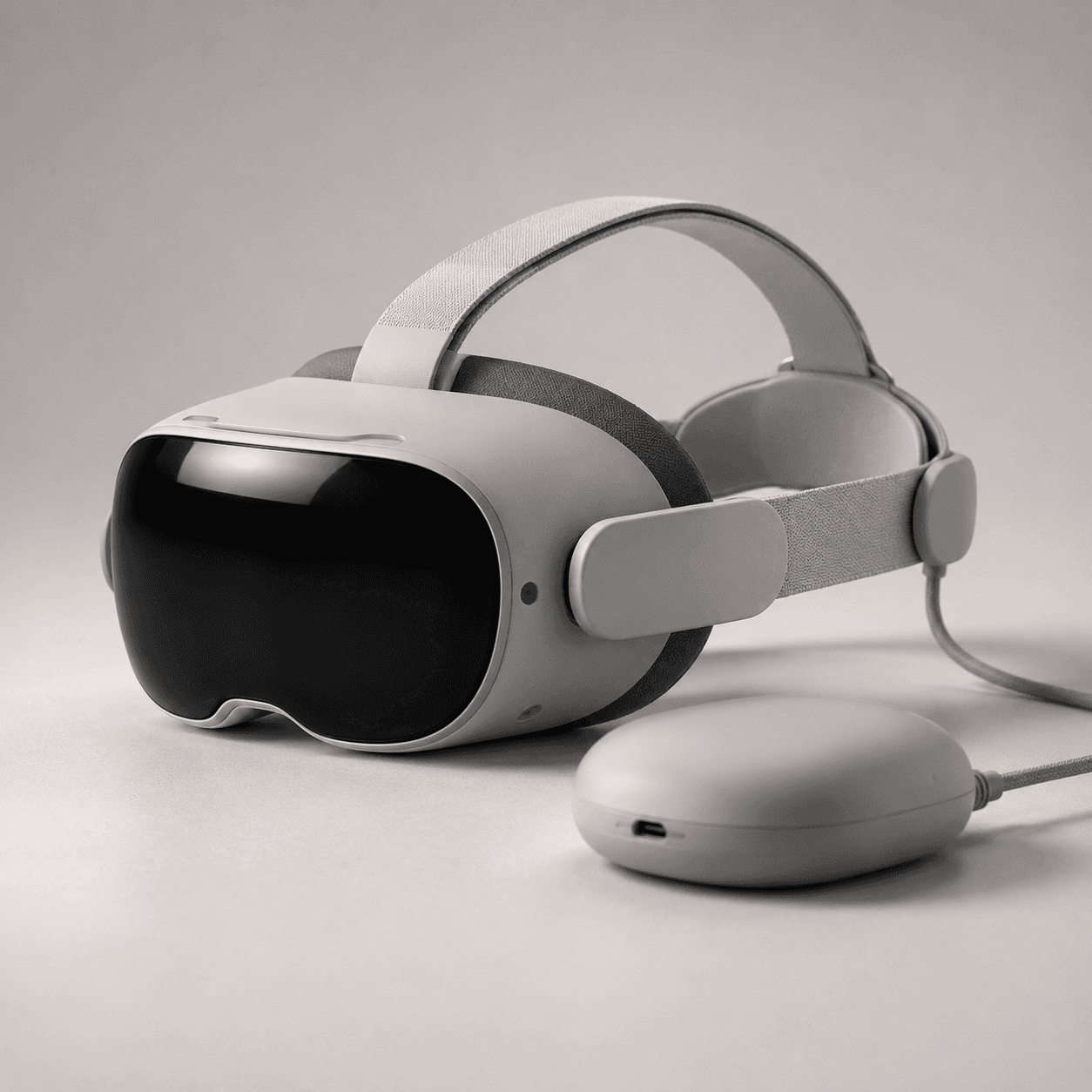
Meta’s Phoenix VR headset was revealed in leaked Quest firmware on July 29, 2026, confirming a slim, glasses-like design under 110 grams with a tethered compute puck, independent lens adjustment, and gaze-and-pinch controllers rather than traditional handheld controllers. Meta Connect runs September 23–24, with a commercial launch targeted for the first half of 2027.
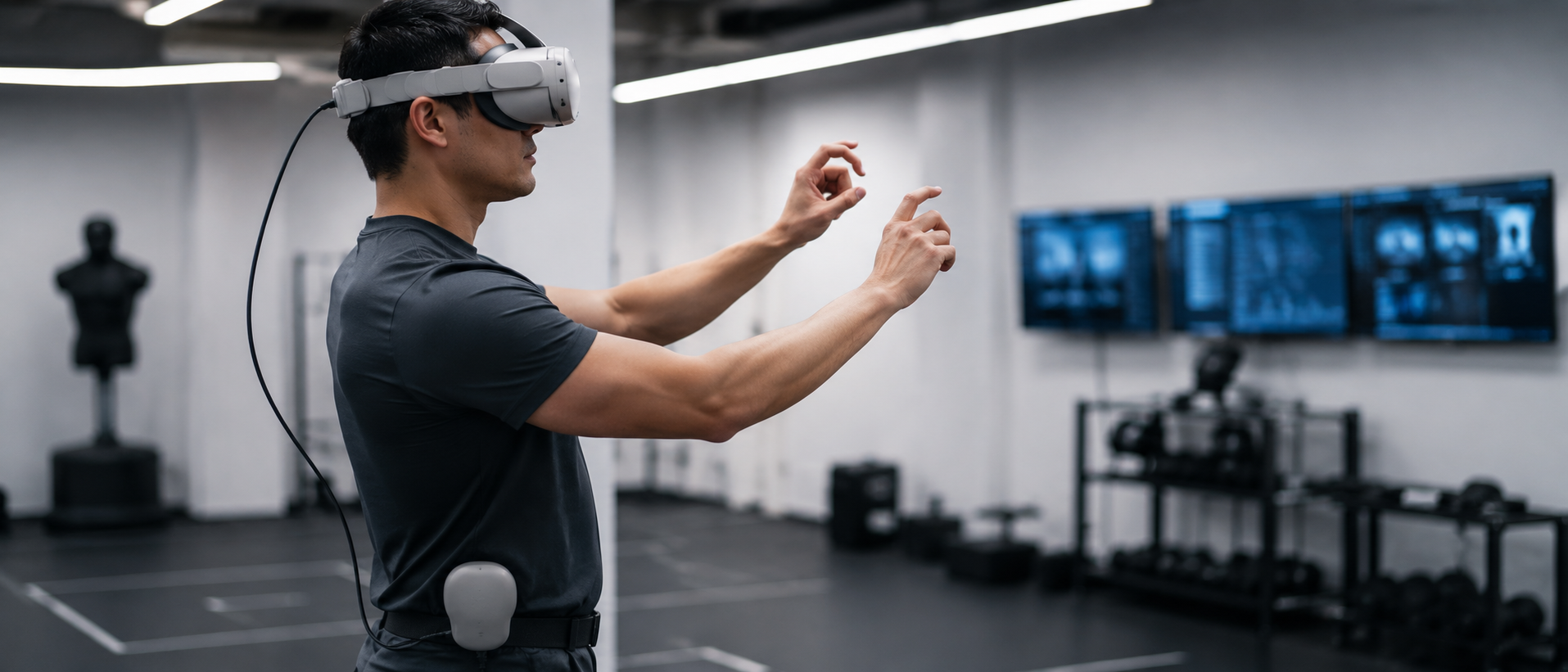
A headset weighing under 110 grams sounds like a minor spec detail until you consider what current VR headsets actually weigh, generally two to three times that, and what that weight difference means for how long someone can comfortably wear one. This blog uses the newly leaked details of Meta’s Phoenix headset to explore what a genuinely lightweight, glasses-like VR form factor could mean for training and enterprise use cases specifically, well beyond the gaming context most Phoenix coverage focuses on. It opens by explaining the core design choice driving this weight reduction, moving processing power into a separate, tethered compute puck rather than packing it into the headset itself, the same architectural approach several other lightweight AR and VR devices have adopted, trading a small cable or pocket-worn unit for a dramatically lighter head-worn component. The piece walks through why gaze-and-pinch controllers replacing traditional handheld controllers matters for training applications specifically, since hands-free interaction removes a genuine barrier for training scenarios requiring realistic tool handling or equipment operation, where holding a game controller has always felt disconnected from the actual physical task being simulated. It covers what independent lens adjustment solves practically, since a poor optical fit is one of the most common reasons VR headsets get abandoned after initial use, and a device that can be properly adjusted for each individual wearer removes a genuine adoption barrier for shared, multi-user enterprise training deployments.
A section will address the realistic timeline businesses should plan around, since Phoenix is targeting a first-half-2027 commercial launch, meaning this is a signal to plan future training infrastructure around rather than a device available for deployment today, with Connect in September likely offering only a preview or partial reveal rather than final specs and pricing. The blog also touches on the pricing tension this leak surfaces, noting that earlier reports suggested Meta was targeting under $1,000, a figure now under pressure from the same rising component costs affecting the entire XR hardware industry, meaning businesses planning multi-year training infrastructure budgets should build in some pricing flexibility rather than anchoring expectations to earlier, pre-cost-increase estimates. Lightweight VR training hardware, next-generation headset design, and enterprise VR comfort are the throughlines here, translating a firmware leak into genuinely useful forward planning for training-focused VR adoption.