

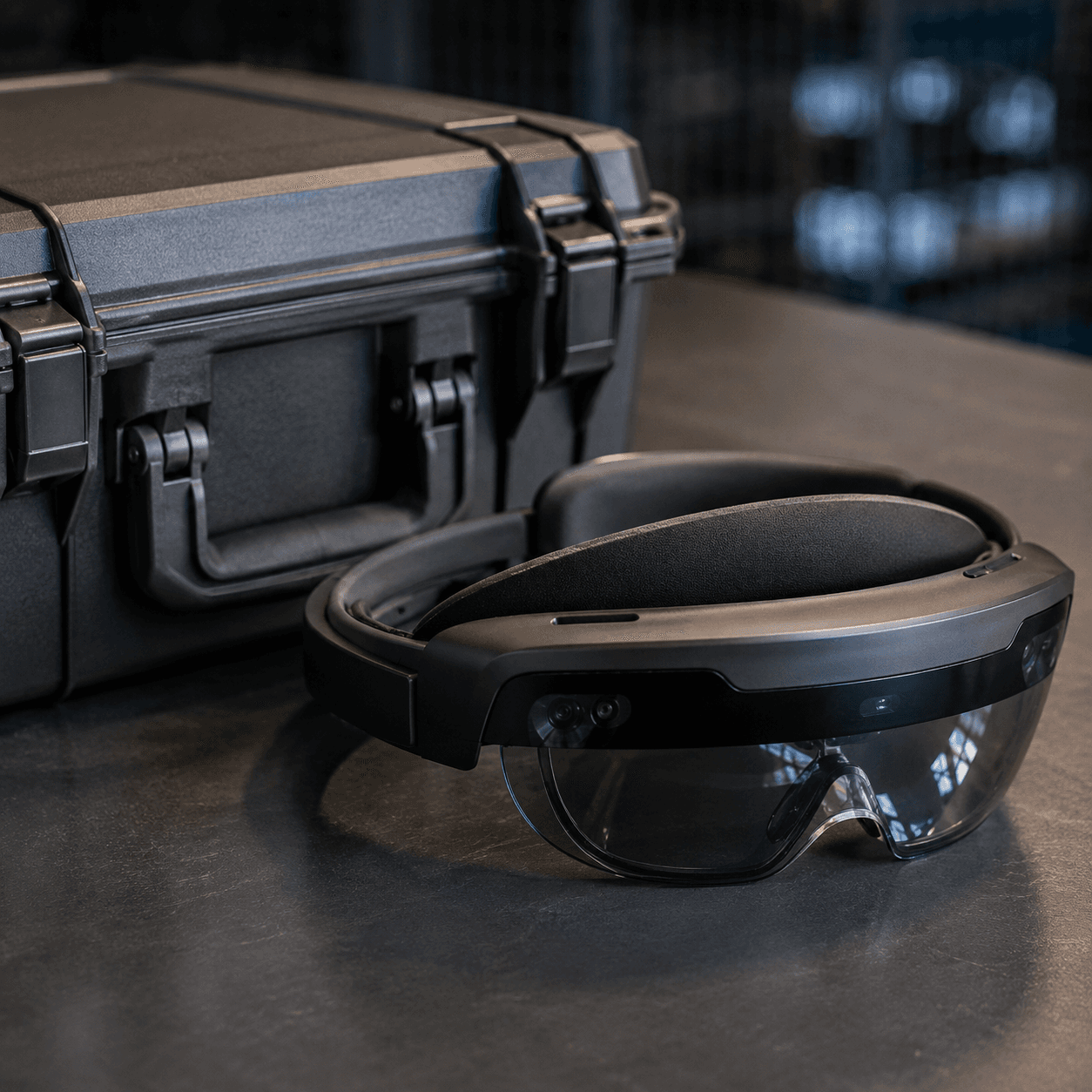
Varjo’s Integrated XR Systems combine XR-4 Series headsets, certified workstations, pre-installed software, bundled licenses, and expert support into a single deployable package for air-gapped, secure environments, with the company’s Chief Revenue Officer stating: “Our military customers need fully equipped systems they can trust, not just devices.”
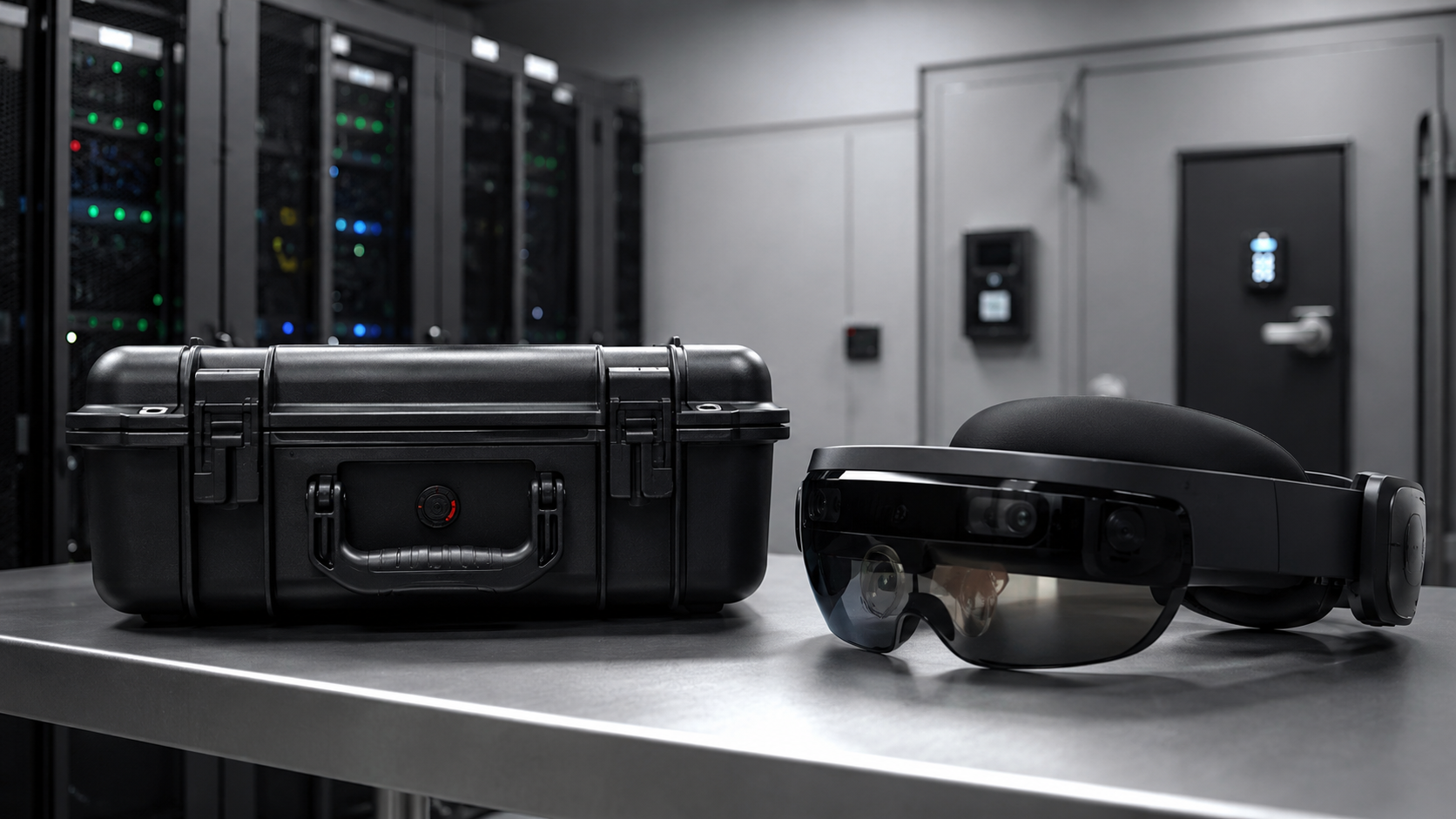
Deploying enterprise VR at genuine scale has traditionally meant sourcing headsets, workstations, and software from separate vendors, then handling the integration, compatibility testing, and support coordination internally, and Varjo’s decision to package all of that into a single, pre-validated system specifically for air-gapped, secure environments reveals a genuine shift in how the most demanding customers actually want to buy this technology. This blog breaks down why bundled, ready-to-deploy XR systems represent a meaningfully different value proposition than best-of-breed component shopping, and what that shift means for any organization evaluating secure or mission-critical VR deployment. It opens by explaining the specific pain point this bundled approach solves, that organizations have historically needed to source headsets, compatible workstations, and software separately, then handle integration and testing themselves, a process that introduces real delay and genuine technical risk, especially in environments where the resulting system must work correctly from day one without ongoing internet-based troubleshooting support. The piece walks through why air-gapped deployment specifically makes this bundling approach so much more valuable, since a system that must operate entirely disconnected from external networks cannot rely on downloading missing drivers or patches after the fact, meaning every component needs to arrive pre-validated and working together before it ever reaches a secure facility. It covers what the specific software bundle included, Windows 11 Pro, proprietary base software, NVIDIA tools, Steam and SteamVR, plus sample demos and setup utilities, all pre-installed, actually solves, letting an organization deploy a fully functional system without any internet connectivity or additional downloads required at the point of use.
A section will address why this bundled approach matters beyond defense specifically, arguing that any enterprise deploying VR at scale across multiple secure or remote sites faces a similar underlying integration challenge, even without air-gap requirements, making pre-validated, ready-to-deploy systems a genuinely useful model for large-scale training and simulation rollouts generally. The blog also touches on what this pattern signals about enterprise VR market maturity, since hardware makers investing in complete, validated system offerings rather than component sales alone reflects growing recognition that large customers want reliability and speed of deployment over maximum component flexibility. Bundled enterprise VR deployment, air-gapped secure systems, and mission-critical XR infrastructure are the throughlines here, exploring what a shift toward complete, pre-validated systems means for large-scale VR adoption.