
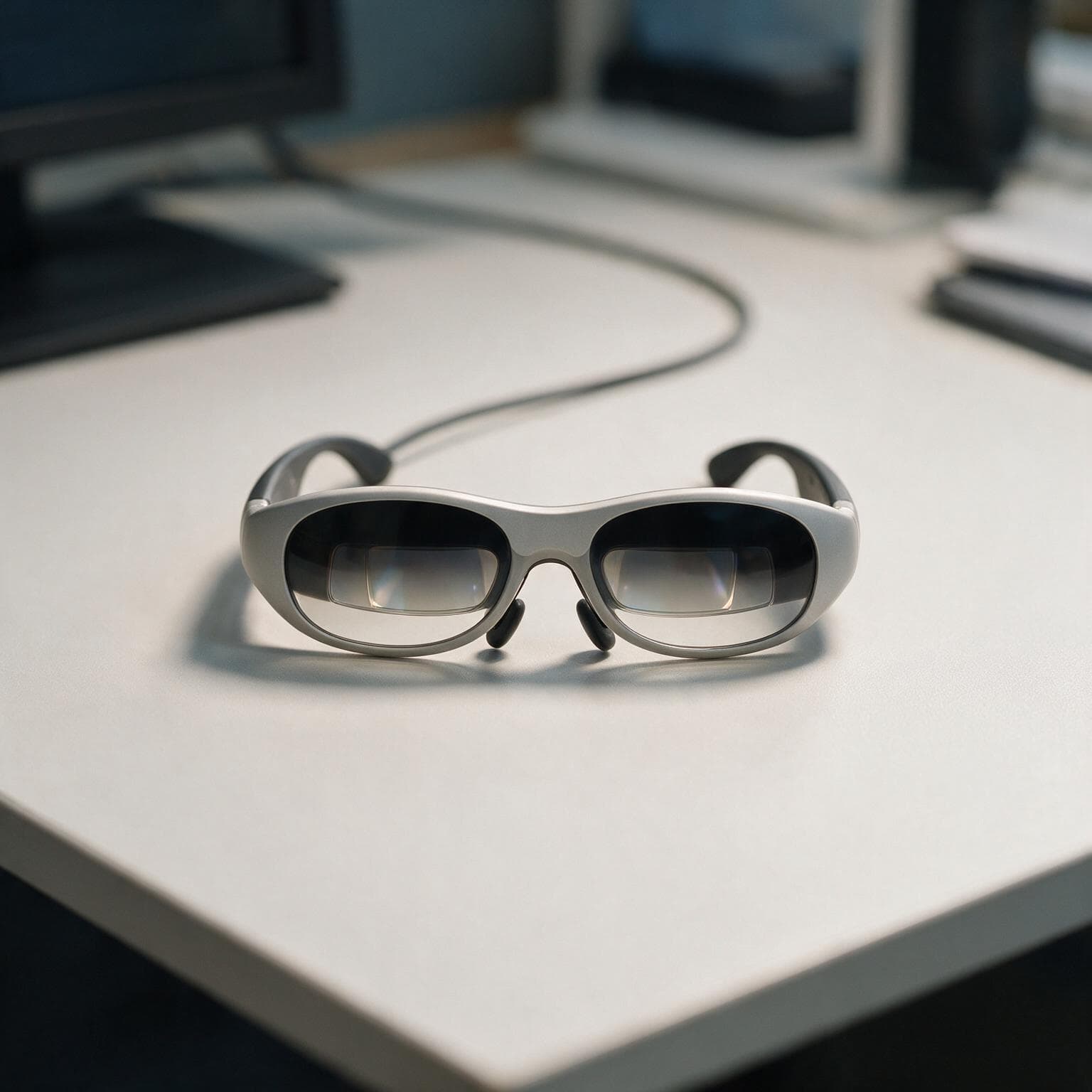
VITURE has launched the Pro 2, wired AR display glasses priced at $299, weighing 63 grams, 20% lighter and 16% thinner than its predecessor, aimed at hybrid workers wanting a private display for compatible USB-C devices. Co-founder Emily Wang framed the goal directly: “Five years ago, we answered the question, ‘Can XR glasses work?’ Today, VITURE Pro 2 answers a harder one: ‘Can they be a joy to wear, even for three hours straight?'”
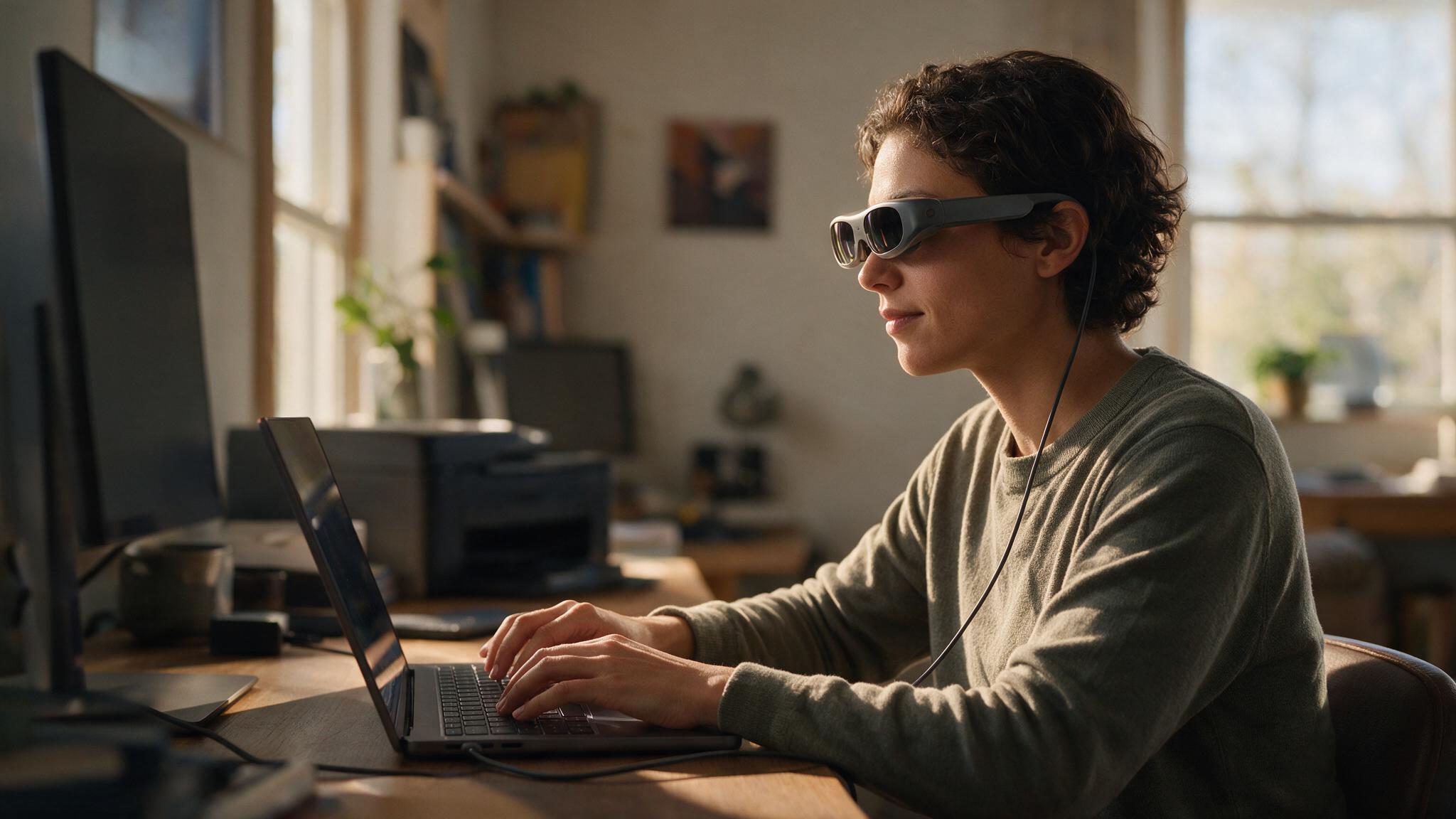
A device spec sheet can tell you a headset’s weight in grams, but it can’t tell you whether that weight actually stays comfortable through a genuine three-hour work session, and VITURE’s Pro 2 launch explicitly frames comfort duration, not raw capability, as the harder problem this generation of product is trying to solve. This blog breaks down why “comfortable for three hours” is a genuinely more useful benchmark for enterprise buyers than most spec-sheet comparisons, and what businesses evaluating AR glasses for hybrid work should actually test before committing to a device. It opens by explaining why this framing matters so much for enterprise productivity use cases specifically, since a private display glasses device is only valuable if someone will actually wear it through a real workday, meaning comfort over extended, realistic session lengths matters considerably more for this use case than it does for a device only worn in short bursts. The piece walks through what the 63-gram weight, a 20% reduction from the previous model, likely means practically, since incremental weight reductions at this scale often determine the difference between a device someone tolerates briefly and one they genuinely forget they’re wearing during focused work, a distinction that matters enormously for actual daily adoption rather than one-time demo impressions. It covers why the wired, USB-C-compatible design represents a deliberate simplicity tradeoff worth understanding, trading the convenience of a fully wireless, standalone device for a lighter, simpler form factor and lower price point, a reasonable choice specifically for the private-display productivity use case this device targets rather than a broader spatial computing application.
A section will address what enterprise buyers should specifically test when evaluating any AR glasses device marketed around comfort claims, arguing that a brief showroom trial reveals almost nothing about three-hour comfort, making genuine extended trial periods with actual target employees a non-negotiable step before any bulk purchase decision, regardless of how compelling the marketing claim sounds. The blog also touches on why price matters alongside comfort for this specific use case, since a $299 price point for a private productivity display sits considerably below premium spatial computing headsets, making this a genuinely more approachable entry point for businesses wanting to pilot AR-based private displays across a broader employee base without committing to premium headset-level budgets. Hybrid work AR glasses, extended-wear comfort testing, and enterprise productivity display hardware are the throughlines here, translating a comfort-focused product launch into a genuinely practical evaluation framework for businesses.