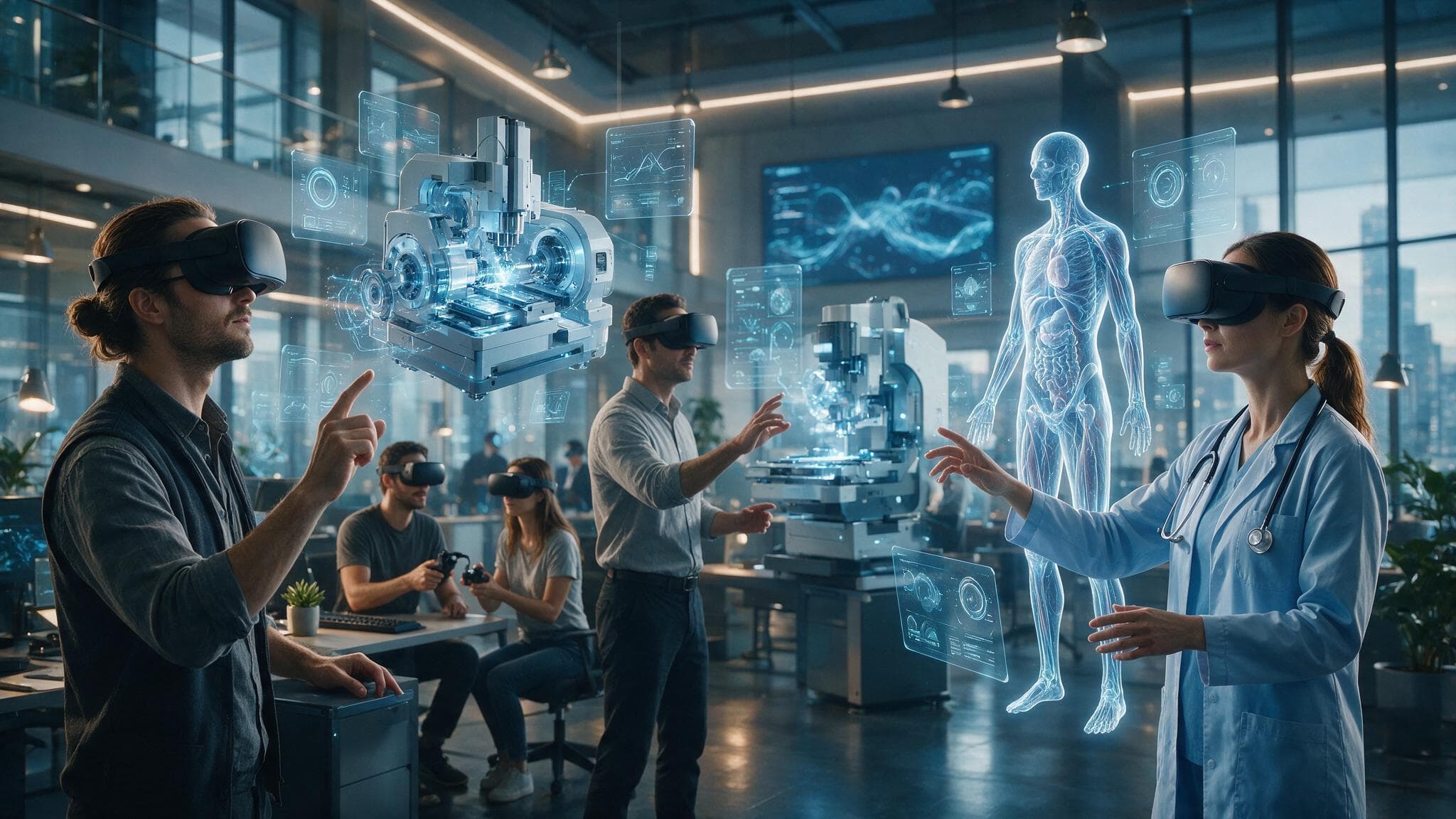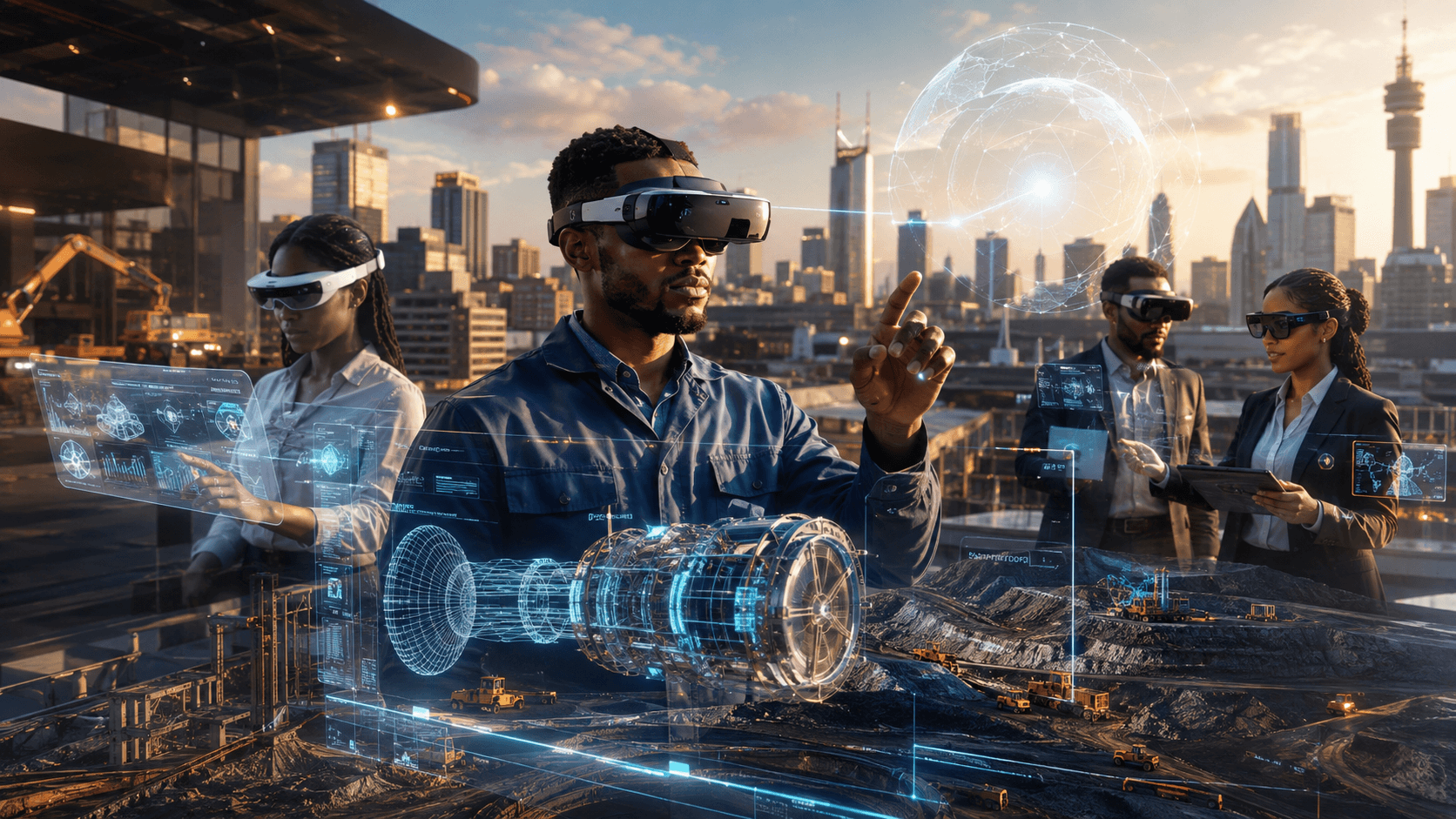

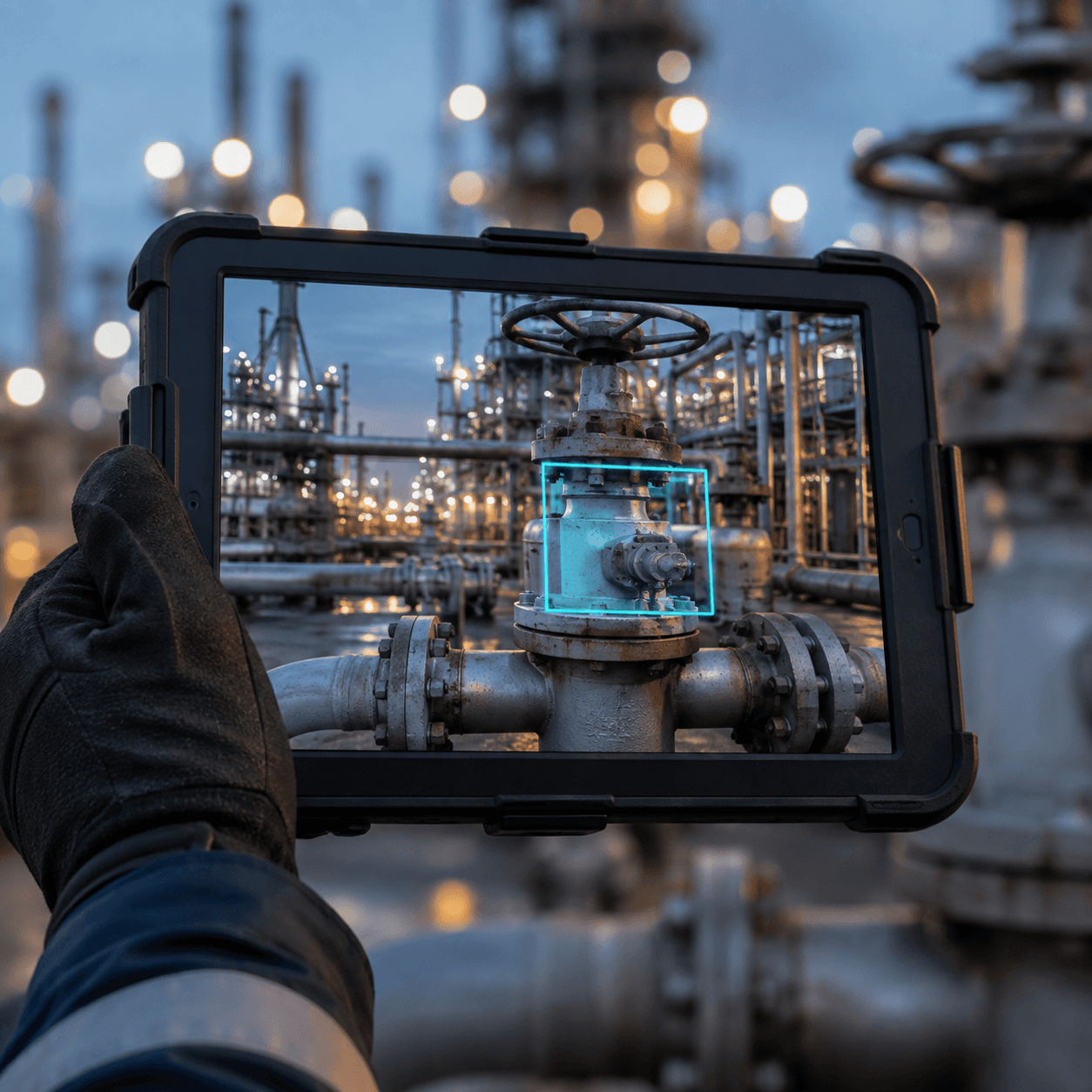
AI-powered AR is being used to visualize hazards alongside real-world equipment and layer in live sensor data, providing step-by-step guidance in remote, hostile, and unforgiving oil and gas environments where every second is critical, with immersive VR/AR training modules covering safety and operational areas now trusted by companies including ExxonMobil, Shell, and BP.
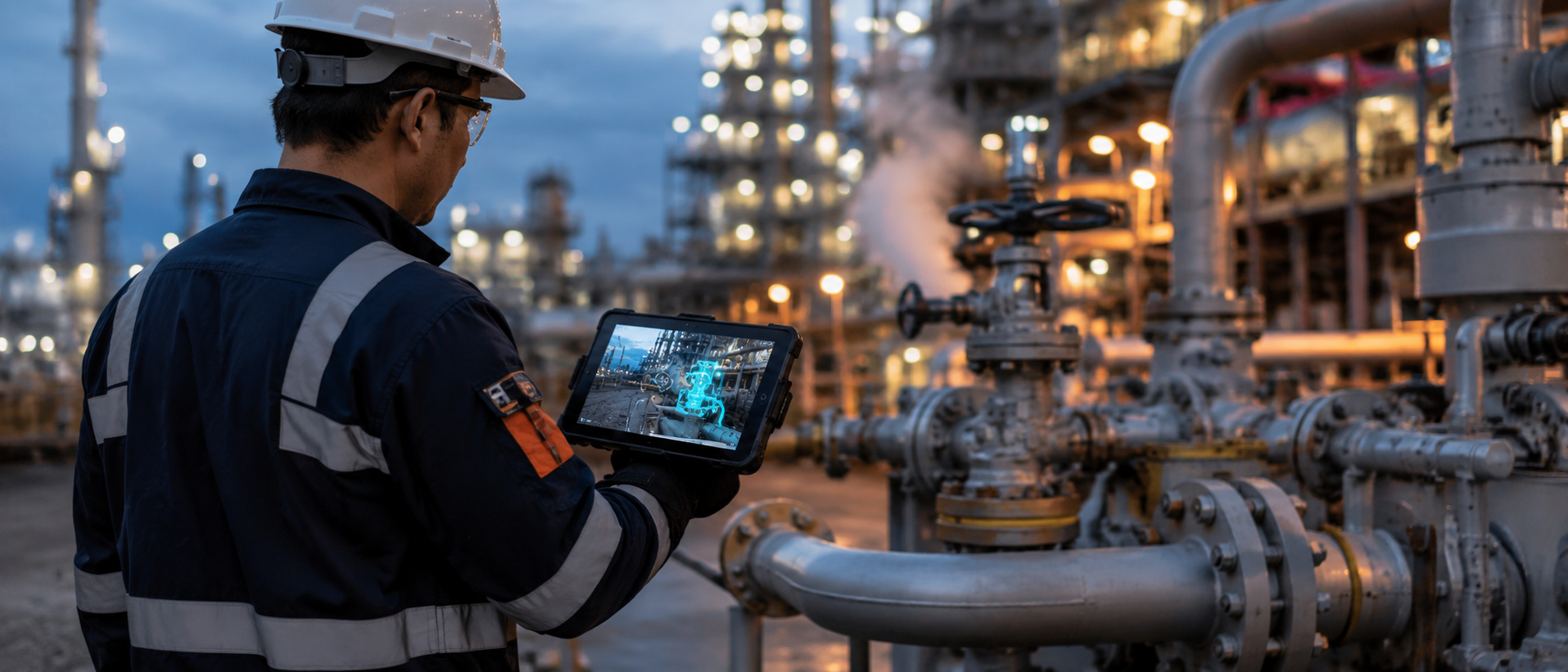
Oil and gas has historically been one of the slower industries to adopt AR and VR technology at scale, a gap earlier industry analysis attributed to the sector simply not moving as aggressively as manufacturing, aerospace, or retail, but that pattern appears to be genuinely shifting, with major operators including ExxonMobil, Shell, and BP now deploying immersive training and AI-powered AR solutions across their safety and operational workflows. This blog explores what’s different about this current wave of adoption, and why the combination of AI and AR specifically, rather than either technology alone, is what’s finally making a meaningful difference in an industry defined by remote, high-risk physical environments. It opens by explaining the specific structural advantage oil and gas actually has for this kind of technology, that industrial AR and VR work best layered on top of large quantities of sensor data, and oil and gas facilities, wells, and refineries have had extensive sensor infrastructure in place for years, meaning the data foundation needed for genuinely useful AR overlays was already largely built before the visualization layer caught up. The piece walks through what AI-powered AR specifically adds beyond earlier, simpler AR overlays, fusing real-time sensor data directly onto physical equipment views and layering in hazard visualization, giving field technicians live operational context rather than static instructions, a meaningful upgrade for environments where conditions change by the minute and every second genuinely matters. It covers the specific applications gaining the most traction, concentrated heavily in maintenance and inspection work at refineries, where AR guidance helps technicians correctly identify and address issues on complex equipment without requiring a specialist physically present for every inspection.
A section will address why safety and compliance applications specifically are driving adoption among major operators, since immersive training modules covering confined space entry, acid safety, and similar high-risk procedures let technicians rehearse dangerous scenarios repeatedly without any real-world risk, directly addressing the sector’s historically high safety incident costs. The blog also touches on what continued adoption by major operators like ExxonMobil, Shell, and BP signals for smaller and mid-size oil and gas companies still evaluating this technology, since credible, large-scale deployment by industry leaders tends to lower the perceived risk for the rest of the sector following behind. AI-powered AR for oil and gas, industrial hazard visualization, and remote field safety technology are the throughlines here, using a genuine adoption shift to make the case that oil and gas is no longer lagging on immersive technology, it’s catching up fast.