

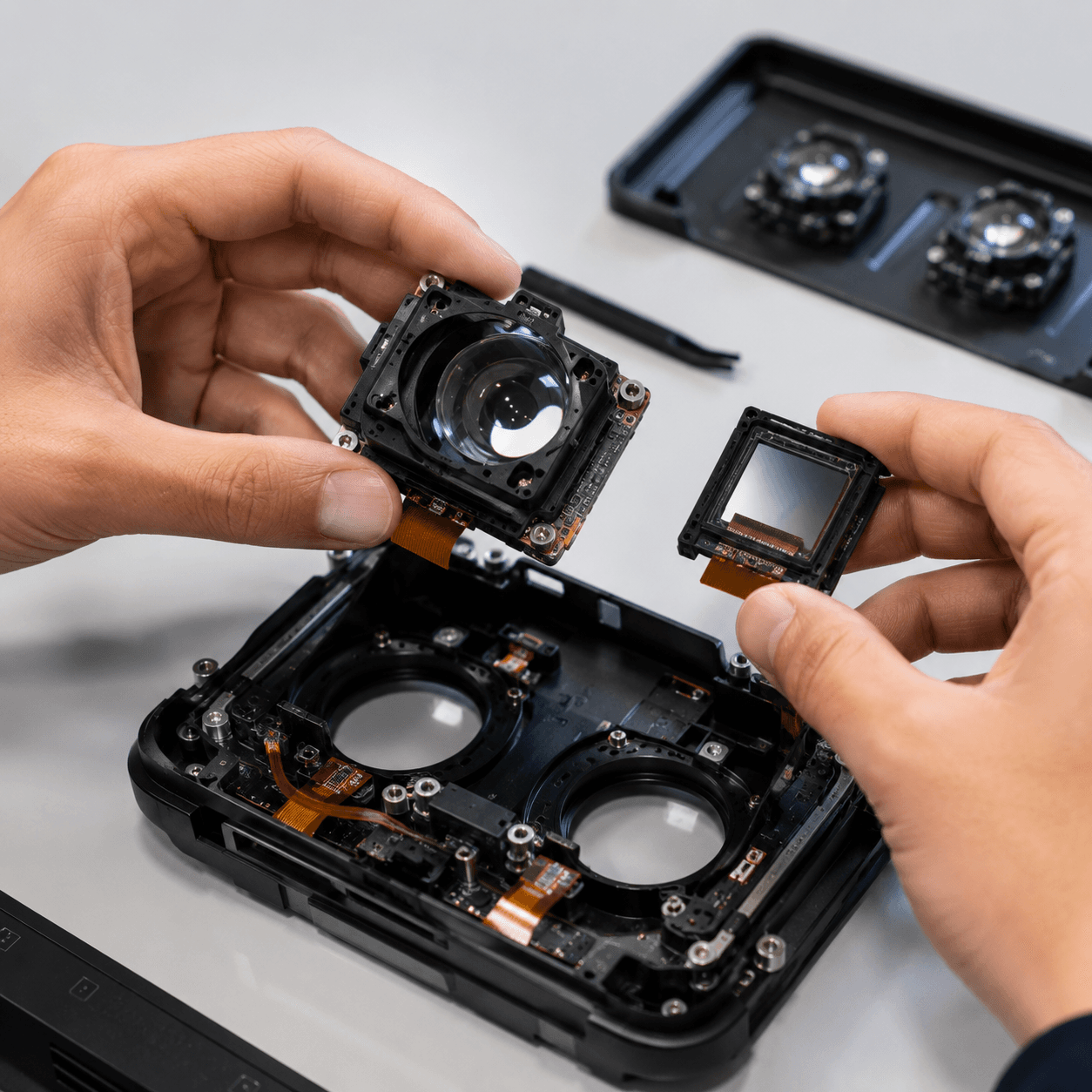
Pico founder Zhou Hongwei stepped down on July 24, with ByteDance replacing him with Li Xiaokai, an optoelectronics doctorate who has run the company’s displays, chips, and perception stack since 2021, months ahead of the company’s Project Swan headset launch.
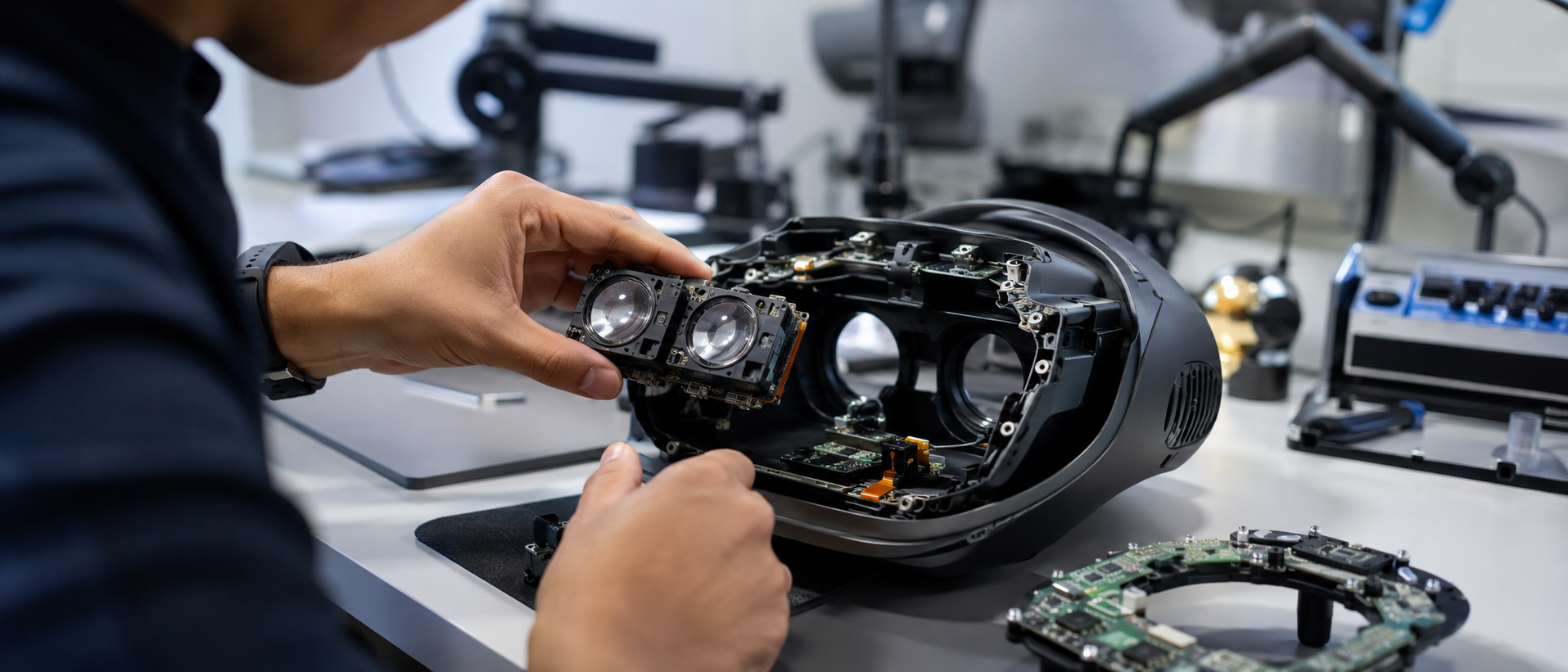
A founder stepping down is usually read as a warning sign, but the specific circumstances of Pico’s leadership change tell a genuinely different story worth unpacking for anyone evaluating this platform as a hardware partner. This blog explains why replacing a founder with the executive who has run the company’s actual technical stack since 2021 is a continuity signal rather than a retreat, and what that distinction means for businesses weighing Pico’s upcoming Project Swan headset against competitors like Samsung’s Galaxy XR or Valve’s still-unpriced Steam Frame. It opens by explaining why leadership transitions at hardware companies deserve real scrutiny, since founder departures at XR startups have frequently preceded funding trouble, strategic drift, or outright company failure, a pattern anyone evaluating vendor stability should already be watching for. The piece walks through why this specific transition reads differently, noting that Li Xiaokai’s background running displays, chips, and perception systems, the core technical components that actually determine whether a headset launch succeeds, suggests ByteDance is doubling down on execution quality ahead of a major product launch rather than signaling internal instability. It covers why timing matters so much here, arguing that a leadership change happening months before rather than immediately after a flagship launch gives the new leadership a real runway to shape the product rather than inheriting a launch already locked in by someone else’s decisions.
A section will address what this means practically for businesses evaluating Android XR-adjacent hardware platforms for enterprise deployment, covering how backing from a company with ByteDance’s resources and this kind of deliberate technical leadership positioning affects long-term platform confidence compared to smaller, less-resourced XR hardware makers. The blog also touches on the broader pattern this fits into across the XR hardware industry, where consolidation and leadership shifts are increasingly common as the sector matures past its early startup phase, and reading these transitions accurately, rather than reflexively treating every change as bad news, is a genuinely useful skill for anyone selecting a long-term technology partner. Pico Project Swan, XR hardware leadership transitions, and Android XR platform stability are the throughlines here, treating a leadership change as a case study in how to read vendor stability signals correctly.