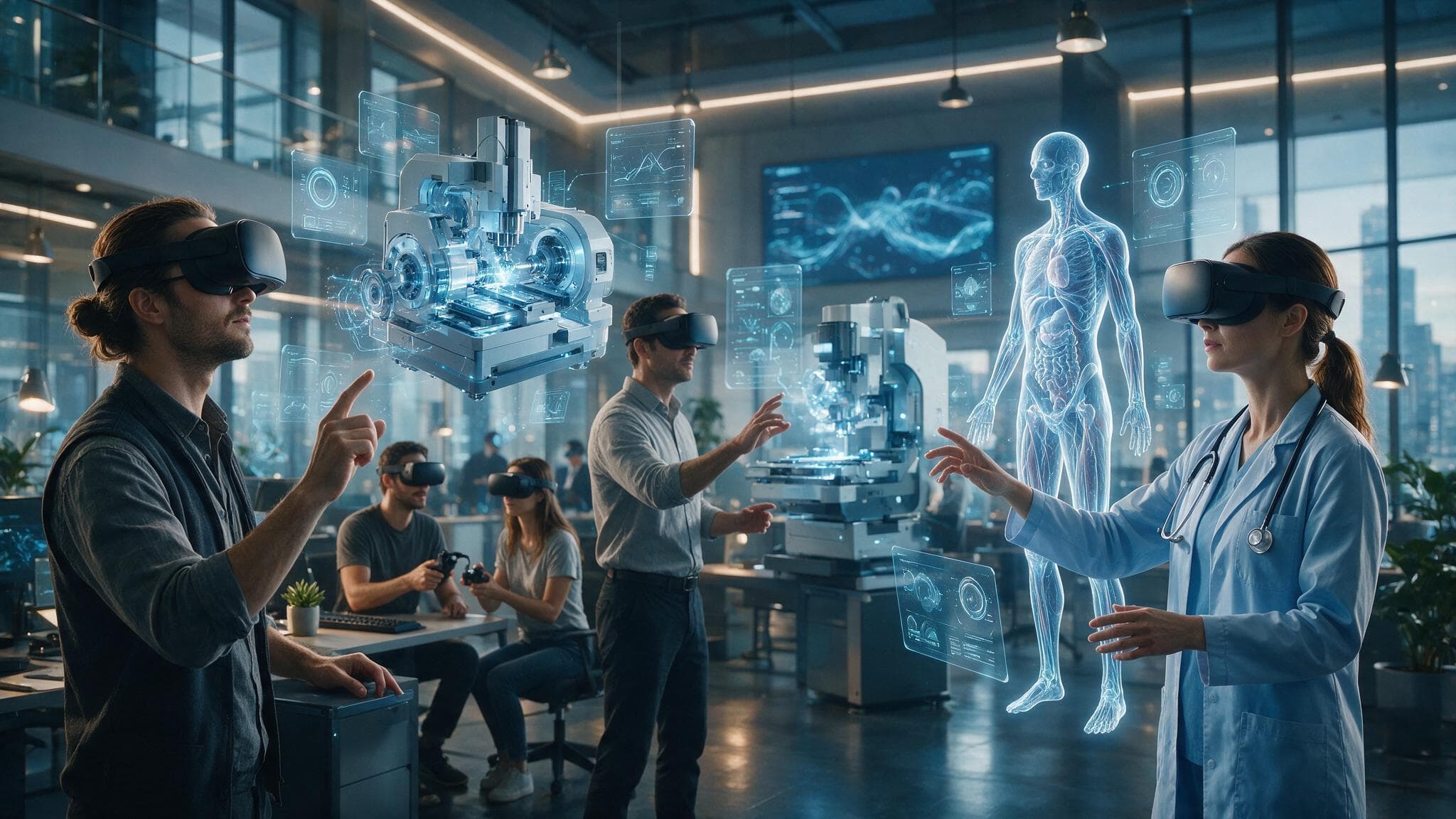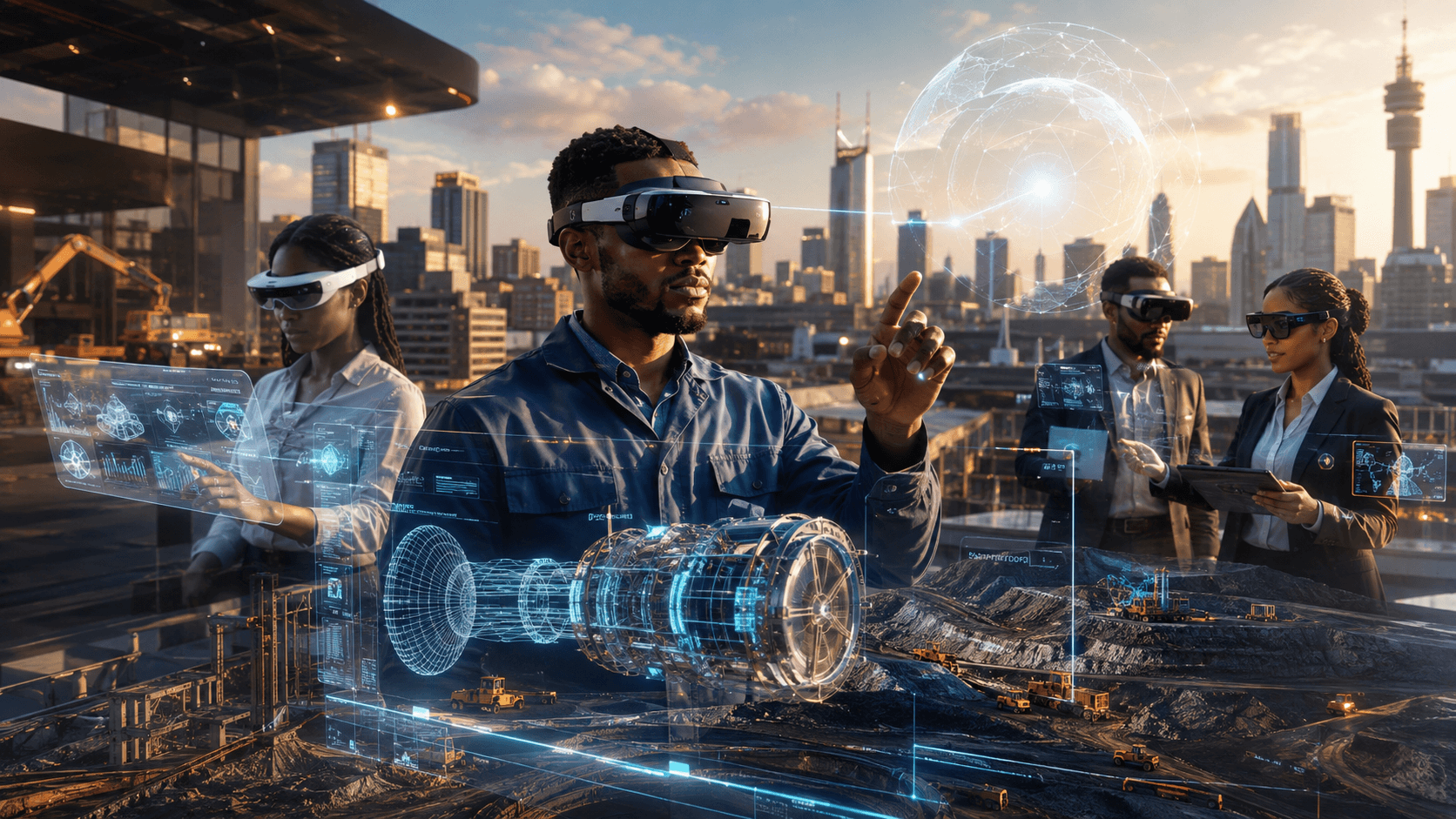


PwC’s UK analysis identified 1,550 unique public examples of XR business usage, finding 66% of organizations using VR over AR, with engineering and manufacturing leading adoption.
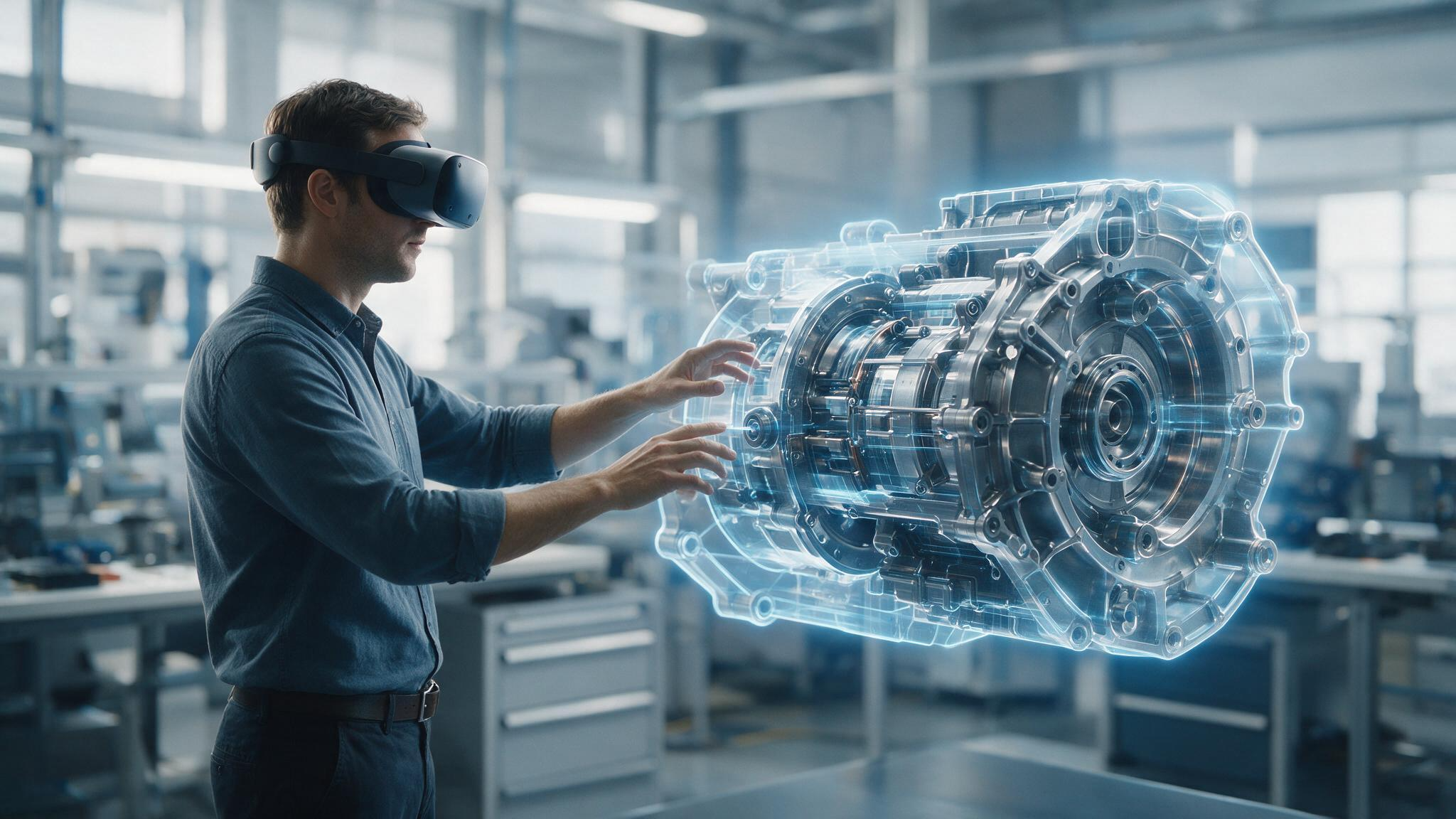
Market projections and adoption surveys are useful, but 1,550 unique, publicly documented, real-world examples of businesses actually using XR is a genuinely different and more credible kind of evidence, since it reflects confirmed deployment rather than stated intent or future planning. This blog breaks down what PwC’s analysis actually reveals about where genuine enterprise XR adoption is concentrated today, and why the specific finding that engineering and manufacturing lead adoption, with 66% of organizations favoring VR over AR, matters for businesses benchmarking their own XR strategy against real market behavior. It opens by explaining why a dataset built from confirmed public examples carries more weight than typical adoption surveys, since survey responses about planned or intended technology adoption often overstate genuine deployment, while a documented count of actual, verifiable business use cases reflects what organizations have genuinely built and deployed rather than what they say they’re considering. The piece walks through why engineering and manufacturing leading adoption makes structural sense given the broader pattern this conversation has returned to repeatedly, that these industries combine high task complexity, meaningful consequences for errors, and genuinely spatial problems, design review, assembly training, equipment operation, that XR addresses more directly than industries with less inherently spatial or high-stakes daily work. It covers why the 66% VR-over-AR preference matters as a genuinely useful data point for businesses currently deciding where to prioritize their own XR investment, suggesting that fully immersive training and simulation environments currently deliver more clearly demonstrated enterprise value than AR overlay applications, even as AR and smart glasses continue gaining ground in specific field service and hands-free use cases.
A section will address what this data means practically for businesses in industries outside the current leaders, arguing that engineering and manufacturing’s lead reflects where XR’s value proposition is currently clearest and most measurable, not where the technology’s value is limited to, meaning businesses in other sectors can still find genuine value by identifying their own equivalent high-complexity, high-consequence spatial problems rather than assuming XR only works for industrial use cases. The blog also touches on why this kind of grounded, evidence-based market data matters for internal business cases, since citing a documented count of 1,550 real deployments carries considerably more persuasive weight in an internal budget conversation than a general market growth projection. Enterprise XR adoption data, VR versus AR business usage, and manufacturing and engineering XR leadership are the throughlines here, breaking down a genuinely substantial dataset into useful benchmarking context for any business evaluating its own XR strategy.