
Europe’s largest airline group has turned a VR pilot into a long-term commitment. In a release distributed on October 29, Visionary Training Resources (VTR) announced that Ryanair has signed a five-year agreement to keep using FlightDeckToGo, its virtual reality B737NG flight deck trainer, in cadet training. The deal followed a six-month evaluation, and the results make it worth a closer look.
The challenge
Simulator time is expensive and limited. Cadets who arrive unfamiliar with the flight deck layout or the order of each flow spend valuable sessions learning basics instead of building skills.
The solution
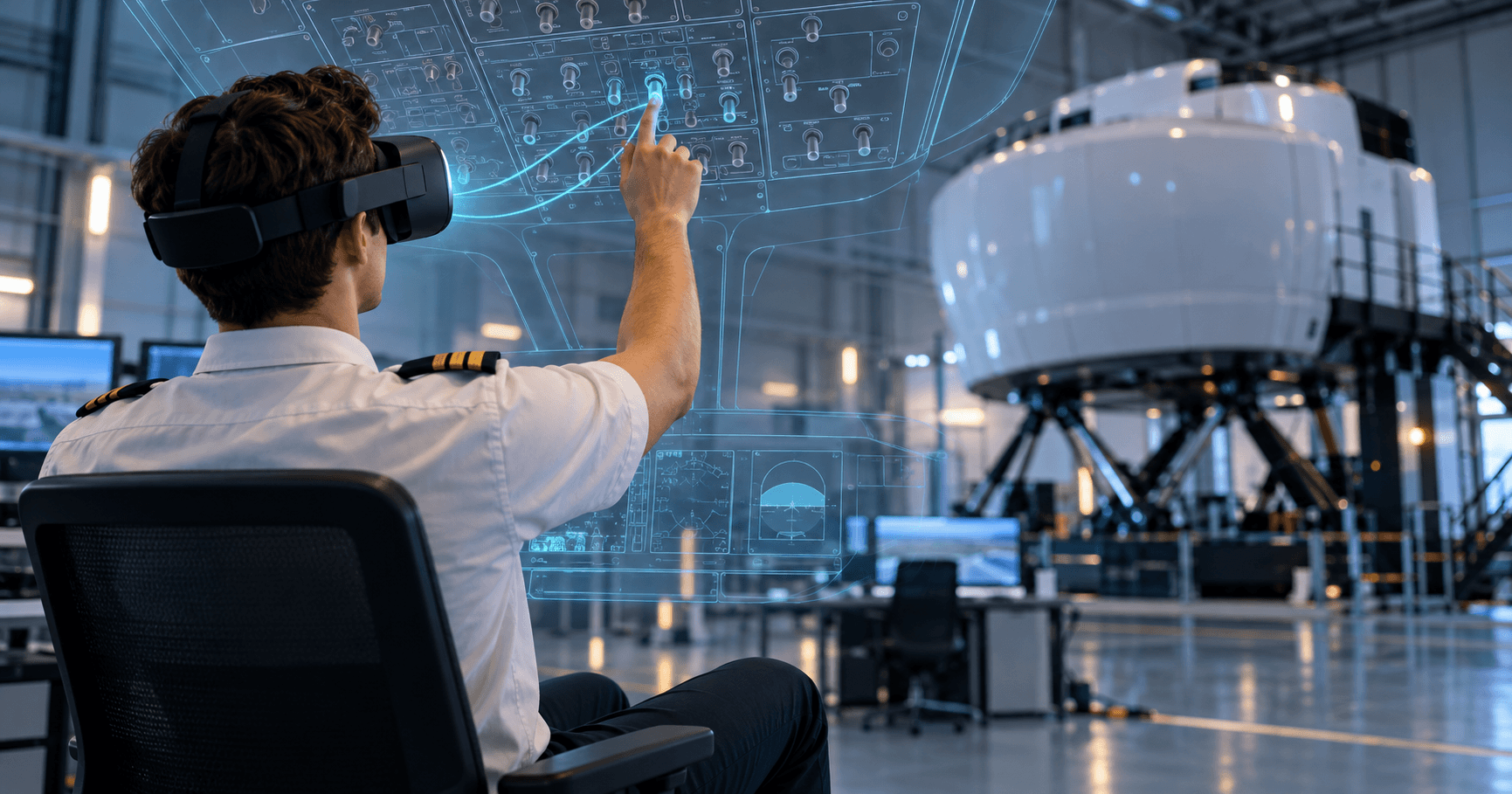
FlightDeckToGo puts trainees in the first officer’s seat of an interactive B737NG flight deck on a VR headset. Each flow is taught in three stages: a guided Learn mode with voiceover, text and flow lines; a Practice mode with hints; and a Validate mode where trainees perform the flow unaided. Trainees move switches with their own hands and watch the aircraft respond.
The results
Ryanair compared simulator data from 581 cadets who trained with VR against 420 who trained before it was introduced, across three flight training device sessions. The VR group showed statistically significant improvement in eight of nine rated core competencies, led by Flight Path Management and Application of Procedures, and instructor grades shifted from good to very good. In surveys, 111 cadets rated the trainer 9.2 out of 10 for immersiveness, and 17 instructors rated it 8.9 for procedural reinforcement.
Ryanair’s Head of Training, Captain Paul Kelly, said cadets now reach the simulator already understanding the layout and the sequence of each flow.
What other industries can learn
Measure transfer, not just enjoyment. Ryanair judged VR by performance in the next, higher-stakes environment.
Compare cohorts. A before-and-after group comparison gives leadership evidence it can trust.
Use VR as preparation, not replacement. VR handled familiarisation so expensive simulator time could focus on skills.
Structure the learning. Guided, practice and unaided stages turn a 3D model into a structured teaching method.
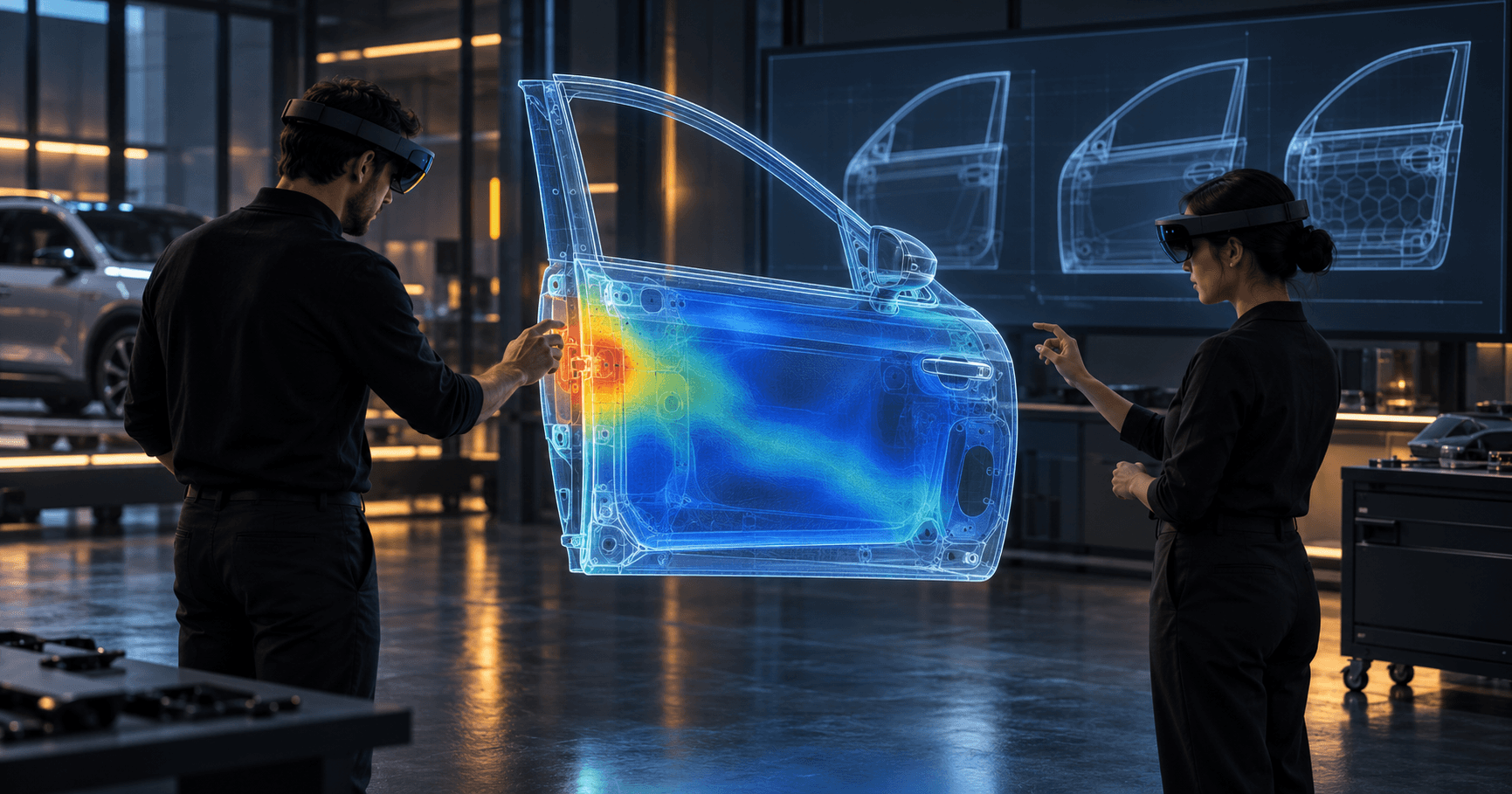
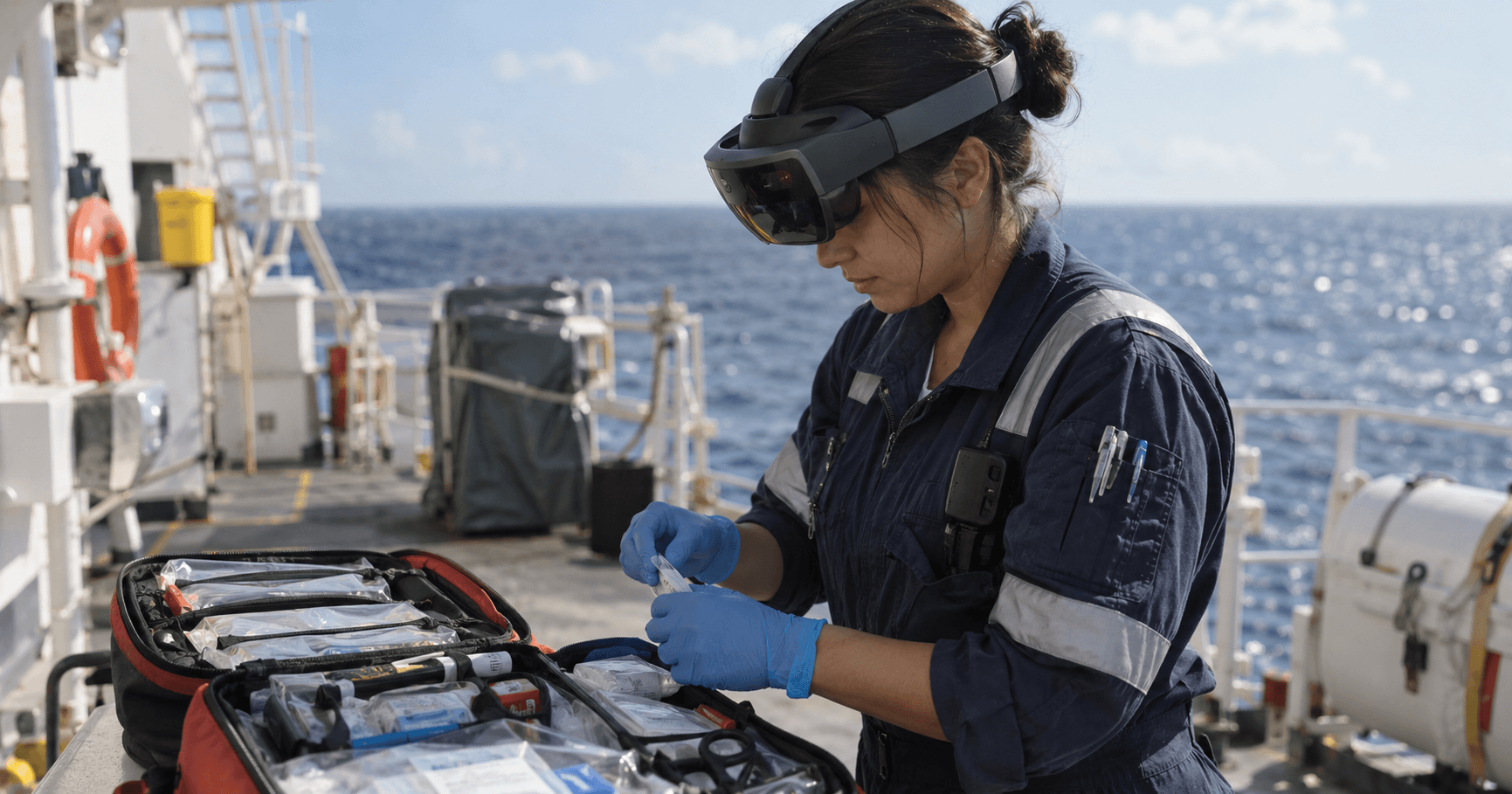
The same pattern applies to factory equipment, medical devices, energy plants and retail operations: anywhere costly real-world practice depends on people arriving prepared.
At PointZero Immersive Lab, we design immersive training around measurable outcomes, building VR modules that prepare teams for real equipment and proving the impact with data your leadership can act on.