

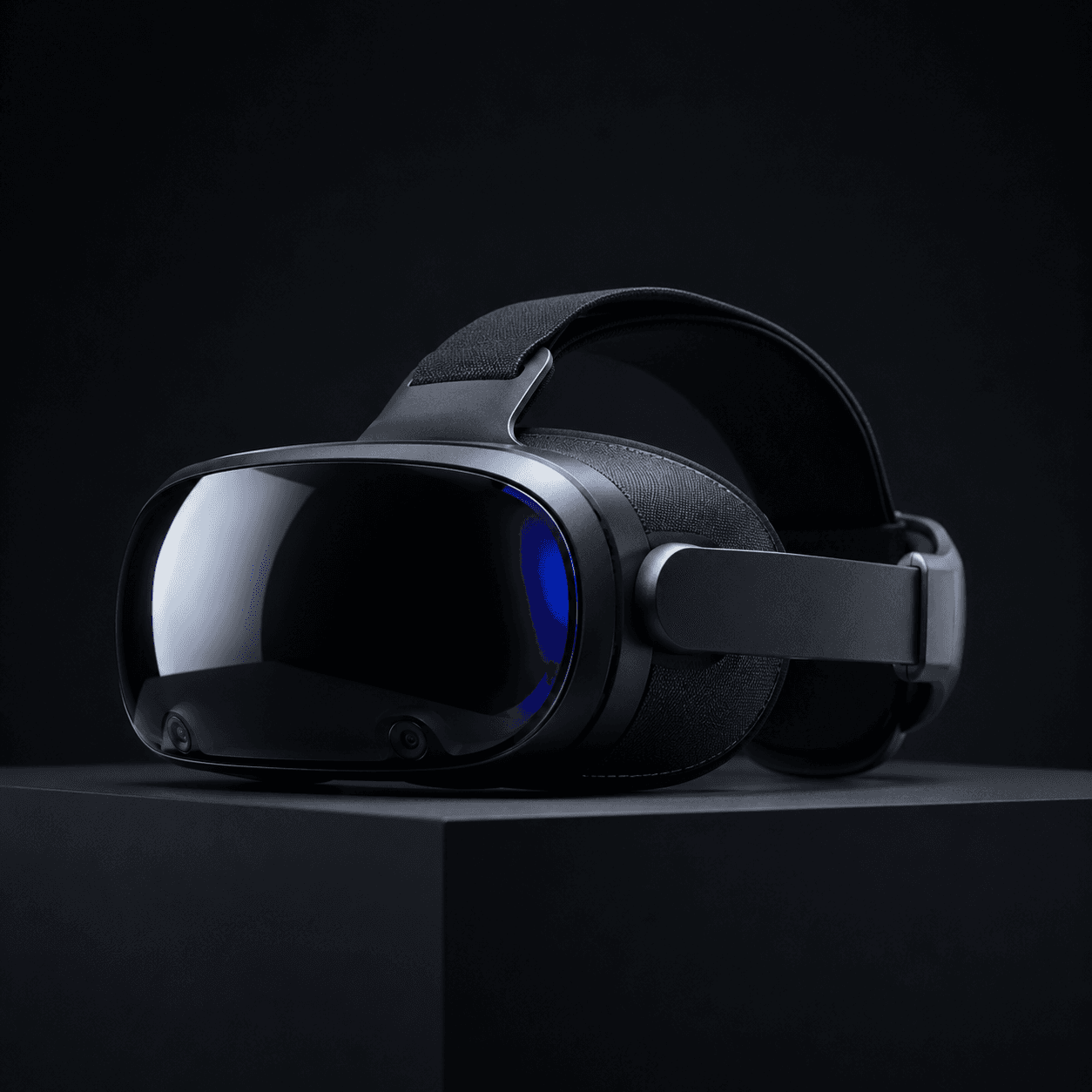
Early hands-on reviews of the Samsung Galaxy XR, a premium standalone headset with 4K Micro-OLED displays, are testing whether it can serve as a genuine high-end alternative to Valve’s still-unreleased Steam Frame, evaluating image quality, performance, comfort, and its Android XR software platform.
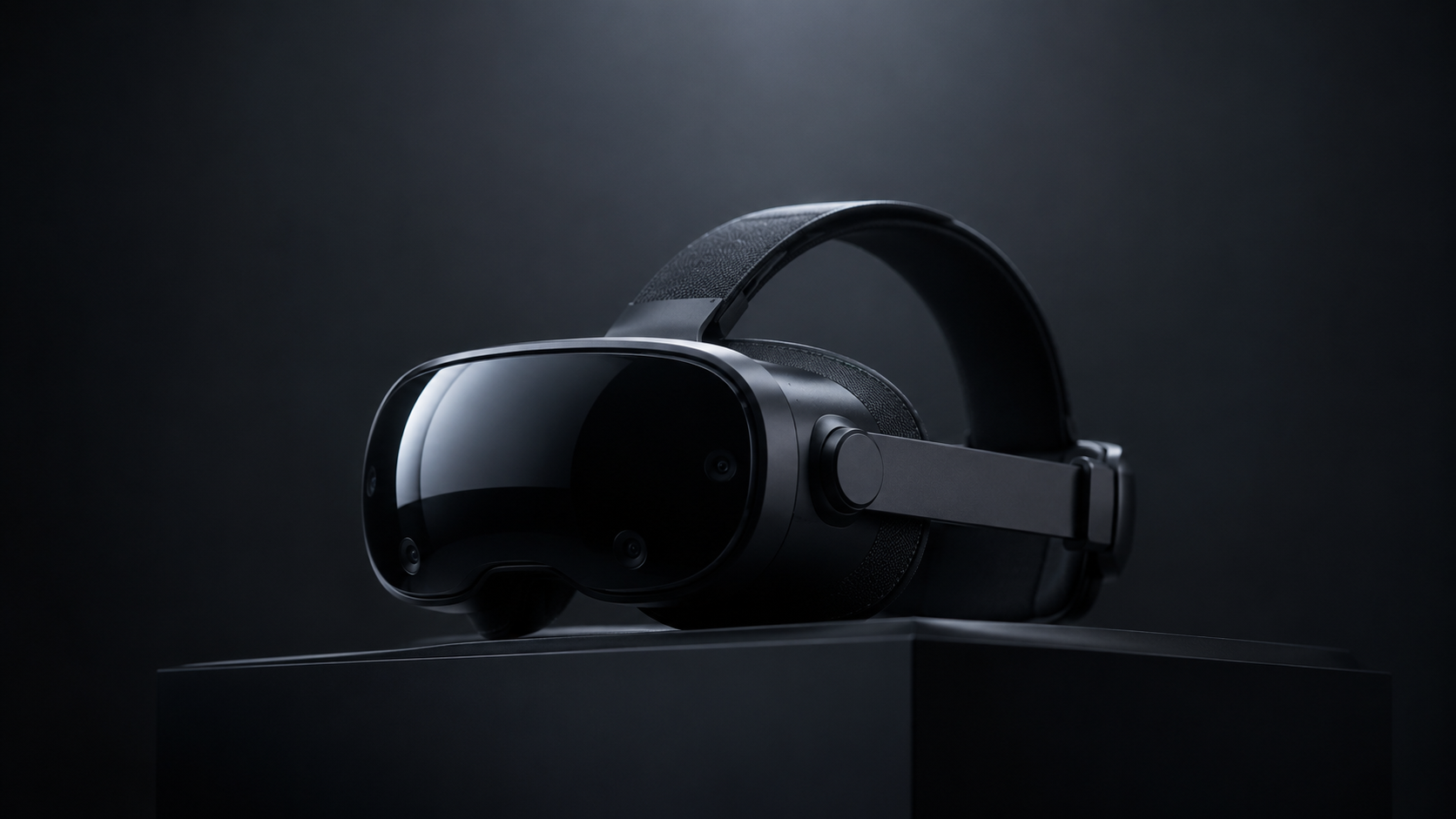
With Valve’s long-rumored Steam Frame headset still not officially priced or dated, Samsung’s Galaxy XR has stepped into an interesting gap, a premium standalone headset with genuinely high-end specifications that reviewers are now testing specifically against the question of whether it can hold that high-end position on its own merits. This blog uses the early wave of Galaxy XR hands-on coverage to unpack what a premium standalone headset actually needs to deliver in 2026 to be taken seriously by enterprise and prosumer buyers, not just gaming enthusiasts. It opens by covering the core hardware claim driving interest in this device, stunning 4K Micro-OLED displays, and explains why display resolution specifically remains one of the most immediately noticeable quality differentiators between a headset that feels genuinely premium and one that merely claims to be. The piece walks through the other dimensions serious reviewers are testing beyond raw display specs, including comfort for extended wear sessions, a factor that determines whether a headset actually gets used for real work rather than short demos, and overall performance consistency, since a headset with excellent specs on paper can still disappoint if software optimization or thermal management undermines the experience in practice. It covers why the Android XR software platform running underneath Galaxy XR matters as much as the hardware itself, since a headset’s long-term value depends heavily on its app ecosystem and ongoing software support, areas where Samsung’s backing by an established software platform gives it a meaningfully different position than smaller independent hardware makers.
A section will address what this comparison to Valve’s still-unreleased Steam Frame reveals about the current state of the premium headset market, arguing that a genuinely strong alternative arriving before Valve’s own device ships changes the competitive calculus significantly, since early movers in a hardware category tend to capture disproportionate enterprise attention and developer support. The blog also touches on practical purchasing considerations for businesses evaluating premium headsets specifically for professional visualization, training, or design review use cases, where display fidelity and comfort during extended sessions matter more than gaming-oriented features. Premium standalone VR headsets, Android XR platform, and enterprise headset comparison are the throughlines here, using an early review cycle to give business buyers a genuinely useful evaluation framework rather than just a spec sheet summary.