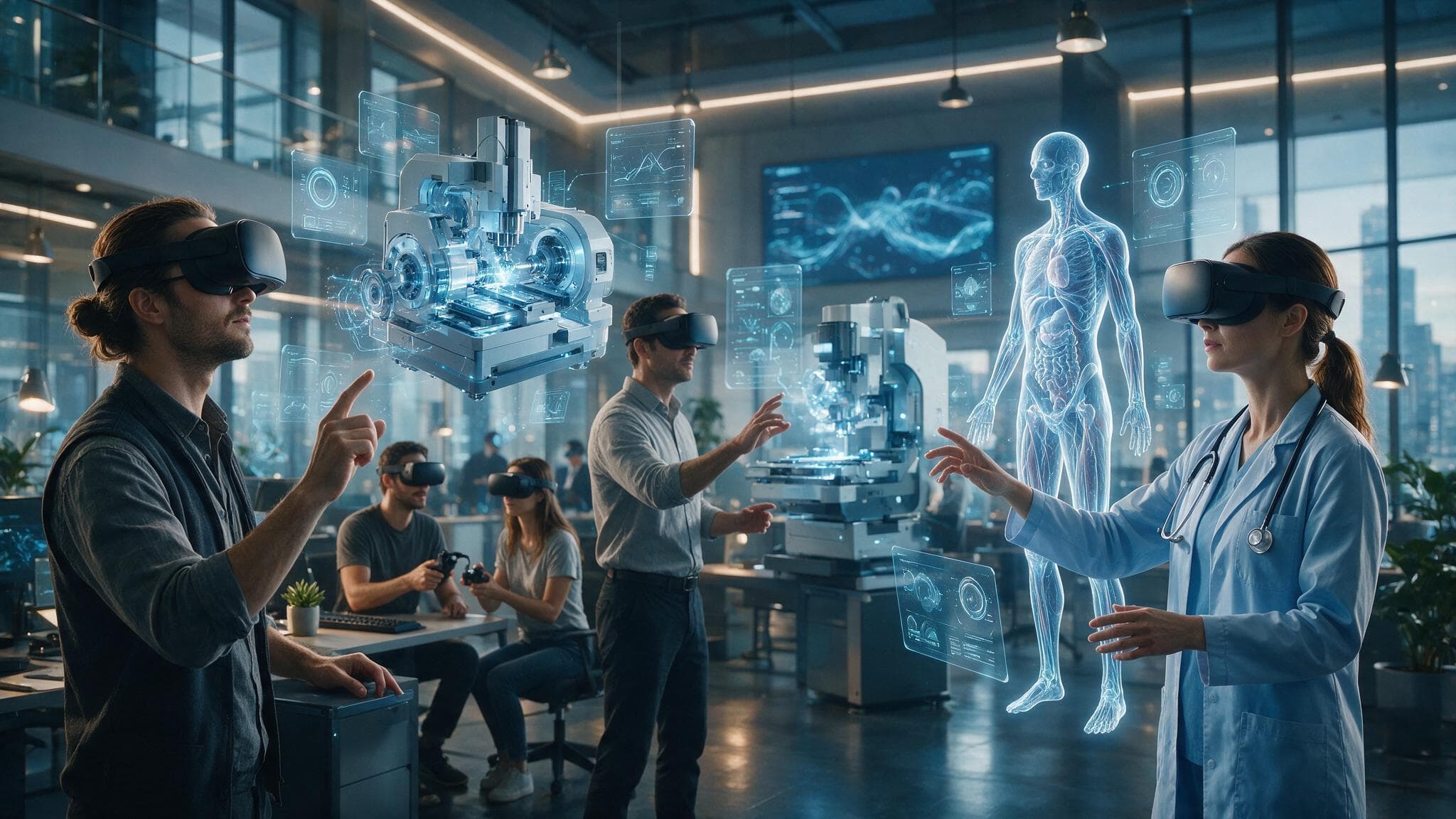

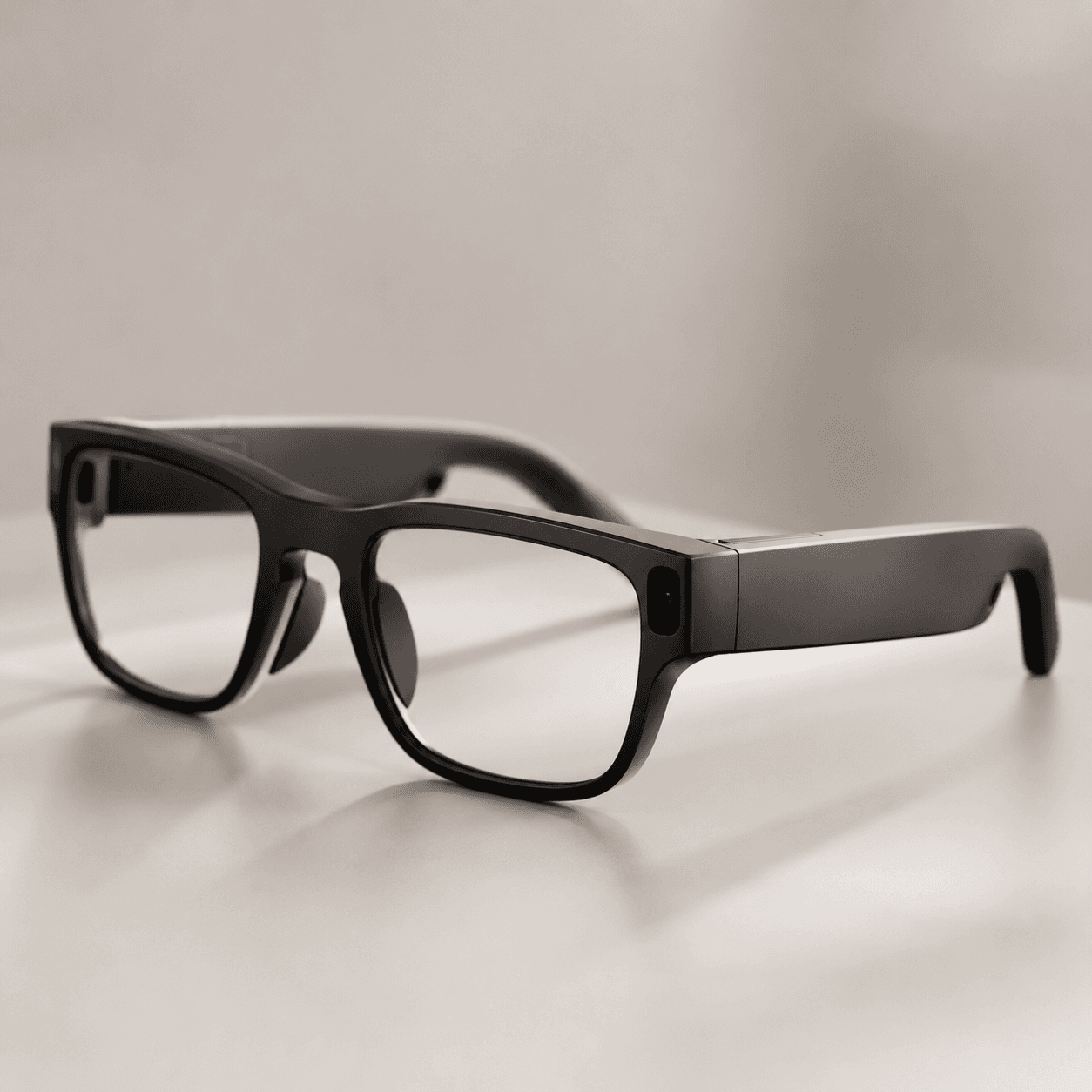
At its Unpacked event, Samsung unveiled new details about its Android XR and Gemini-powered smart glasses, made in partnership with eyewear brands Gentle Monster and Warby Parker, featuring 9-hour battery life, a confirmed fall 2026 launch, and a “premium” positioning that analysts suggest could push pricing to $600 to $700.
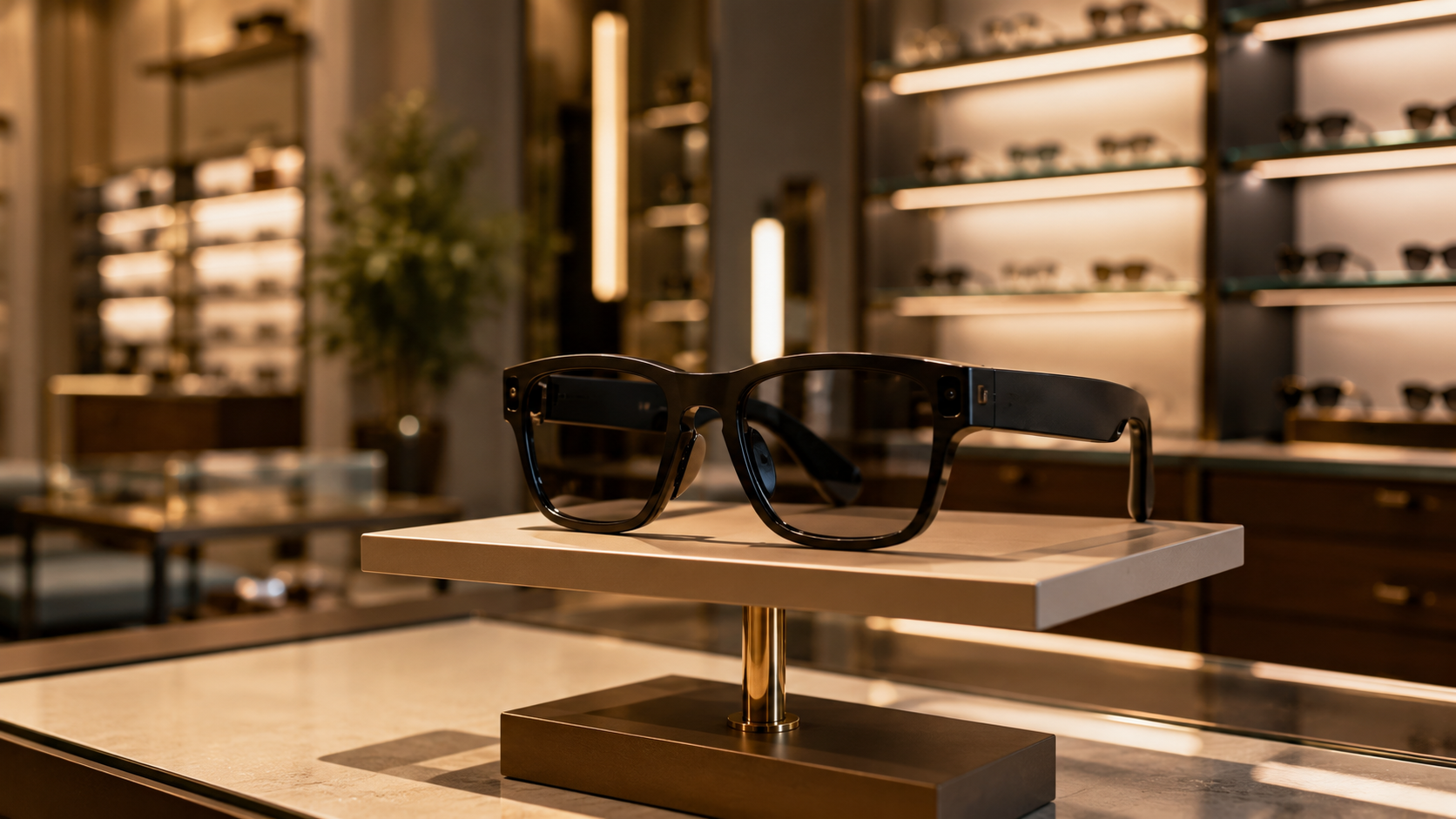
Samsung’s newly detailed smart glasses reveal something more interesting than another spec sheet, a deliberate strategic choice to lead with fashion credibility rather than pure technology positioning, pairing with Korean eyewear label Gentle Monster and established optical retailer Warby Parker rather than launching under Samsung’s tech branding alone. This blog explores why that partnership structure matters as much as the underlying Android XR and Gemini technology, and what it signals about the maturing smart glasses market. It opens by explaining the core challenge every camera-and-AI-equipped smart glasses maker faces, that the device has to work as ordinary, wearable eyewear first and a technology product second, since people will not wear something they consider unattractive no matter how capable the underlying AI is, a lesson Ray-Ban Meta’s success has already proven decisively. The piece walks through what Samsung revealed about the actual product, two new frame designs, one from each partner brand, a 9-hour battery life that reportedly beats its closest competition, and AI features focused on practical daily use cases like summarizing content on a whiteboard or taking meeting notes, positioning the device around genuine utility rather than novelty. It covers the pricing concern raised by industry analysts directly, since a premium positioning reportedly pointing toward $600 to $700 sits meaningfully above Ray-Ban Meta’s pricing, and the piece explores why that gap is a real commercial risk, since consumers have shown limited willingness to pay a significant premium for incremental improvements over an already well-regarded, more affordable competitor, unless Samsung can identify a genuinely differentiated use case Meta’s glasses cannot match.
A section will address what Gentle Monster’s stated plans to open more than 200 stores across Europe and North America over the next five years mean for smart glasses distribution strategy, arguing that physical retail presence, letting people actually try glasses on before buying, may end up mattering as much as any software feature in determining whether premium smart glasses succeed with mainstream buyers. The blog also touches on what this fashion-first partnership model means for other hardware categories considering premium positioning, suggesting that credibility borrowed from an established, trusted brand in an adjacent category can meaningfully shift how a new technology product is perceived, a lesson potentially relevant well beyond smart glasses alone. Smart glasses fashion partnerships, Android XR hardware strategy, and premium wearable pricing are the throughlines here, treating a product reveal as a genuine case study in hardware positioning strategy.