
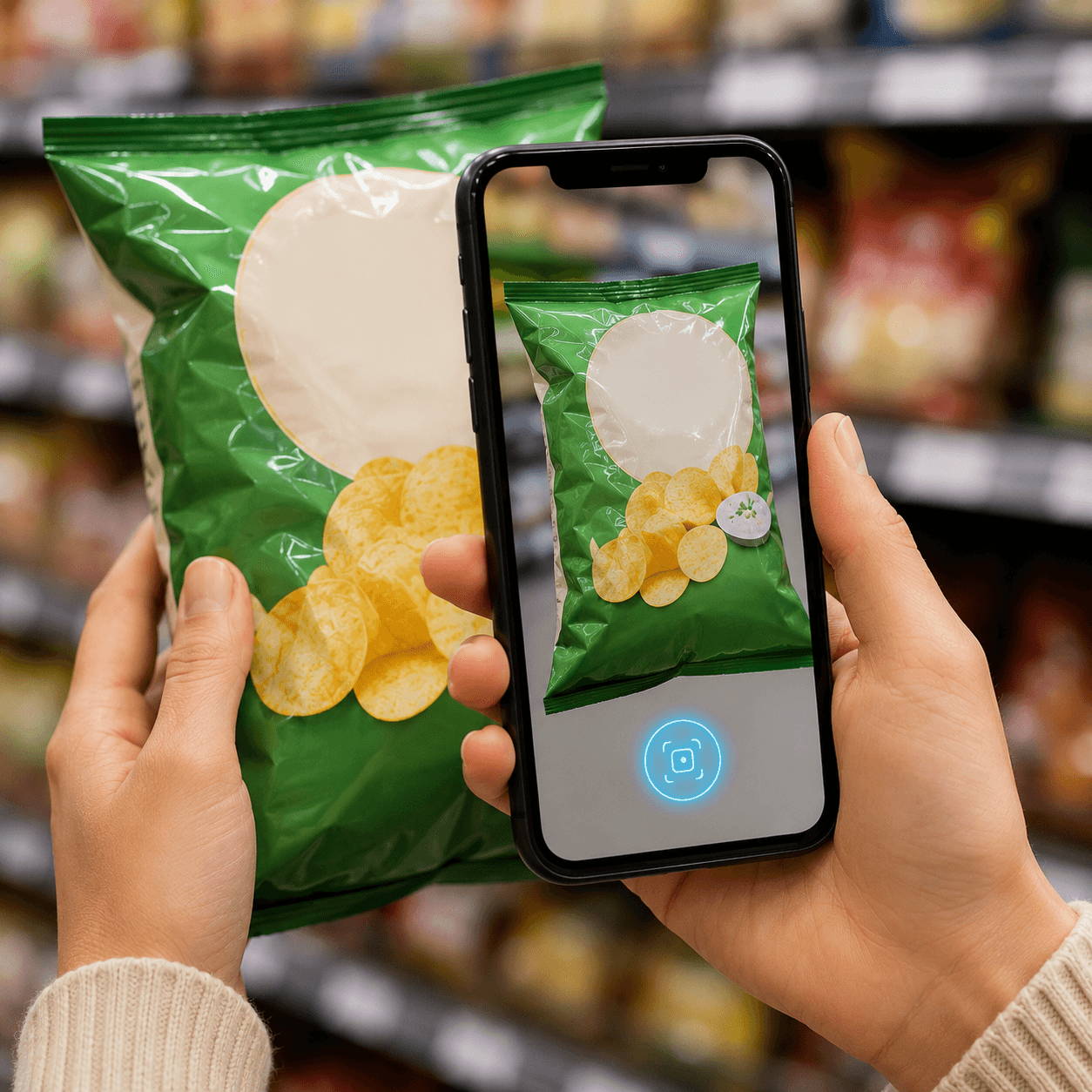
Scanning product packaging can unlock videos, tutorials, or brand stories, adding context and emotional value to purchases directly at the shelf or in-hand moment, turning static consumer packaged goods packaging into an interactive touchpoint without requiring any change to the physical product itself.
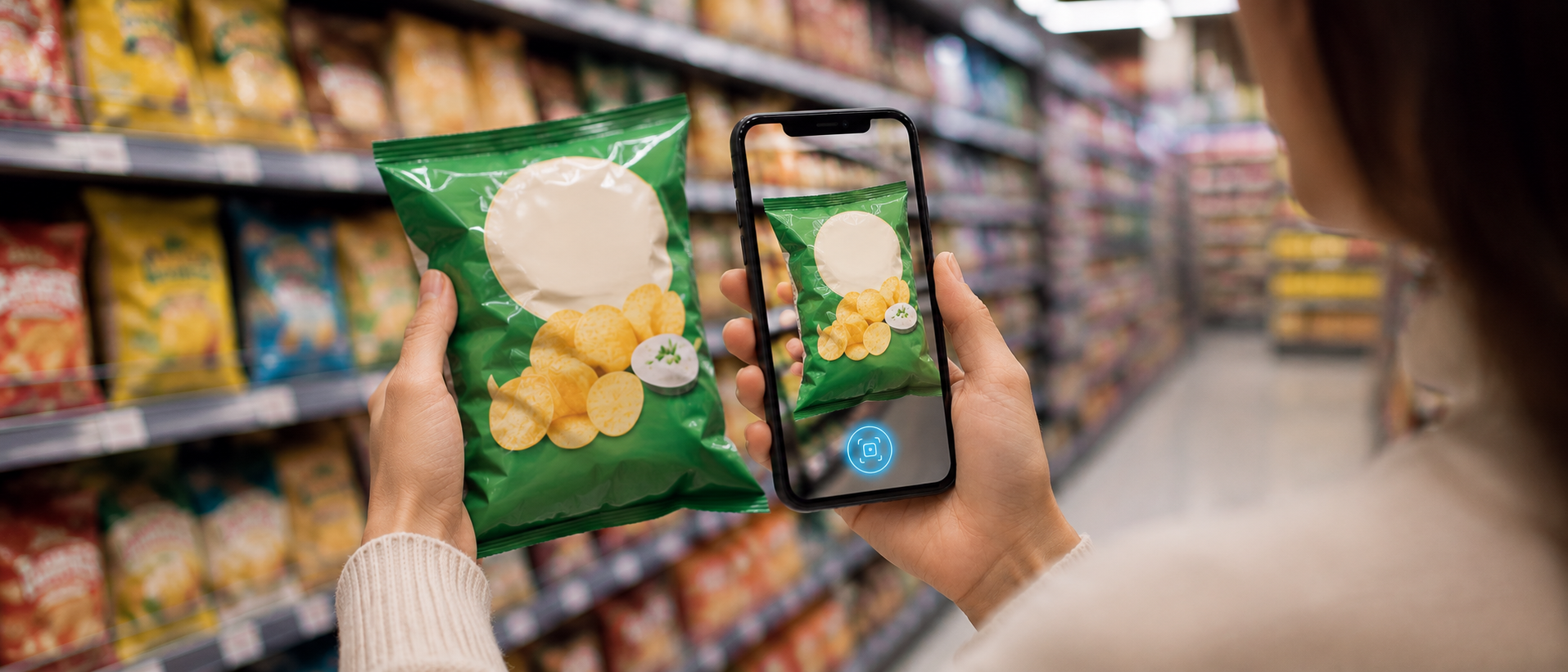
Product packaging has always carried a genuine physical space constraint, only so much information, story, and brand personality can fit onto a label or box before it becomes cluttered and unreadable, and AR-enabled packaging removes that constraint entirely by turning a simple camera scan into a gateway for unlimited digital content layered directly onto the physical product a customer is already holding. This blog explores why this specific application matters for consumer packaged goods brands specifically, and what makes the packaging-as-portal approach different from other retail AR use cases. It opens by explaining the core limitation this technology addresses, that a product label can communicate basic facts, ingredients, usage instructions, brand name, but has essentially no room to tell a deeper brand story, demonstrate proper product use, or build the kind of emotional connection that drives repeat purchase and loyalty. The piece walks through what scanning AR-enabled packaging specifically unlocks, covering videos, tutorials, and brand stories that appear the moment a customer points their phone at a product, whether that’s standing in a retail aisle deciding between competing products or already at home unboxing a purchase, extending the brand touchpoint well beyond the physical purchase moment itself. It covers why this application delivers genuine value at two distinct moments in the customer journey, at the shelf, where a compelling brand story or product demonstration can be the deciding factor between two similar competing products, and after purchase, where usage tutorials and deeper brand content build the kind of ongoing engagement that drives repeat purchases and brand loyalty rather than a single, forgettable transaction.
A section will address why this approach carries a genuinely low barrier to entry compared to other retail AR applications, since implementing AR packaging typically requires no change to the physical product or packaging design itself, only adding a scannable trigger and building the associated digital content, making it a meaningfully more accessible entry point into AR marketing for CPG brands not yet ready to invest in more complex try-on or visualization technology. The blog also touches on the data advantage this creates for brands, since every package scan generates genuine engagement data about which products, in which locations, are driving the most customer interest, giving CPG marketing teams a direct engagement signal that traditional packaging alone could never provide. AR packaging technology, CPG brand storytelling, and shelf-level customer engagement are the throughlines here, explaining why turning packaging into an interactive touchpoint has become an accessible, high-value entry point into retail AR.