
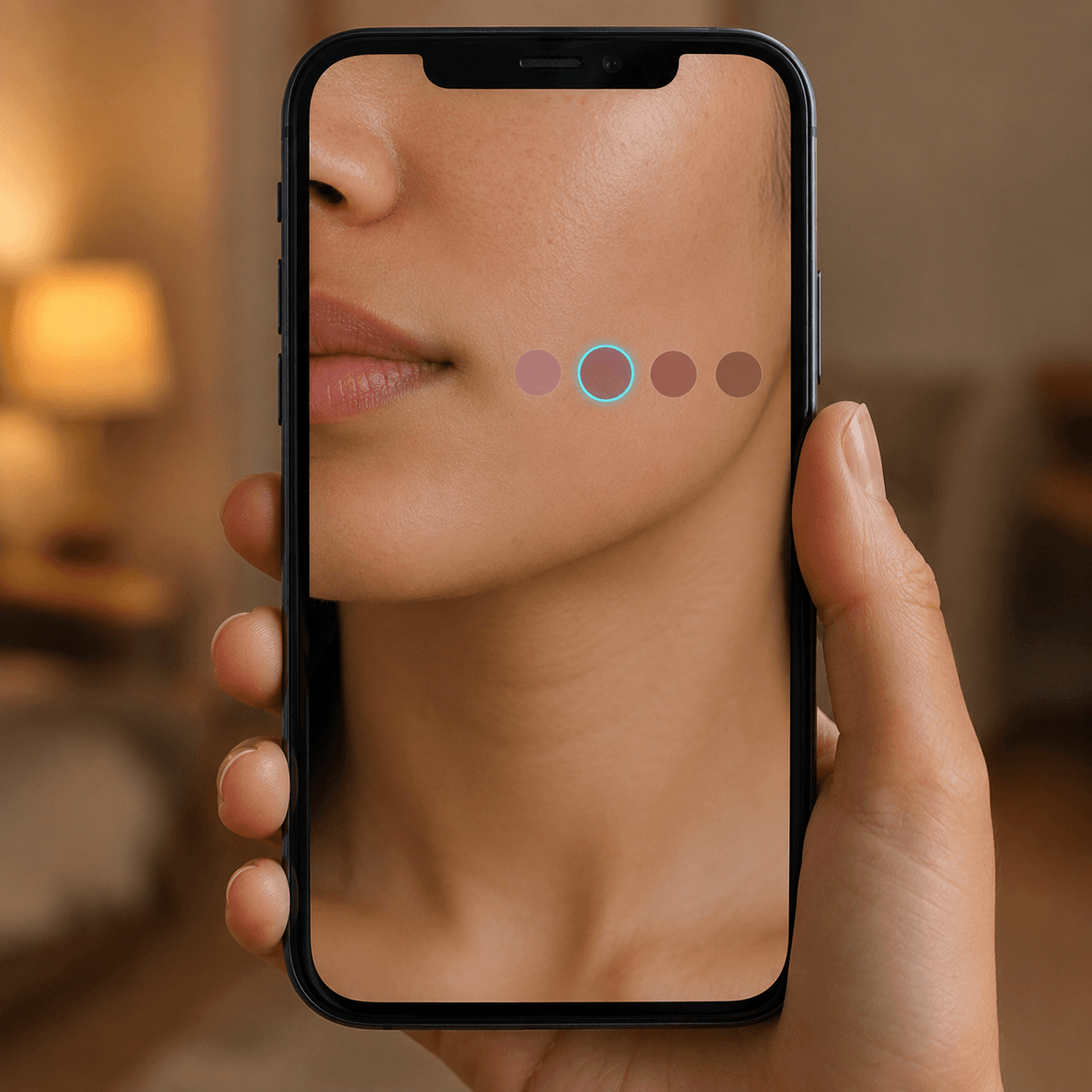
Apps from brands like Sephora and L’Oréal let customers test multiple makeup shades virtually, using AR to superimpose product colors and finishes directly onto a customer’s own face in real time, reducing purchase uncertainty in a category historically defined by high return rates and in-store testing hygiene concerns.
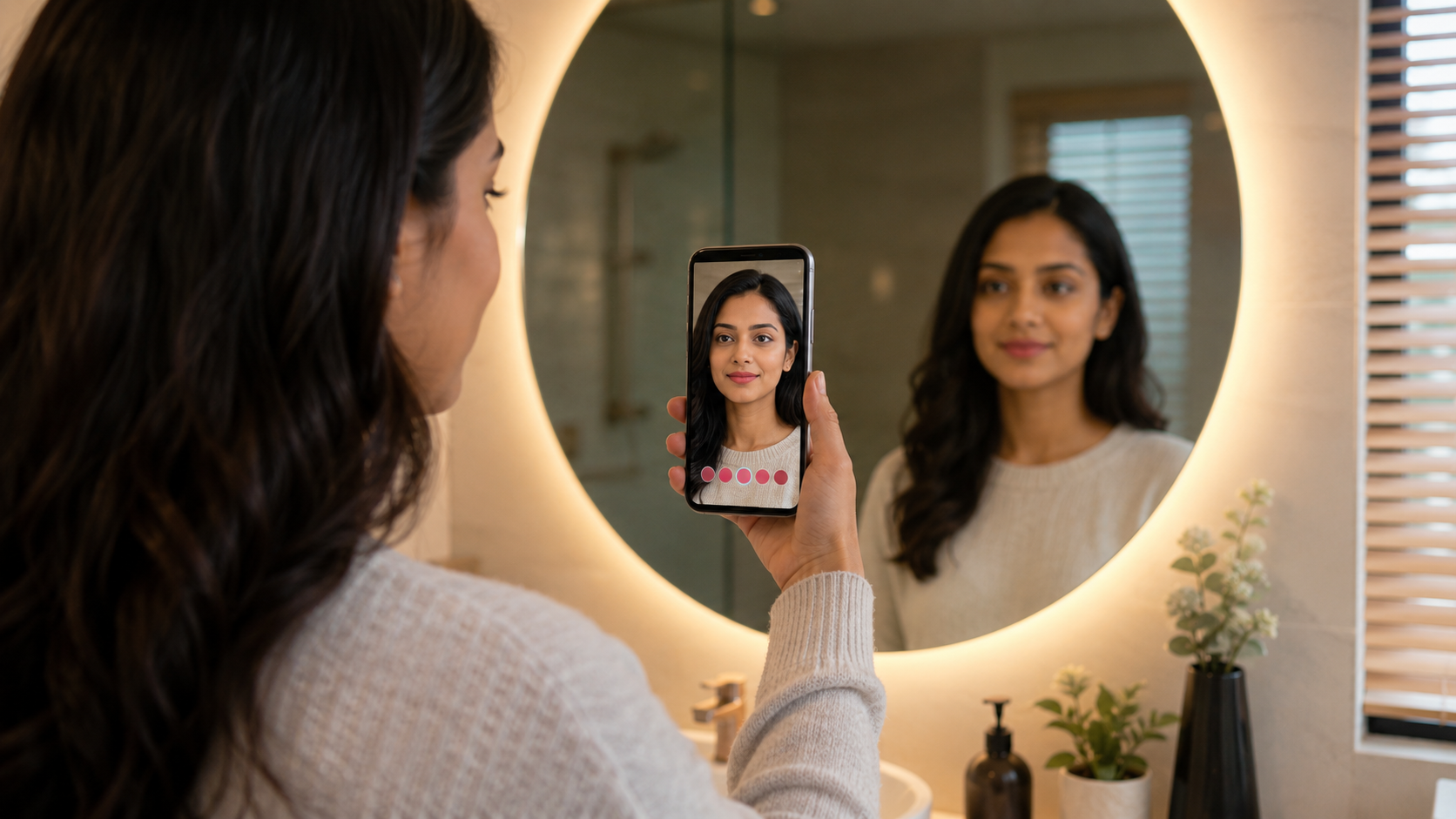
Beauty retail has always faced a uniquely difficult version of the online shopping trust problem, since a lipstick shade or foundation tone that looks perfect on a product photo or influencer’s skin tone can look completely different on an individual customer’s own face, and Sephora and L’Oréal’s AR-powered virtual try-on apps solve that exact mismatch by letting customers see products superimposed on their own live camera image rather than someone else’s. This blog breaks down why beauty specifically has become one of AR’s strongest retail categories, and what makes this application technically and commercially different from AR try-on in other product categories. It opens by explaining the specific trust gap this technology closes, that beauty purchase decisions depend heavily on how a product interacts with an individual’s unique skin tone, undertone, and facial features, variables that make generic product photography genuinely unreliable as a purchase guide regardless of how accurately the product itself is photographed. The piece walks through how AR virtual try-on technology specifically addresses this, using real-time facial mapping to accurately superimpose makeup colors and finishes directly onto a customer’s own face through their device camera, letting them compare multiple shades side by side in seconds, a testing process that would otherwise require physically applying and removing several products in a store. It covers why this application also solves a genuine hygiene and convenience problem beyond pure purchase confidence, since testing physical makeup samples in-store raises sanitary concerns many customers are increasingly uncomfortable with, while AR try-on eliminates that friction entirely while still delivering the core information a customer needs to make a confident purchase decision.
A section will address why beauty brands specifically benefit from this technology at scale, since a single AR try-on feature can effectively let a customer test an entire shade range in minutes, a task that would take considerably longer and require far more product waste through physical sampling, giving beauty retailers a genuine operational efficiency benefit alongside the customer-facing conversion improvement. The blog also touches on how this application extends into eyewear specifically, referencing how Warby Parker’s AR try-on matches glasses to a customer’s face shape with precision, demonstrating that the same underlying facial-mapping technology applies naturally across any product category worn directly on the face. Beauty AR technology, virtual makeup try-on, and facial-mapping retail applications are the throughlines here, explaining exactly why beauty has become one of AR retail’s most successful and widely adopted categories.