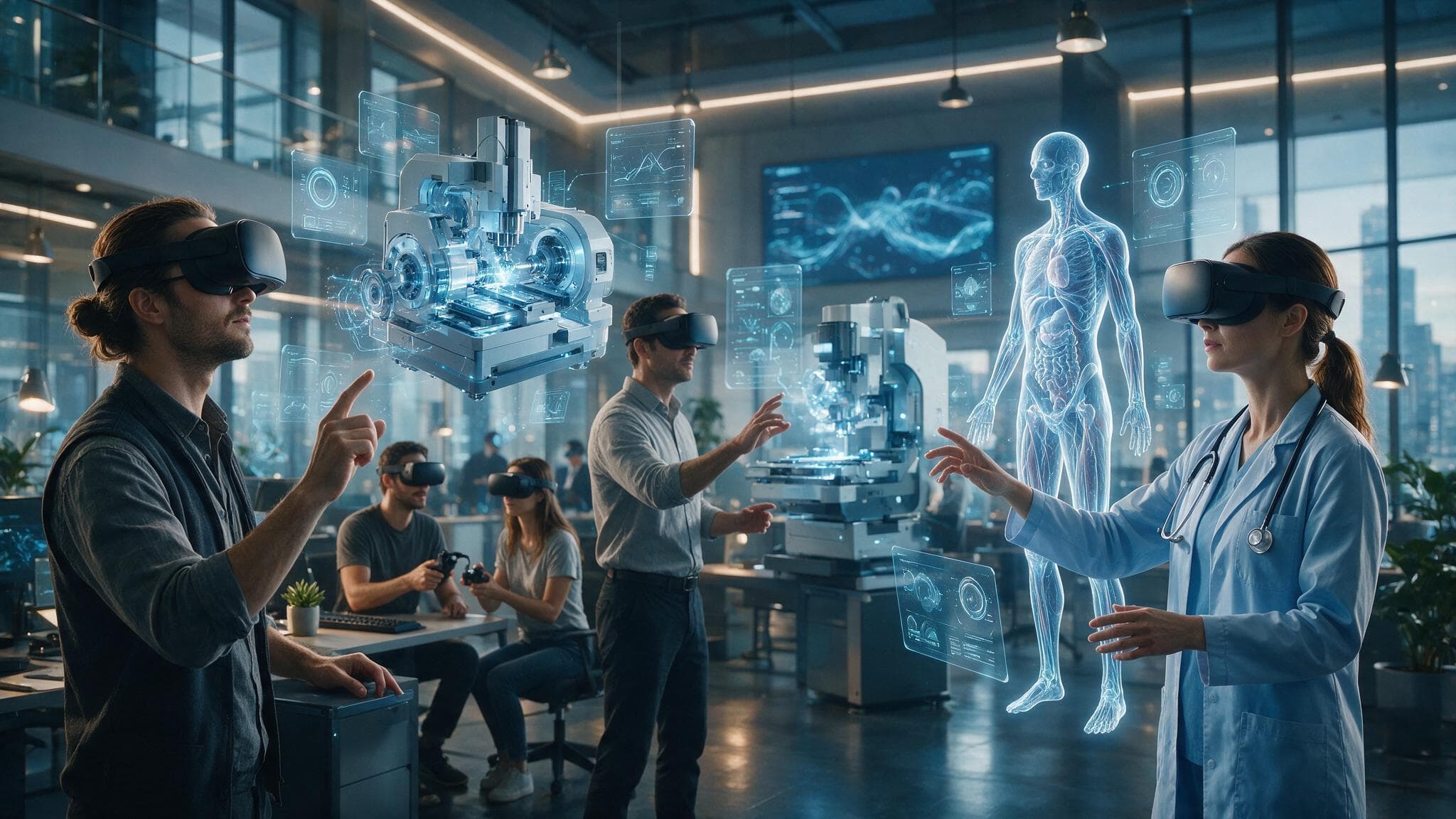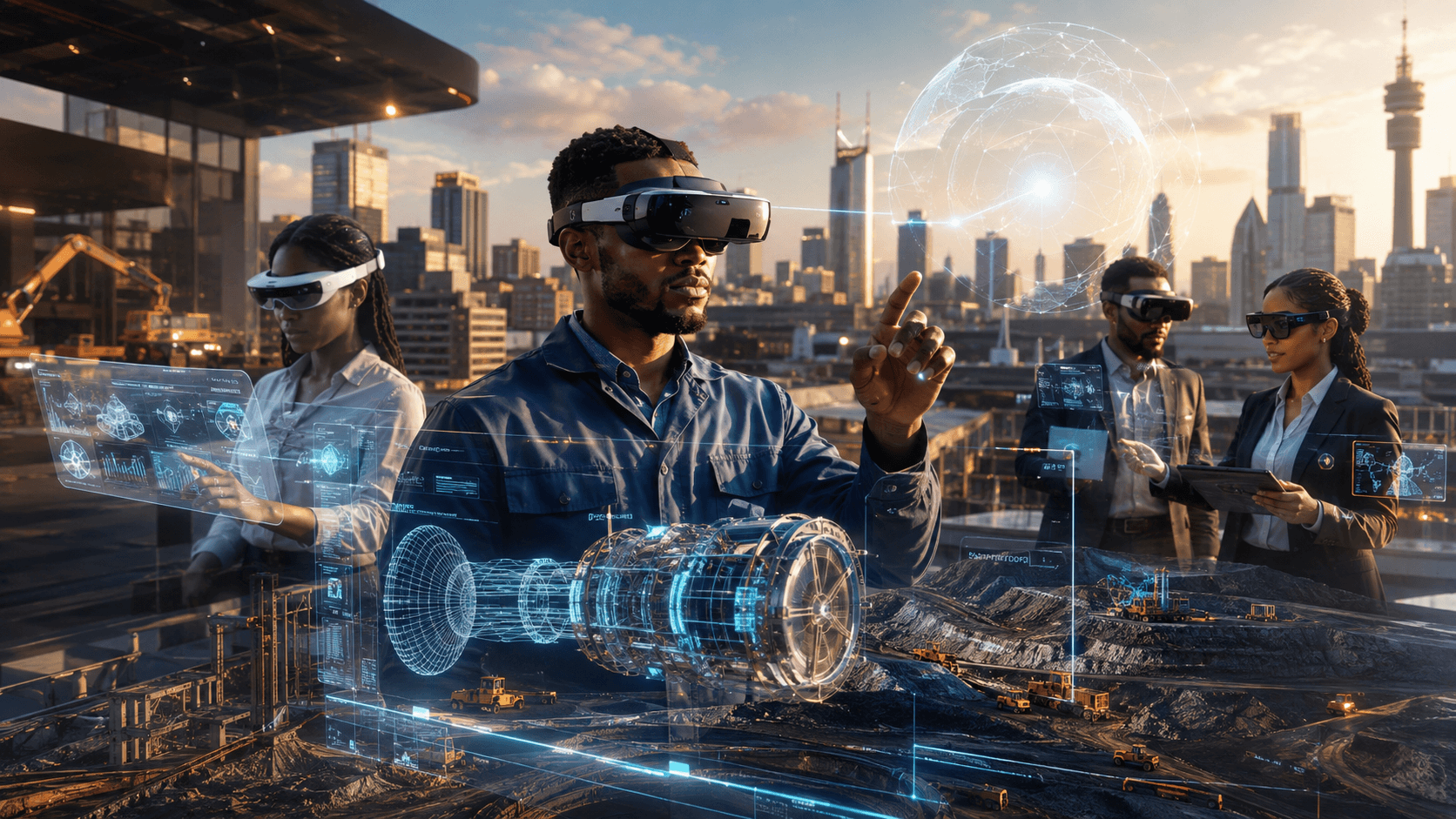

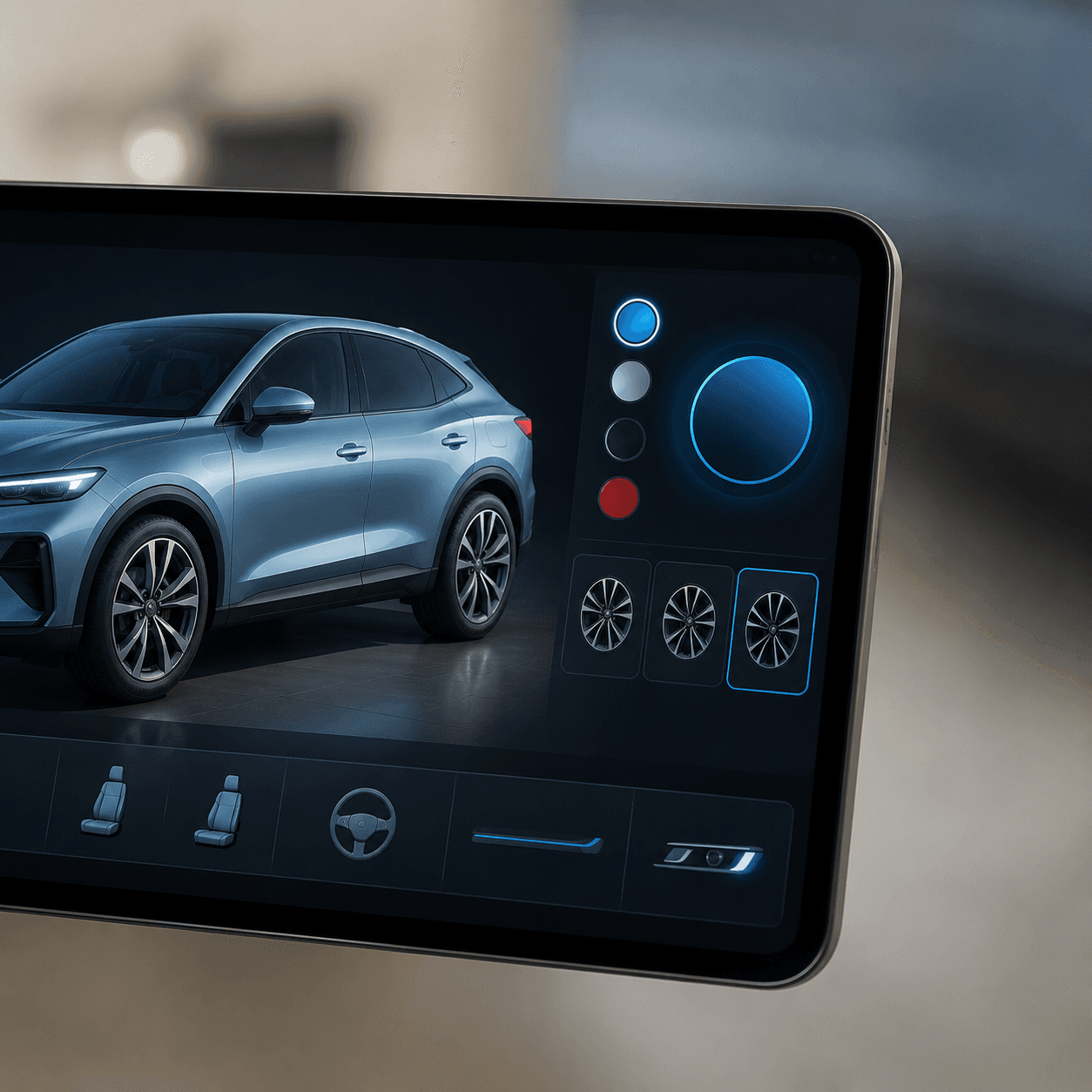
Interactive 3D configurators can push online conversion rates up by nearly 94 percent according to Shopify data, while automotive brands including BMW are pursuing “car-locked” XR that syncs headset tracking with vehicle sensors, and Stellantis has replaced traditional onboarding with immersive training across thousands of workers.
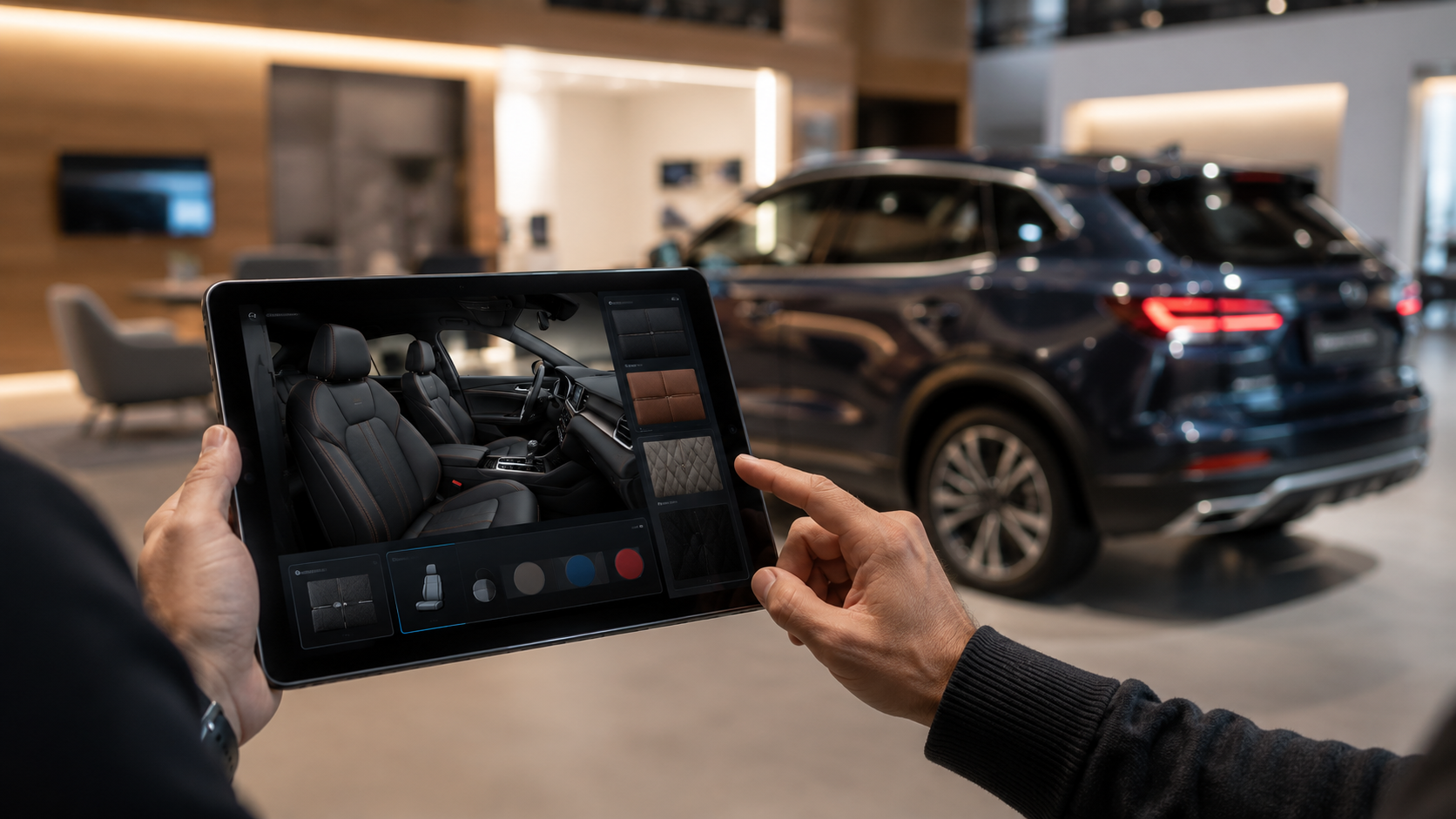
A 94 percent conversion lift is not a rounding error, it is the kind of number that should change how automotive brands think about their entire online sales funnel, and this blog explores what is actually driving that gain and why interactive 3D configurators outperform traditional product pages by such a wide margin. It opens by explaining the psychological mechanism behind this lift, that once a customer can step inside a vehicle virtually, examining stitching, lighting, and interior space rather than scrolling through static gallery images, the purchase decision shifts from uncertain guessing to something that feels genuine and informed, closing the confidence gap that causes so many online shoppers to hesitate or abandon a purchase. The piece covers the broader pattern this fits into across the automotive industry, referencing how Capgemini research confirms immersive retail spaces boost buyer confidence and strengthen long-term brand loyalty, not just conversion at the point of sale. It walks through the emerging “car-locked” XR approach being pursued by BMW and Meta Reality Labs, syncing headset tracking directly with real vehicle sensors so a virtual test drive experience actually behaves like the physical car it represents, a meaningfully more convincing approach than a generic 3D model disconnected from real vehicle behavior.
A section will address how this same underlying technology is reshaping automotive workforce training, pointing to Stellantis replacing traditional onboarding with immersive training across thousands of workers, letting new hires practice intricate assembly steps in virtual environments before ever touching a real production line. The blog covers what this means practically for automotive brands and dealership networks still relying primarily on static product photography and in-person showroom visits, arguing that the conversion data alone justifies serious investment in 3D configurator technology, independent of any brand or marketing benefits. It also touches on the remote sales enablement angle, referencing how immersive product training lets remote sales teams learn full vehicle lineups without physically visiting a showroom, extending consistent product knowledge across a distributed sales organization far more efficiently than in-person training alone. Automotive 3D configurators, immersive vehicle sales tools, and XR-based dealer training are the throughlines here, using hard conversion data to make an unambiguous business case for automotive visualization investment.