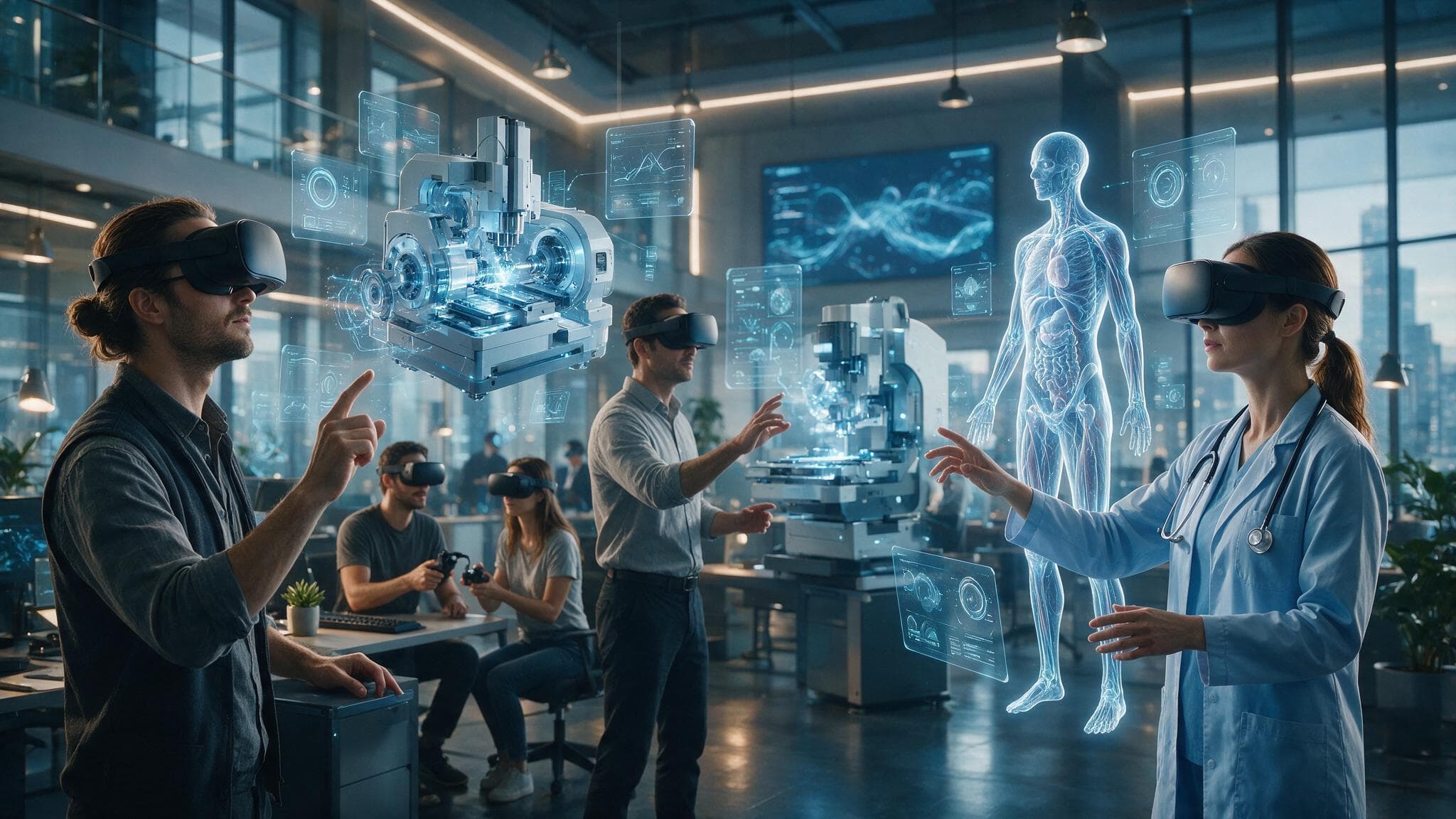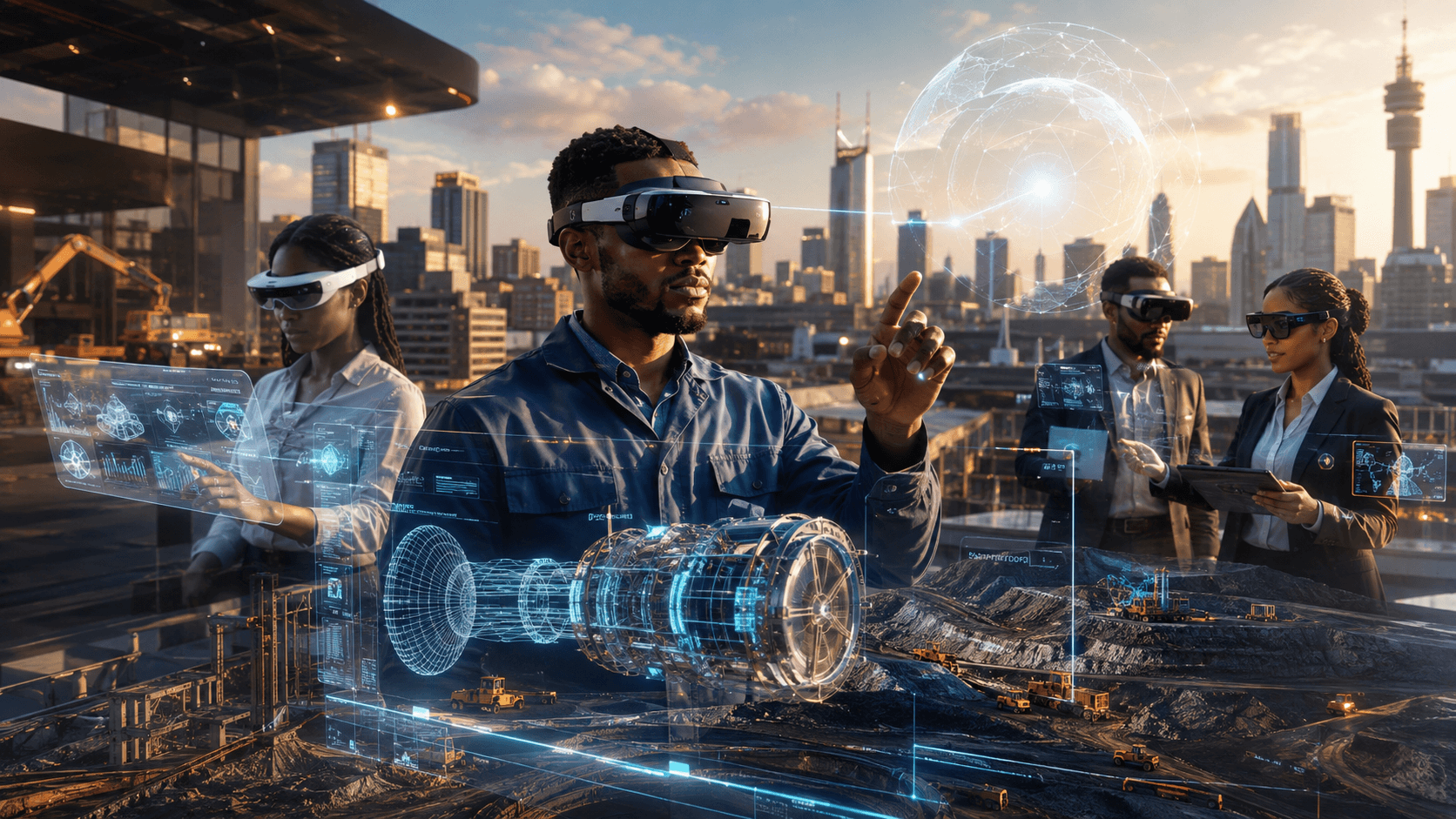


Spatial computing is one of the most influential AR/VR trends in 2026, technology that allows digital content to interact intuitively with the physical environment, with enterprises using AR applications that overlay real-time data onto machinery dashboards and VR environments that simulate real-world training disasters without risk. The global immersive technologies market is projected to reach 493.5 billion dollars, with AR and VR users worldwide projected to reach 3.7 billion by 2029.

The global immersive technologies market is projected to reach 493.5 billion dollars, and AR and VR users worldwide are expected to hit 3.7 billion people by 2029, more than a third of the planet. Numbers like that make one thing clear: spatial computing is not a future technology to keep an eye on, it is infrastructure that is already being built into how businesses operate today. This blog exists to close the gap between how most business leaders still think about AR and VR, as an interesting but optional experiment, and where the technology actually stands right now. It introduces spatial computing in plain, practical language, technology that allows digital content to understand and interact with physical space in real time, rather than sitting as a flat overlay on a screen the way earlier AR filters and effects did.
That distinction is the difference between a gimmick and a genuinely useful business tool, and this piece walks through real applications already running inside enterprises today to prove it. It covers AR systems that overlay live operational data directly onto machinery dashboards so technicians can see performance metrics without leaving the equipment they are inspecting, and VR environments that let organizations simulate real-world emergency and disaster scenarios safely, repeatedly, and without risking a single piece of equipment or a single person. It also touches on the growing role of AI inside spatial computing systems, personalizing immersive experiences in real time based on how a specific user moves and interacts rather than delivering identical content to everyone. The piece explains why 2026 specifically represents a turning point, not because of one single breakthrough device, but because hardware maturity, software ecosystem growth, and enterprise budget allocation are all converging at the same time. Spatial computing for enterprise, immersive technology adoption, and AR VR market growth all point toward the same underlying message, that the businesses treating this as core infrastructure today are the ones setting the pace, while the ones still treating it as optional are already behind the curve without necessarily realizing it yet.