
Virtuix announced the deployment of its first Omni One VR system with the Air National Guard, purchased by a unit based in Horsham, Pennsylvania, for military training use. The deployment adds to a broader pattern of high-stakes organizations, from hospitals to aerospace manufacturers to now military units, adopting immersive VR simulation for scenarios too costly, dangerous, or logistically complex to rehearse physically at scale.
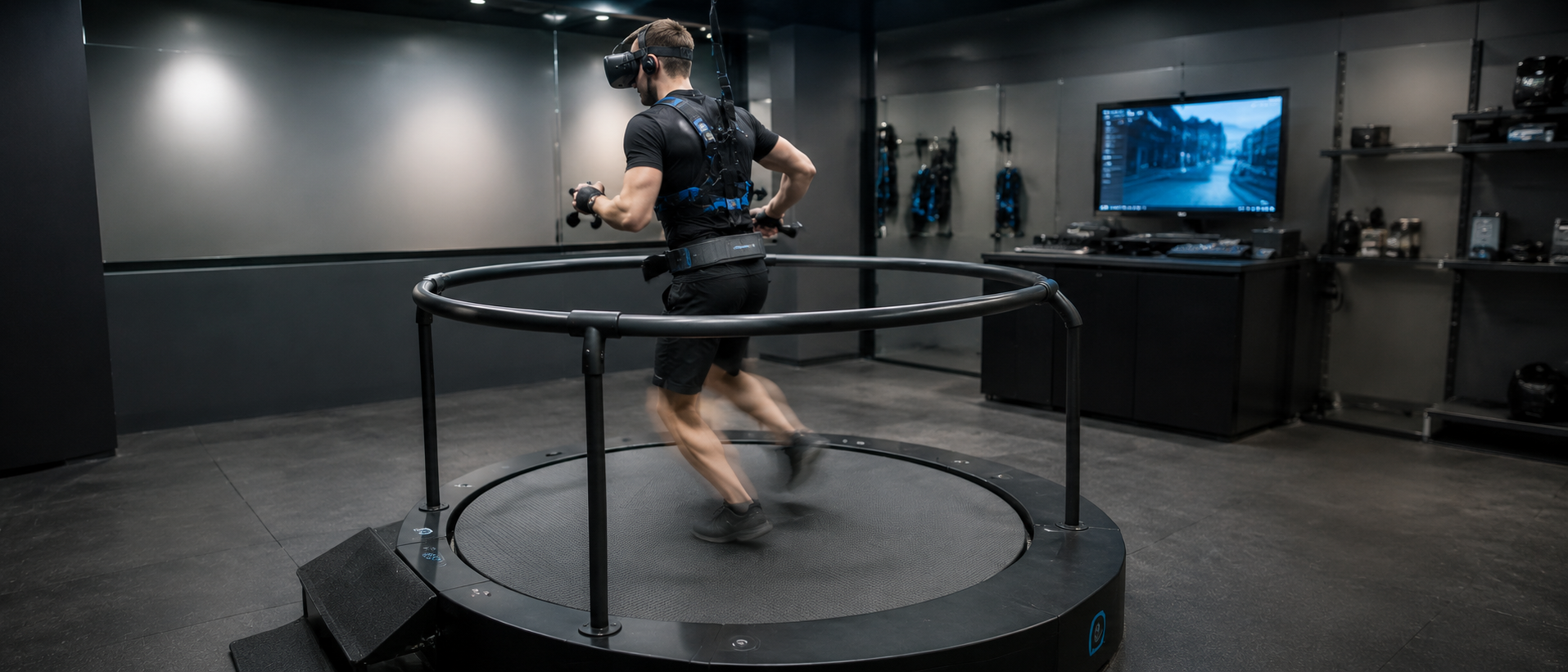
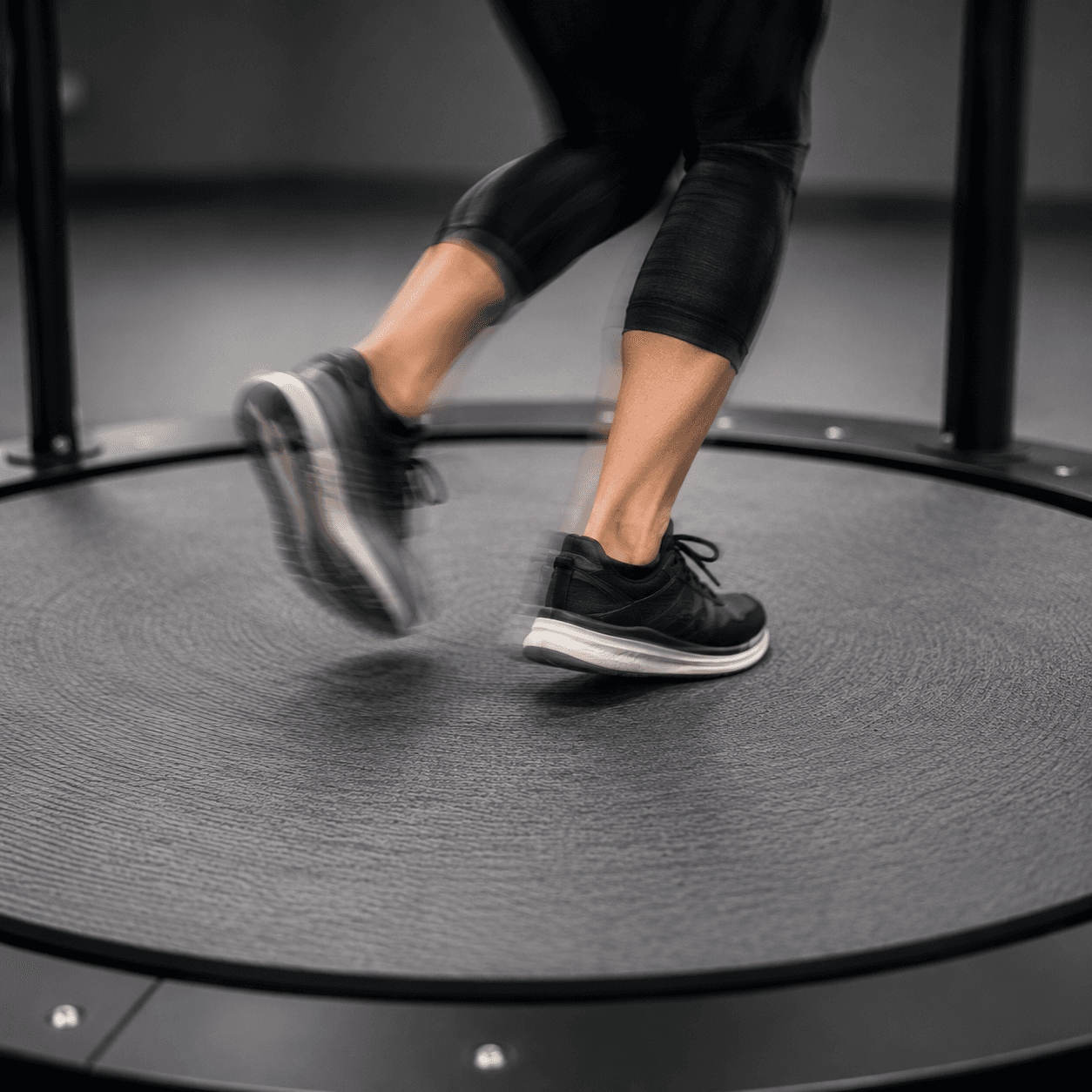
When a branch of the United States military adopts a piece of consumer-adjacent VR hardware for training, it is worth asking why, and the answer says a lot about where immersive training technology has landed by 2026. This blog opens with the Air National Guard’s deployment of the Virtuix Omni One system at a Pennsylvania-based unit, using it as a concrete example of how organizations with genuinely high-stakes, zero-margin-for-error training needs are now choosing VR simulation over purely traditional methods. It explains what made this particular system a fit for military-grade training specifically, covering how omnidirectional VR platforms allow trainees to physically walk, run, and move through a simulated environment rather than standing still with a controller, closing the gap between simulated training and the physical reality of a real scenario in a way seated VR experiences cannot fully replicate. The piece draws a direct line between this military deployment and the same underlying pressures driving VR training adoption across oil and gas, aviation, and manufacturing, namely the need to rehearse dangerous, rare, or extremely costly scenarios repeatedly without risking real equipment, real facilities, or real people. It covers why organizations with the highest possible stakes, military units among them, are often the ones most willing to invest early in unproven-feeling technology, precisely because the cost of under-preparing a team for a real scenario is so much higher than the cost of the training system itself.
A section will address what businesses in high-risk civilian industries can take directly from this deployment, arguing that if a military branch is comfortable trusting VR simulation for training scenarios where lives are genuinely on the line, that should meaningfully lower the perceived risk threshold for adopting similar technology in industrial safety training, emergency response rehearsal, or complex equipment operation. The blog also touches on the specific advantage of full-body, movement-based VR training over seated alternatives for certain scenario types, particularly those involving spatial awareness, physical navigation under pressure, or team coordination across a physical space. Military VR training, high-stakes immersive simulation, and full-body VR training systems are the throughlines here, positioning this deployment as a credibility signal for any organization still weighing whether VR training is mature enough to trust with its highest-risk scenarios.