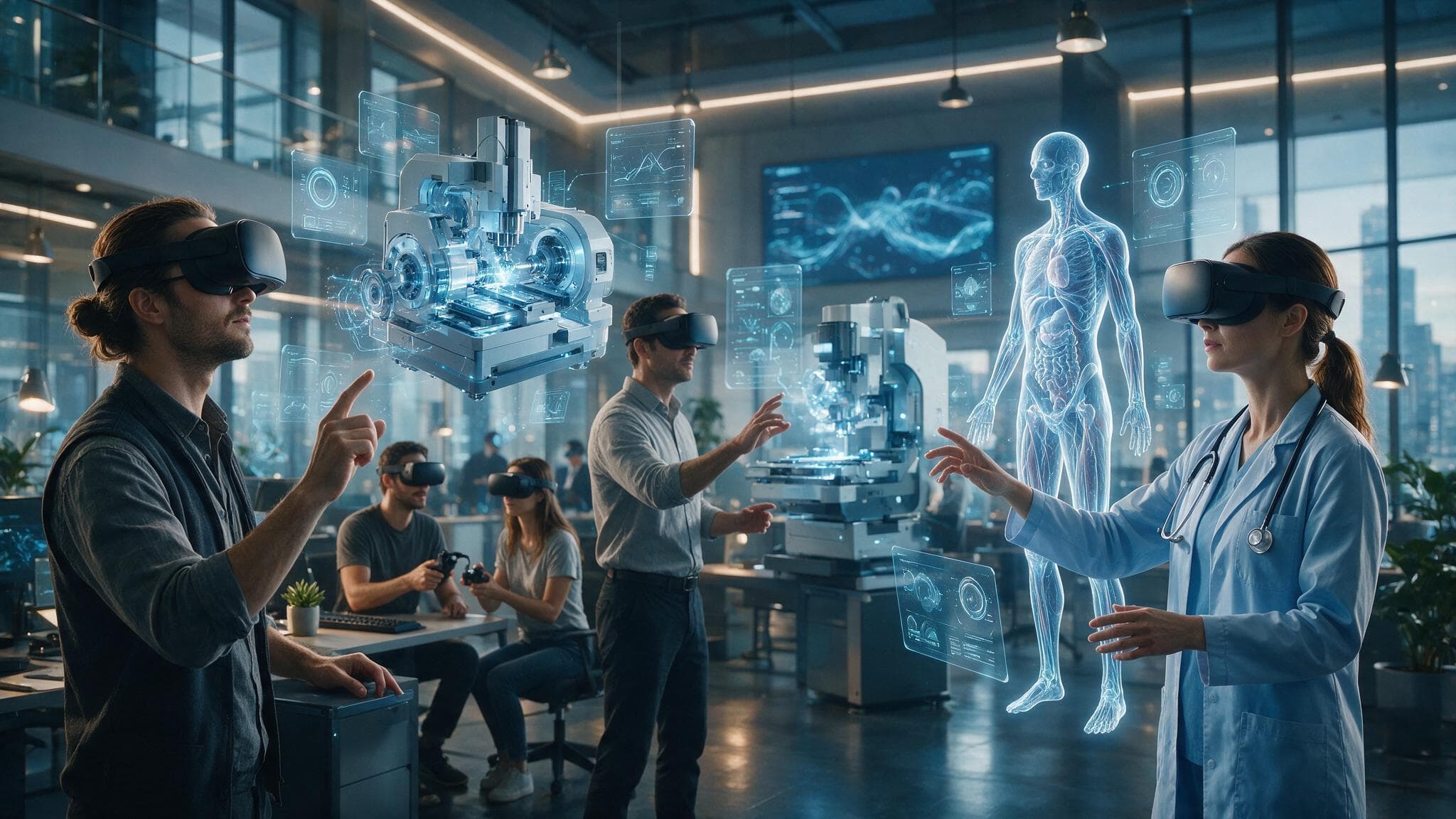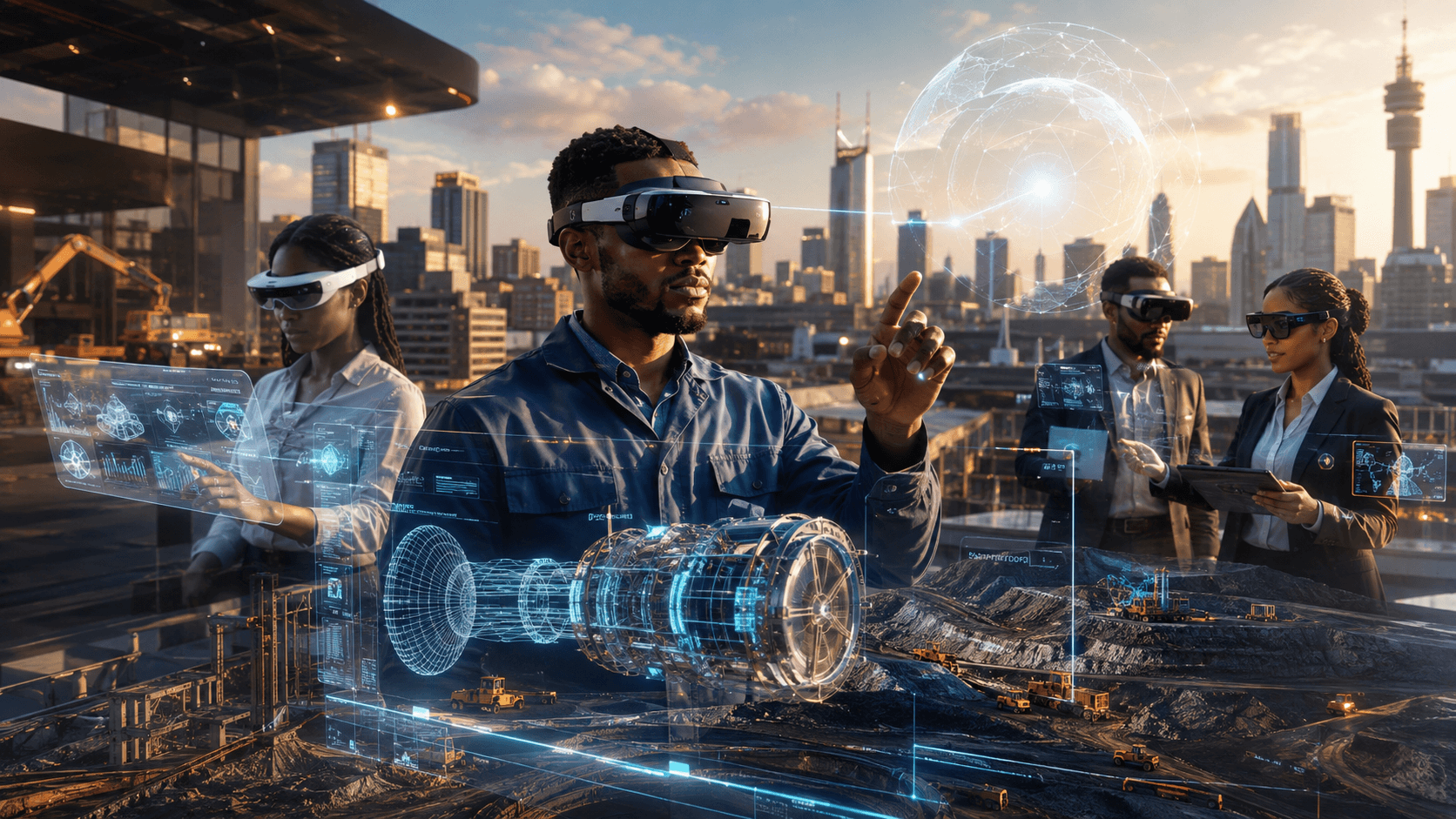


The automotive extended reality market is projected to reach 70.2 billion dollars by 2034, up from 42.7 billion dollars in 2024, driven by immersive customer experiences, XR-based design reviews, and workforce training initiatives including EON Reality’s Spatial AI Training Platform supporting electric-vehicle workforce development.
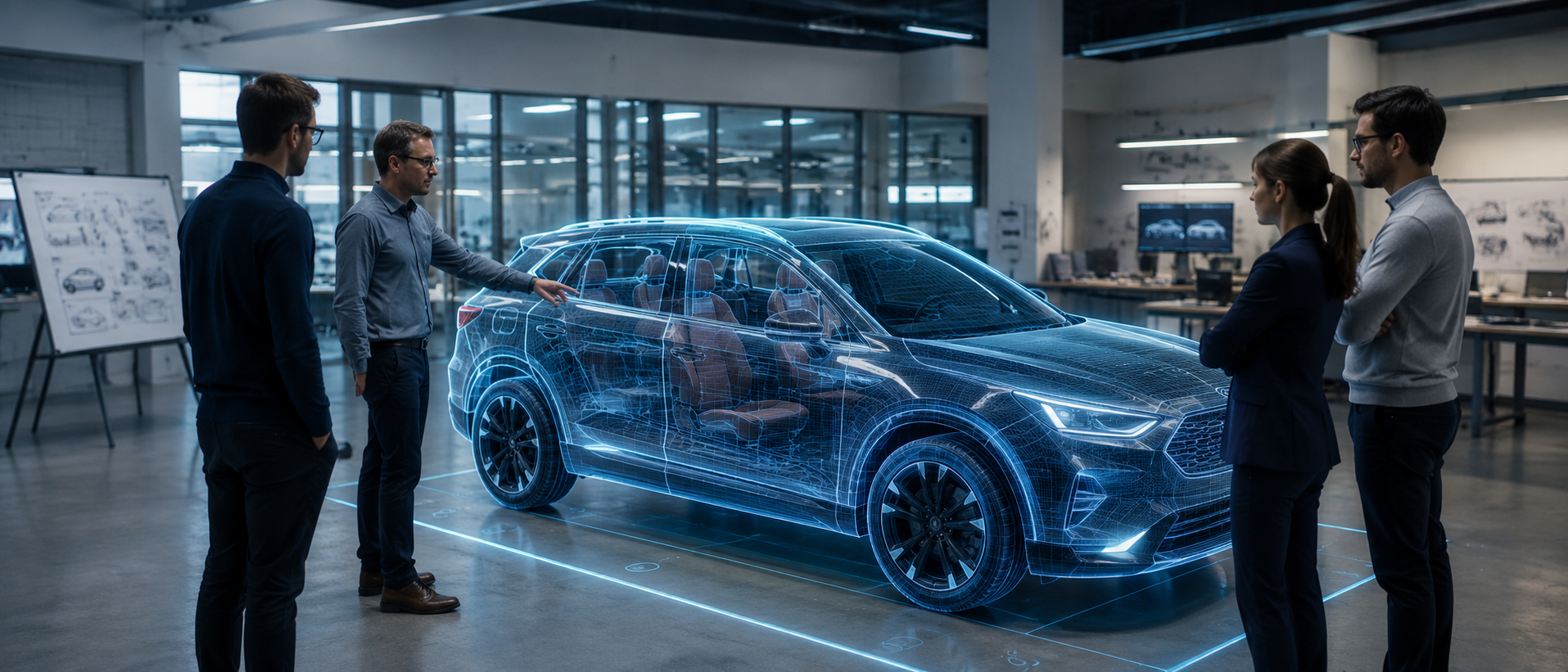
A market projected to grow from 42.7 billion to 70.2 billion dollars over the next decade is not a niche experiment, it is a genuine industrial transformation, and this blog breaks down exactly what is driving that growth across automotive design, manufacturing, retail, and training rather than treating the projection as an abstract headline figure. It opens by explaining the structural forces behind this sustained growth trajectory, covering how automotive companies are increasingly integrating XR technologies across workforce training, mobility infrastructure testing, and sustainability planning, treating immersive technology as core operational infrastructure rather than an isolated marketing tool. The piece walks through the specific growth drivers named in current market analysis, starting with XR-based design reviews that let managers, designers, and safety engineers stand together inside a digital vehicle model to test visibility and sign off on changes on the spot, dramatically compressing decision cycles that traditionally required physical prototypes and in-person reviews. It covers the workforce training dimension specifically, referencing EON Reality’s Spatial AI Training Platform built to support electric vehicle workforce development, a notable example of how the industry’s shift toward EV manufacturing is itself creating fresh demand for immersive training content to reskill workers on genuinely new systems and procedures.
A section will address the regulatory and cost pressure side of this growth, explaining that regulators increasingly encourage digital testing methods specifically to reduce physical prototyping expenses and improve safety compliance, meaning automotive XR adoption is being pulled forward by regulatory incentive as much as it is being pushed by internal efficiency goals. The blog covers regional dynamics shaping this growth too, noting that countries including China, Japan, South Korea, and India continue strengthening smart factory infrastructure and connected vehicle initiatives, extending automotive XR demand well beyond traditional Western automotive manufacturing hubs. It also touches on the consumer-facing side of this growth, referencing rising demand for immersive customer experiences across automotive retail and engineering sectors, tying design-stage XR investment directly to the same underlying technology capability that powers dealership-facing configurators and virtual showroom experiences. Automotive XR market growth, EV workforce training technology, and immersive vehicle design review are the throughlines here, using hard market projection data to explain why automotive XR investment represents a genuinely durable, multi-decade industrial shift rather than a passing trend.