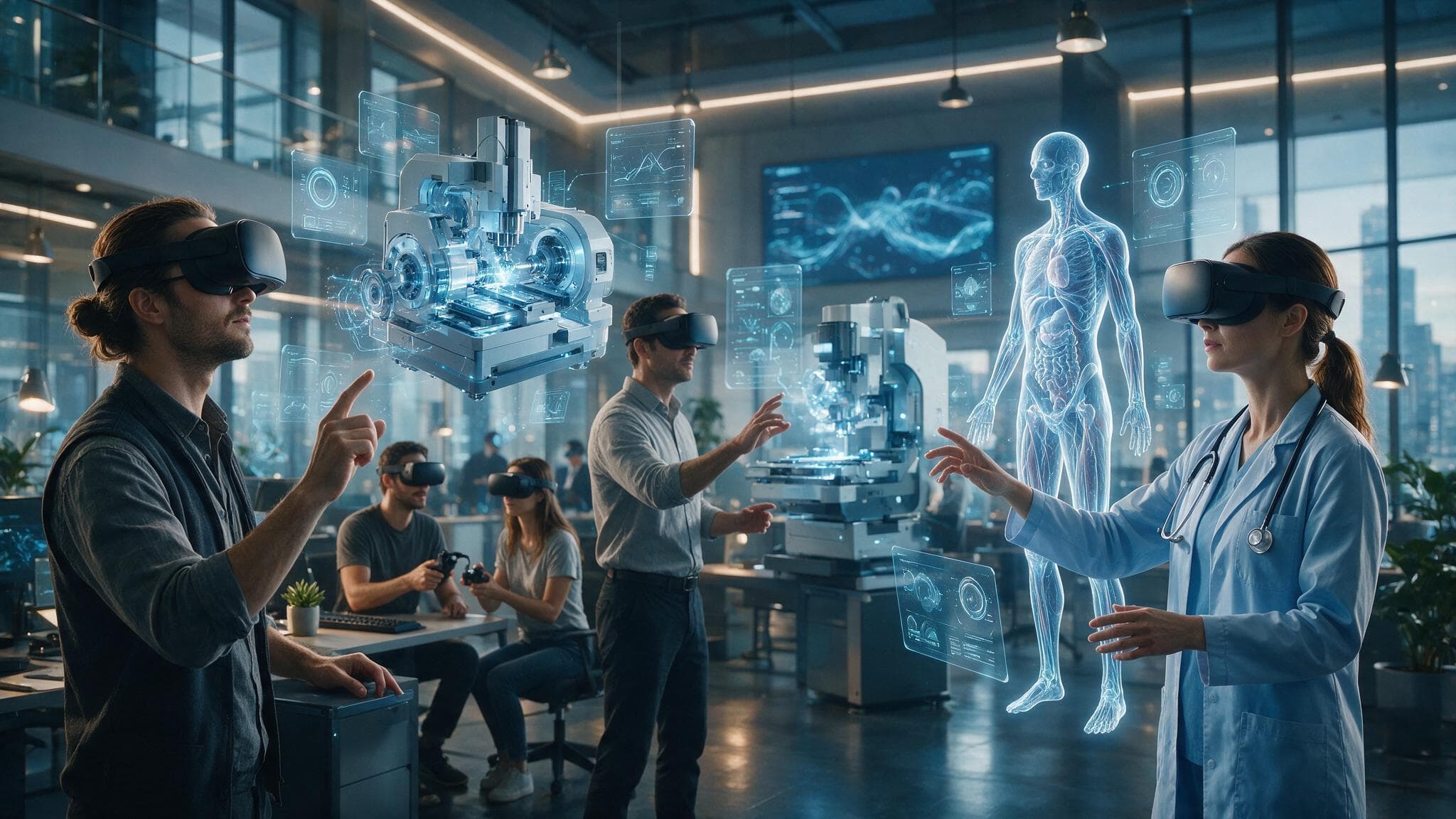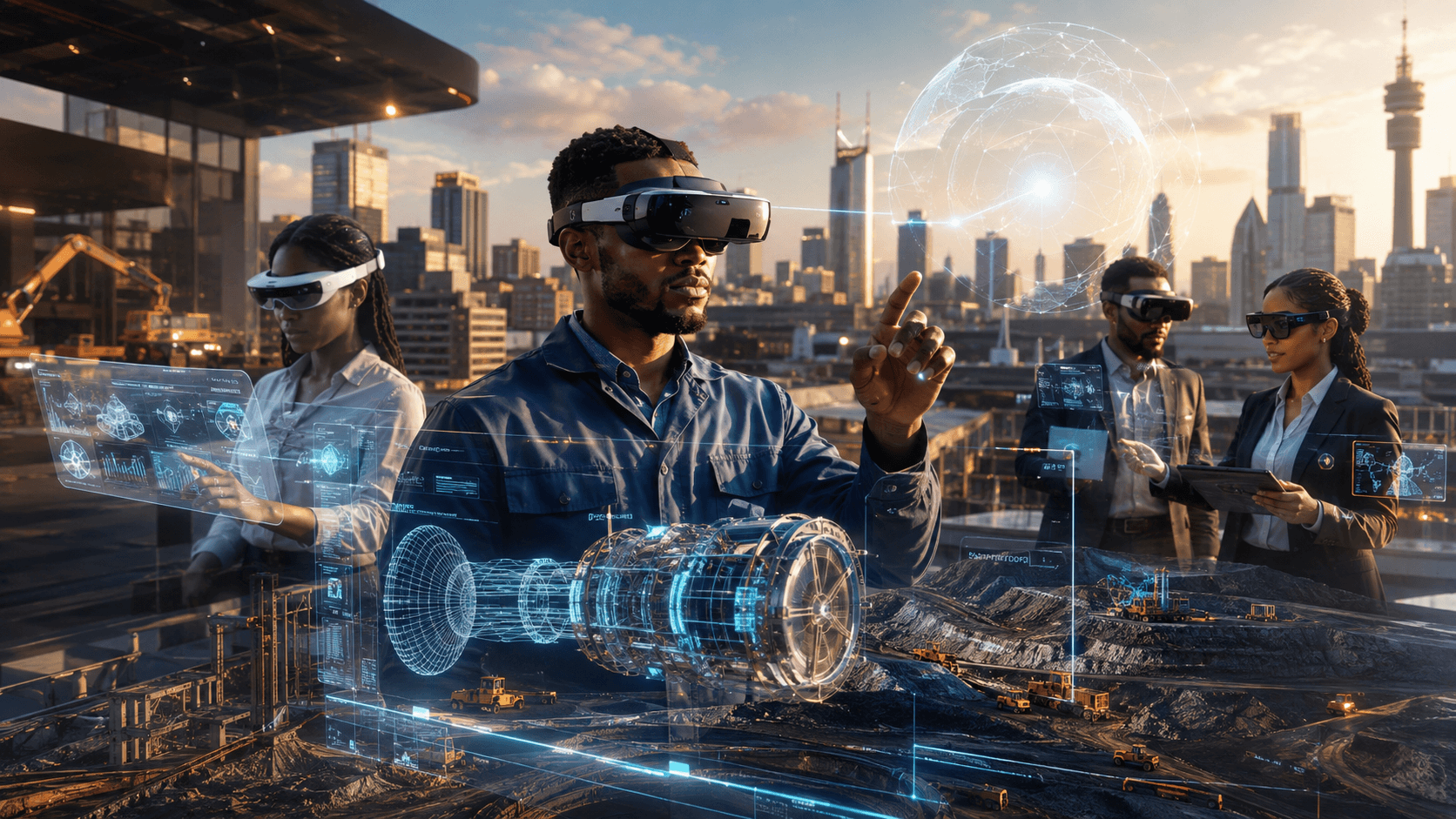

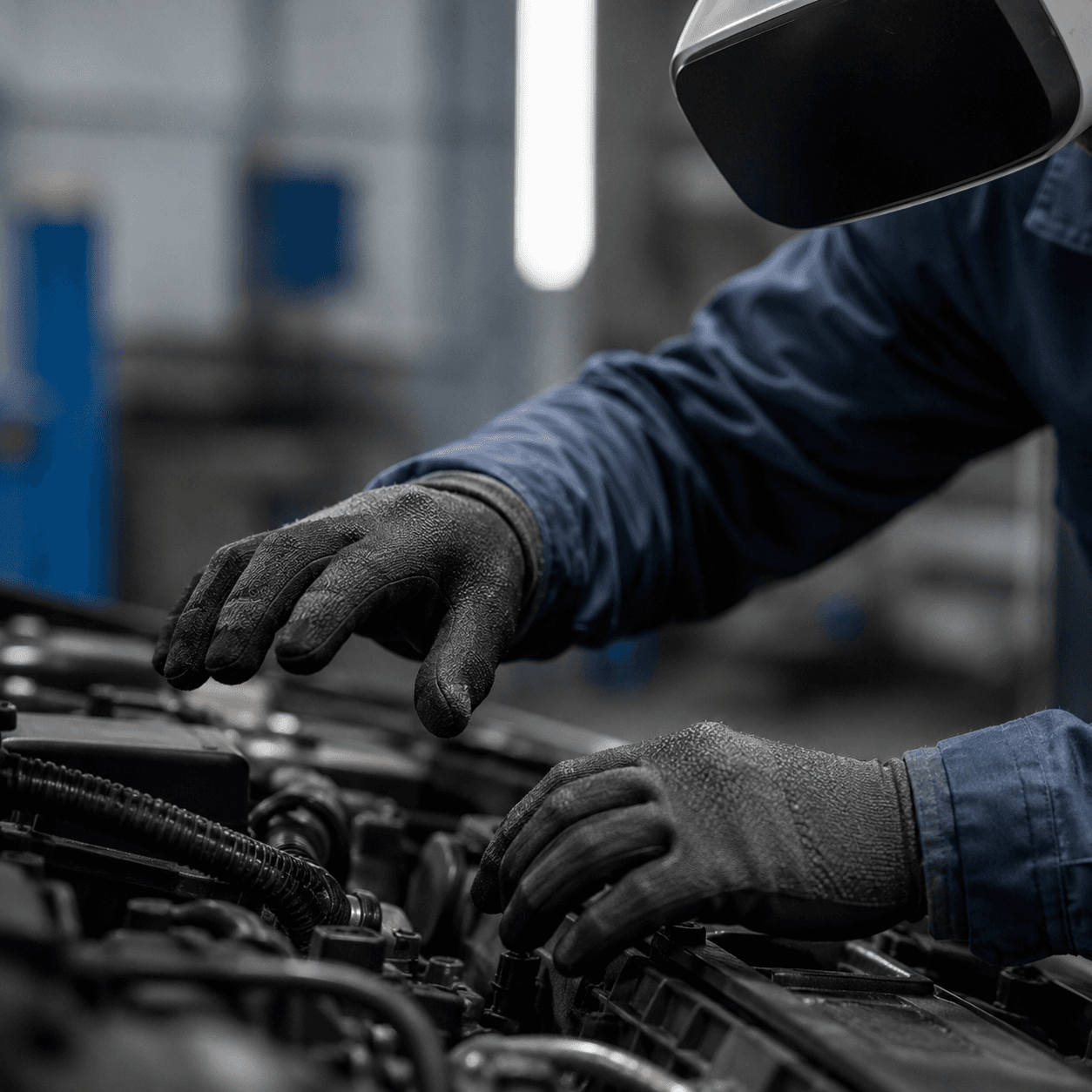
In automotive maintenance training, VR-educated beginners performed statistically similar to intermediate-level technicians trained on video, effectively compressing a learning curve that normally takes months into hours.
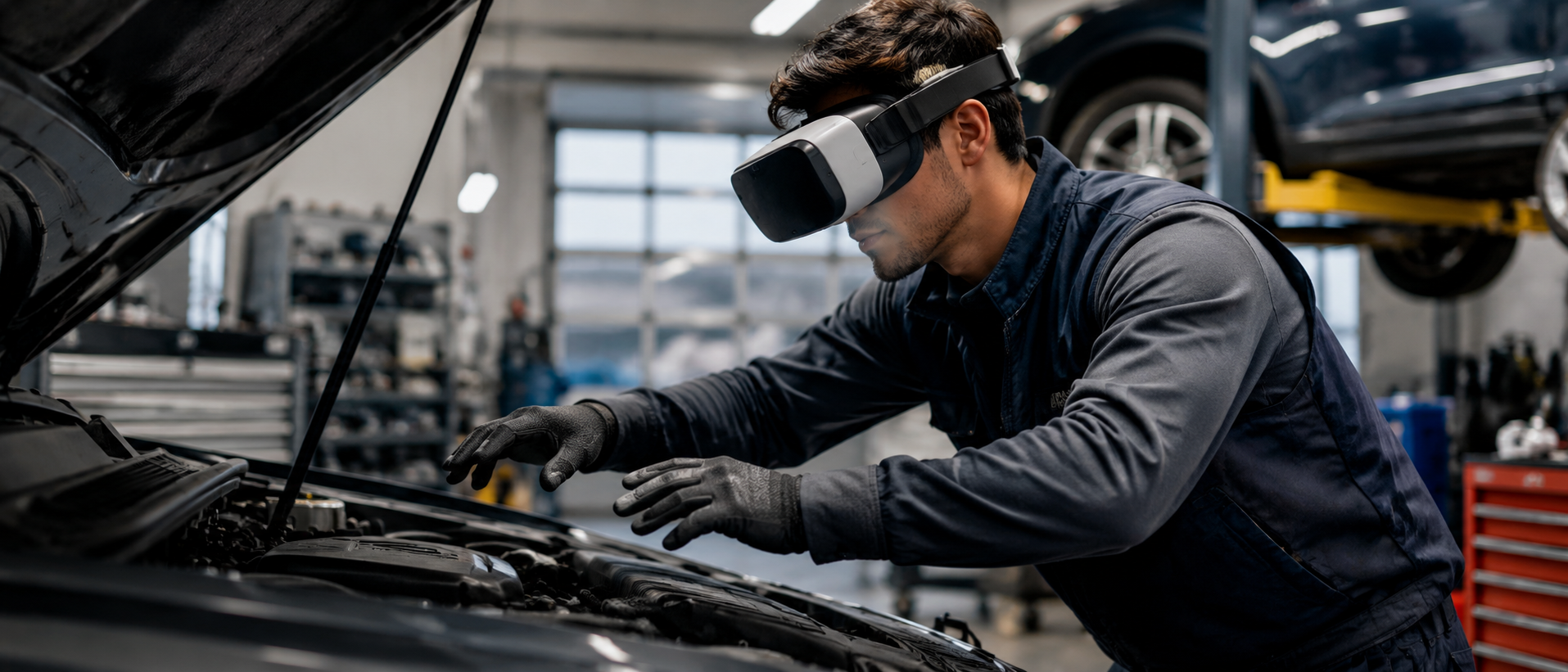
A claim like “months compressed into hours” sounds like marketing language until you see the actual study design behind it, and this specific finding, that VR-trained novices in automotive maintenance performed on par with intermediate-level technicians trained through traditional video, deserves a closer look at what makes that result possible rather than just repeating it as a headline statistic. This blog breaks down why VR training produces this kind of accelerated skill acquisition specifically in hands-on technical fields like automotive maintenance, and what that means for dealership networks, fleet operators, and automotive service organizations planning their own technician training programs. It opens by explaining the core limitation traditional video-based training carries, that watching a demonstration, no matter how well produced, does not build the same procedural muscle memory as physically performing the task, leaving a genuine gap between watching a repair performed correctly and being able to reliably perform it yourself under real conditions. The piece walks through what VR training specifically closes in that gap, letting a trainee physically go through the motions of a maintenance task, using their hands, making real spatial judgments, and receiving immediate feedback when a step is done incorrectly, all inside a repeatable, risk-free simulation rather than a one-way video demonstration. It covers why this matters so much for automotive specifically, where technician shortages and rising vehicle complexity, especially with the shift toward electric vehicle systems, are creating real pressure to onboard new technicians faster without sacrificing the quality or safety of their eventual real-world work.
A section will address the practical implication for dealership networks and service organizations evaluating this technology, arguing that the speed advantage documented here directly addresses one of automotive service’s most persistent operational bottlenecks, the time and cost required to bring a new hire up to a genuinely productive skill level. The blog also touches on where this kind of accelerated VR training fits alongside traditional apprenticeship and hands-on shop time, positioning it not as a full replacement but as a way to get a technician meaningfully further along before they ever touch a real vehicle, reducing both training time and the risk of costly mistakes during that early, most error-prone learning period. Automotive VR training, technician skill acceleration, and hands-on simulation learning are the throughlines here, using a specific, measured study result to make a genuinely compelling case for VR investment in automotive workforce development.