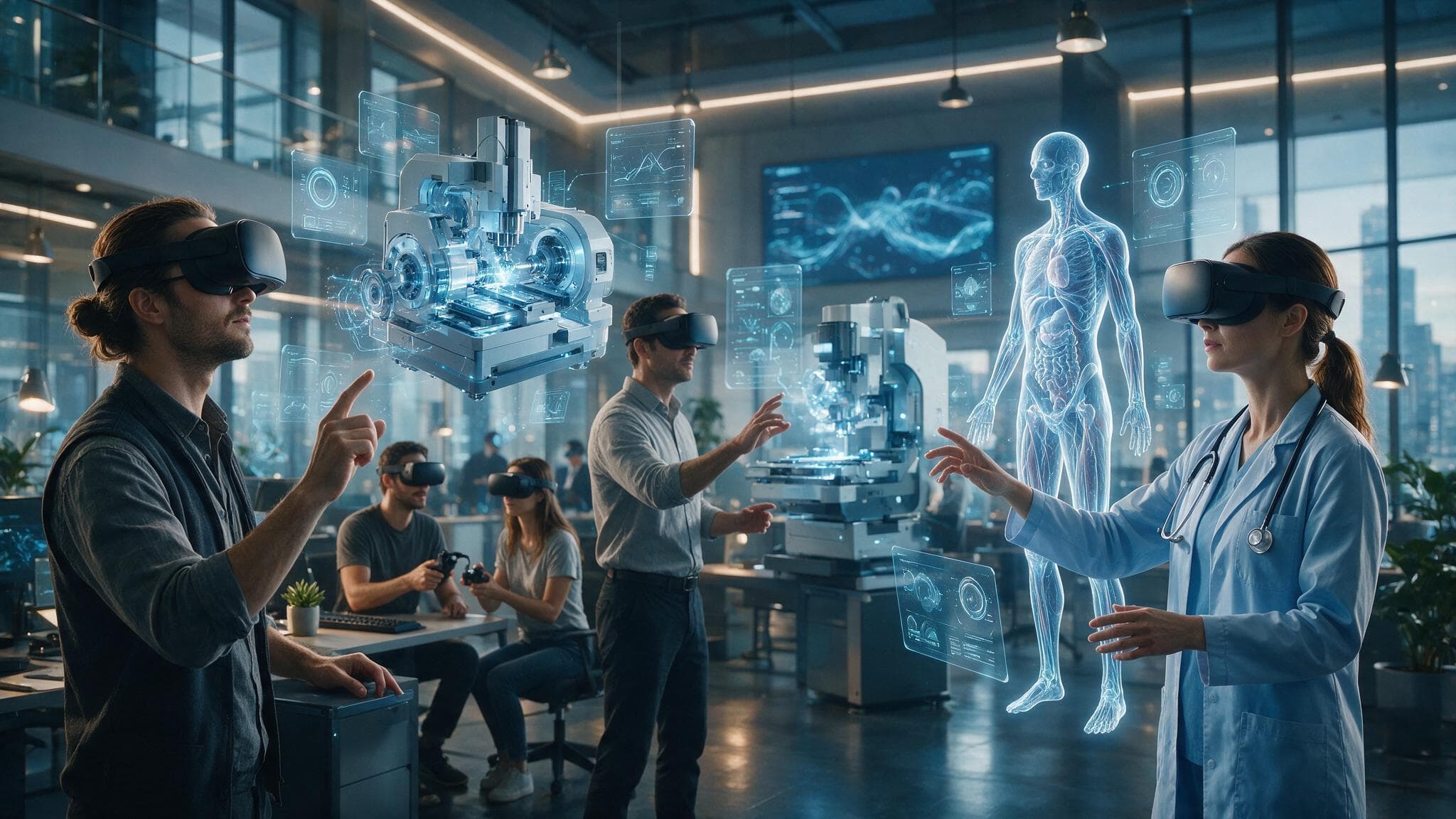

A 2024 systematic review of 55 randomized controlled trials and 2,142 stroke patients found VR outperforming conventional therapy across upper limb motor function, functional independence, quality of life, and spasticity, with surgical training identified as the highest-growth application in healthcare VR while patient care management holds the largest current revenue share.
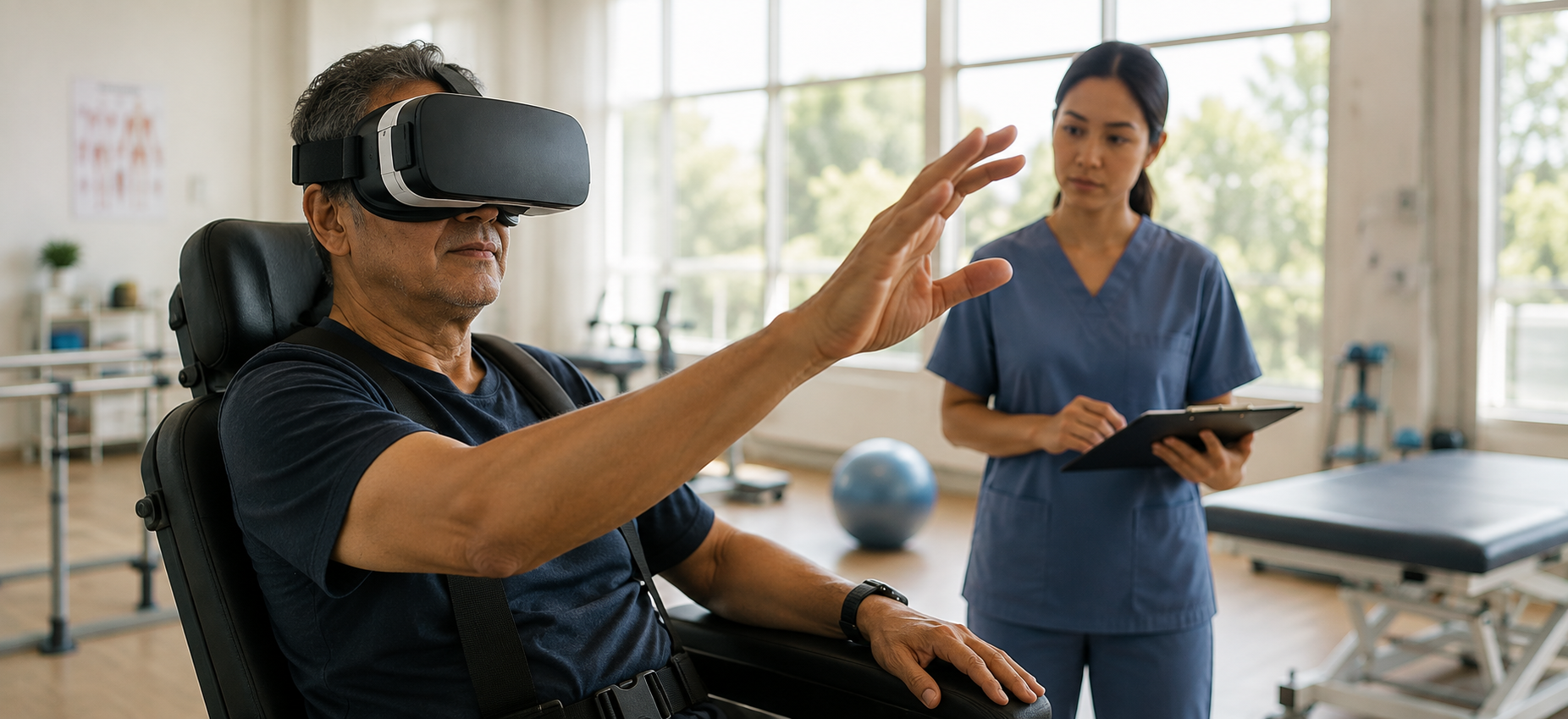
A systematic review covering 55 randomized controlled trials and over 2,100 stroke patients represents about as rigorous a body of clinical evidence as exists for any healthcare technology application, and the finding that VR rehabilitation outperformed conventional therapy across four separate measured outcomes deserves serious attention from healthcare providers still treating VR rehab as an unproven or experimental option. This blog breaks down what this review actually measured and why the results matter so significantly for stroke rehabilitation programs specifically. It opens by explaining why stroke rehabilitation represents such a demanding proving ground for any new therapeutic approach, since recovery depends heavily on sustained, repetitive practice of specific movements, exactly the kind of long, often discouraging process where patient motivation and engagement frequently determine whether therapy actually succeeds or stalls. The piece walks through the four specific outcome categories where the review found VR outperforming conventional therapy, upper limb motor function, functional independence, quality of life, and spasticity, explaining why VR’s ability to gamify repetitive movement, provide immediate visual feedback, and create genuinely engaging practice scenarios likely drives better patient adherence and effort compared to conventional repetitive exercise protocols that patients often find tedious and demotivating. It covers why functional independence and quality of life improvements matter as much as the more clinical motor function measures, since these outcomes reflect whether rehabilitation actually translates into a patient’s genuine ability to live independently and comfortably, the ultimate goal of any stroke recovery program beyond the clinical metrics alone.
A section will address what this level of evidence means for healthcare providers and rehabilitation clinics still evaluating whether to invest in VR therapy programs, arguing that a review of this scale and rigor moves VR rehabilitation from “promising early evidence” into genuinely established, evidence-based clinical practice, a distinction that matters enormously for clinical adoption decisions and, increasingly, for insurance reimbursement conversations. The blog also touches on the broader regulatory context this fits into, noting that the FDA has cleared or authorized 110 AR and VR medical devices since 2015, spanning surgical navigation, radiology visualization, and rehabilitation, reflecting a broader pattern where regulatory bodies are increasingly recognizing immersive therapeutic applications as legitimate, evidence-backed medical technology rather than experimental tools. VR stroke rehabilitation, evidence-based immersive therapy, and clinical VR outcomes are the throughlines here, using rigorous clinical review data to make the case that VR rehabilitation has moved solidly into proven medical practice.