

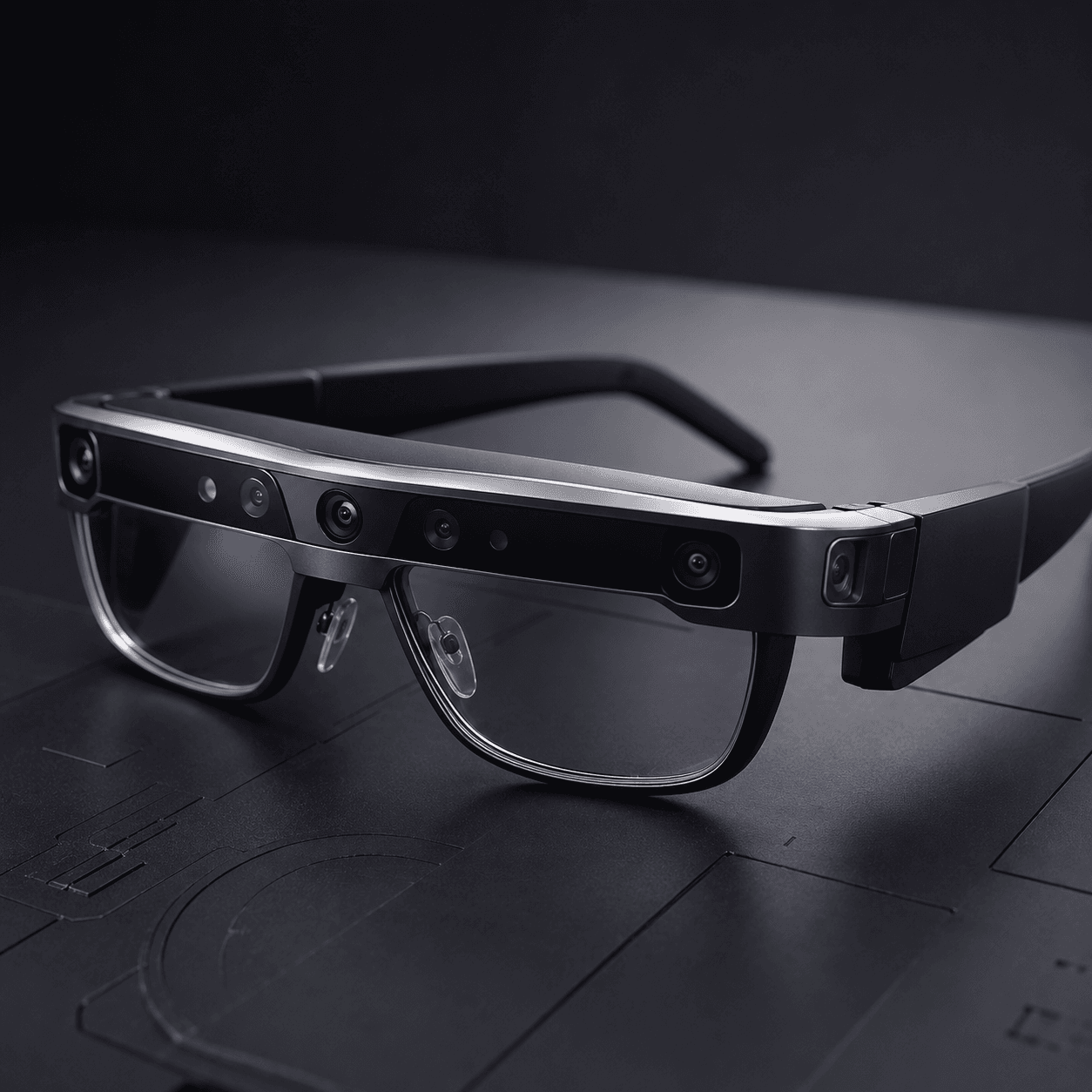
XREAL AURA will launch in fall 2026, with the company confirming the final retail price of the base model “will not exceed US$1,500, excluding applicable taxes.” The device supports six degrees of freedom tracking, hand tracking, and multimodal AI experiences, and runs Android XR with Google’s Gemini AI assistant built in.
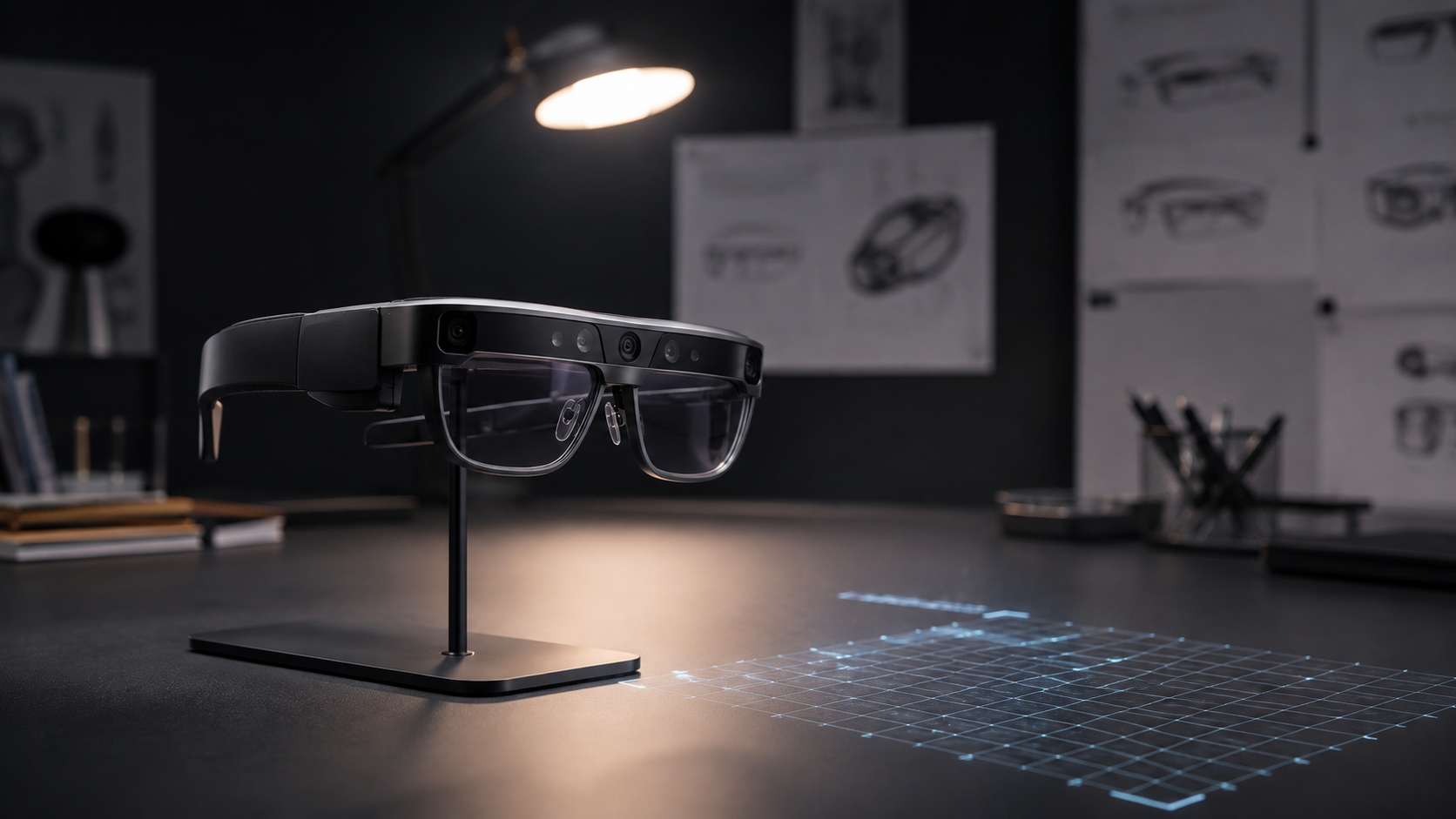
Setting a firm price ceiling months before a product actually ships is an unusual level of pricing transparency for AR hardware, and XREAL’s confirmed $1,500 maximum for its AURA glasses tells businesses evaluating this platform something genuinely useful before committing budget to a fall 2026 launch. This blog breaks down what that price point positions AURA against, and what its confirmed feature set means for enterprise and prosumer use cases specifically. It opens by explaining where $1,500 sits in the broader AR glasses market, positioning AURA well above affordable display-only glasses in the $300 range, but meaningfully below full spatial computing headsets like Apple Vision Pro or Samsung Galaxy XR, carving out a distinct middle tier aimed at buyers who want genuine spatial computing capability without headset-level cost or bulk. The piece walks through what six degrees of freedom tracking and hand tracking specifically enable at this price point, letting a user interact with digital content anchored precisely in physical space using natural hand gestures rather than a controller, a genuinely more capable interaction model than simpler display-only glasses can support, while still avoiding the weight and cost of a full headset. It covers why running Android XR with Gemini built in matters as much as the hardware specs, since that platform choice means AURA inherits Google’s broader AI assistant ecosystem and ongoing software development rather than depending entirely on XREAL’s own smaller software team, a meaningful long-term support consideration for any business planning content built specifically for this device.
A section will address what this price and feature combination means for the specific use cases PointZero’s clients care about, arguing that 6DoF tracking at this price tier makes AURA a genuinely viable option for product visualization, design review, and spatial training content, applications that need real spatial anchoring but don’t necessarily require full VR immersion or headset-level processing power. The blog also touches on the practical planning value of a confirmed price ceiling announced this far ahead of launch, giving businesses a concrete number to budget against months before the device actually ships, rather than the usual pattern of pricing speculation right up until a launch event. AR glasses pricing tiers, Android XR hardware, and spatial computing content planning are the throughlines here, breaking down a confirmed price ceiling into genuinely useful planning context for businesses evaluating mid-tier AR hardware.