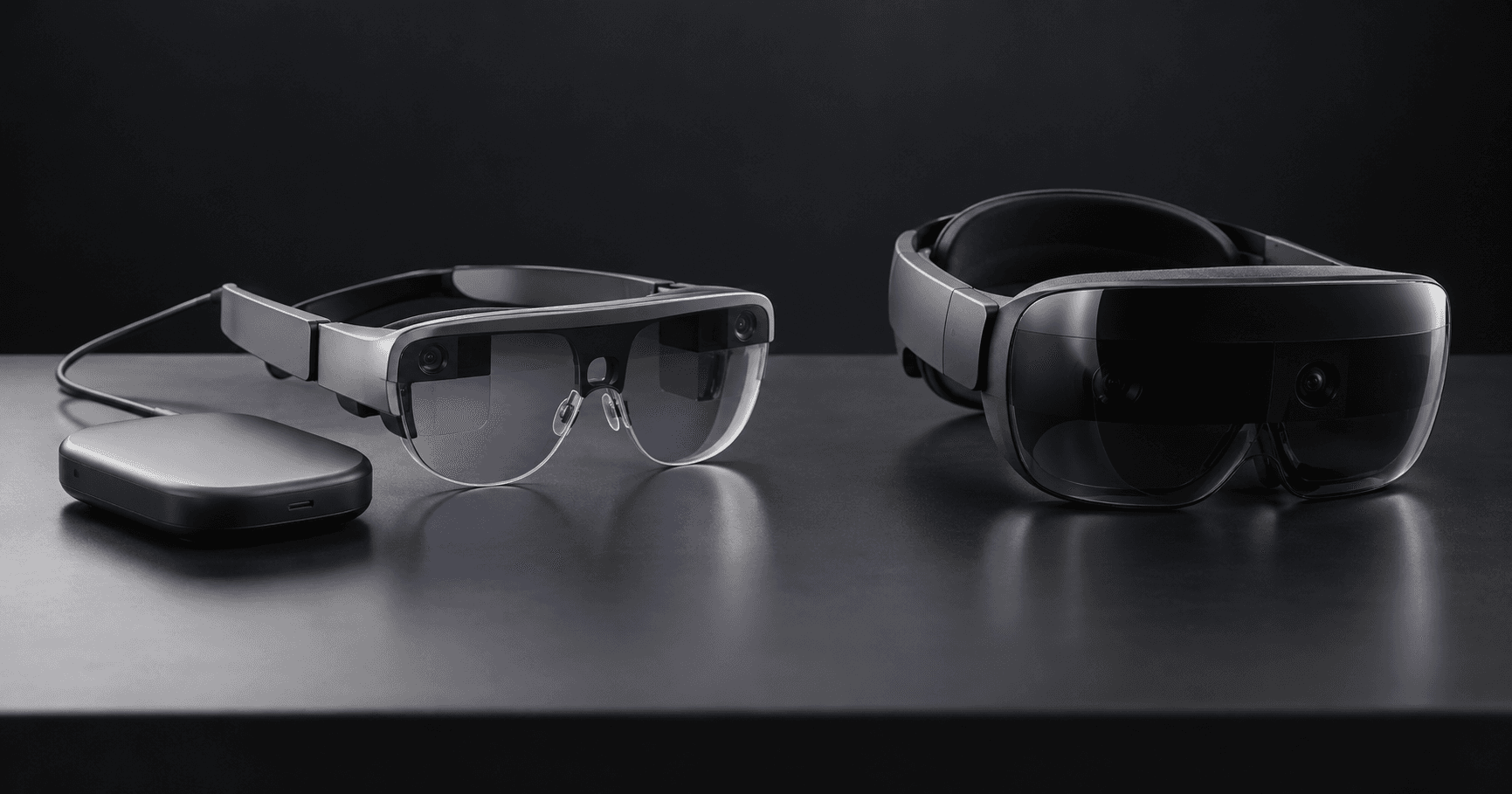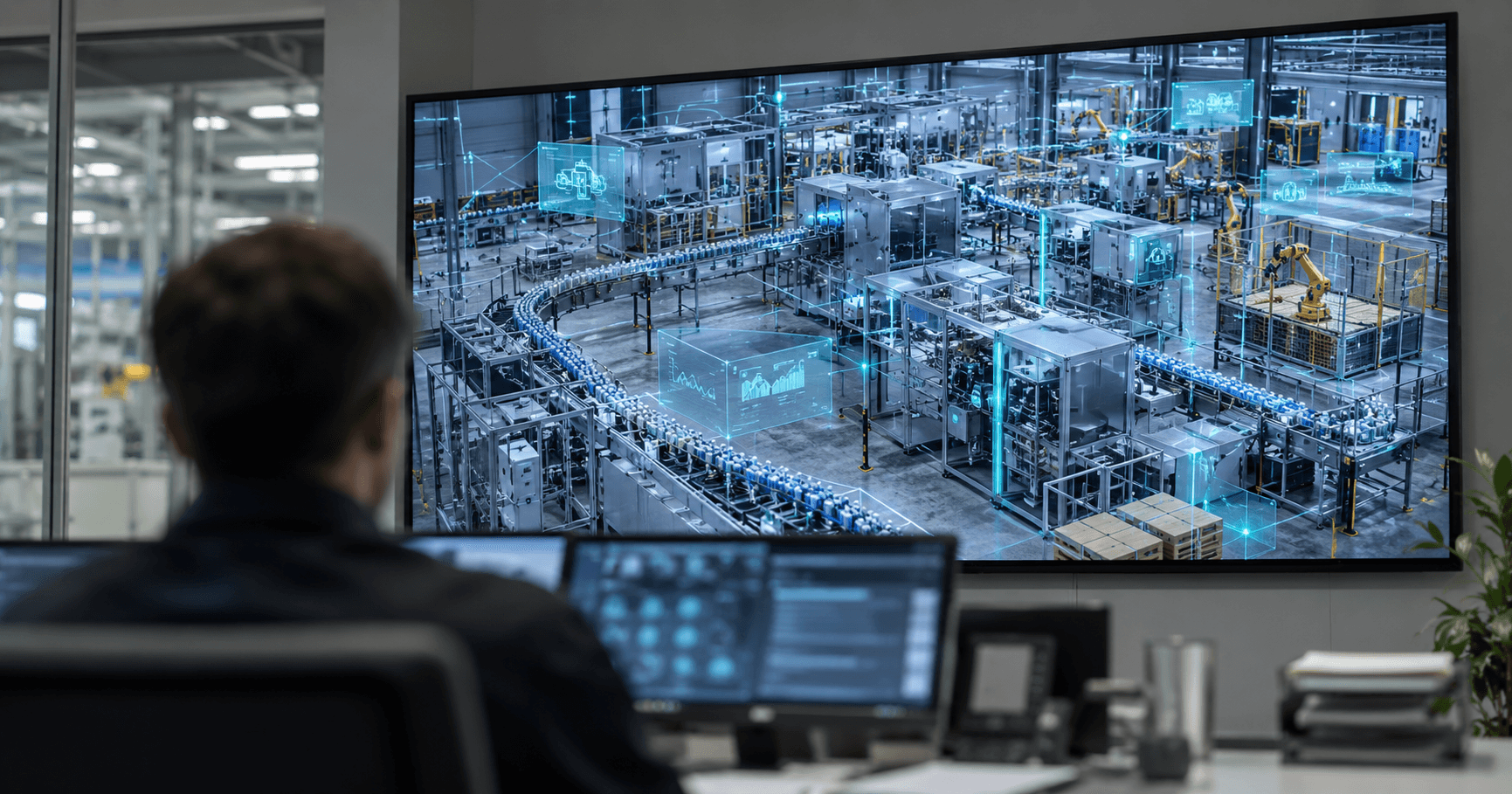

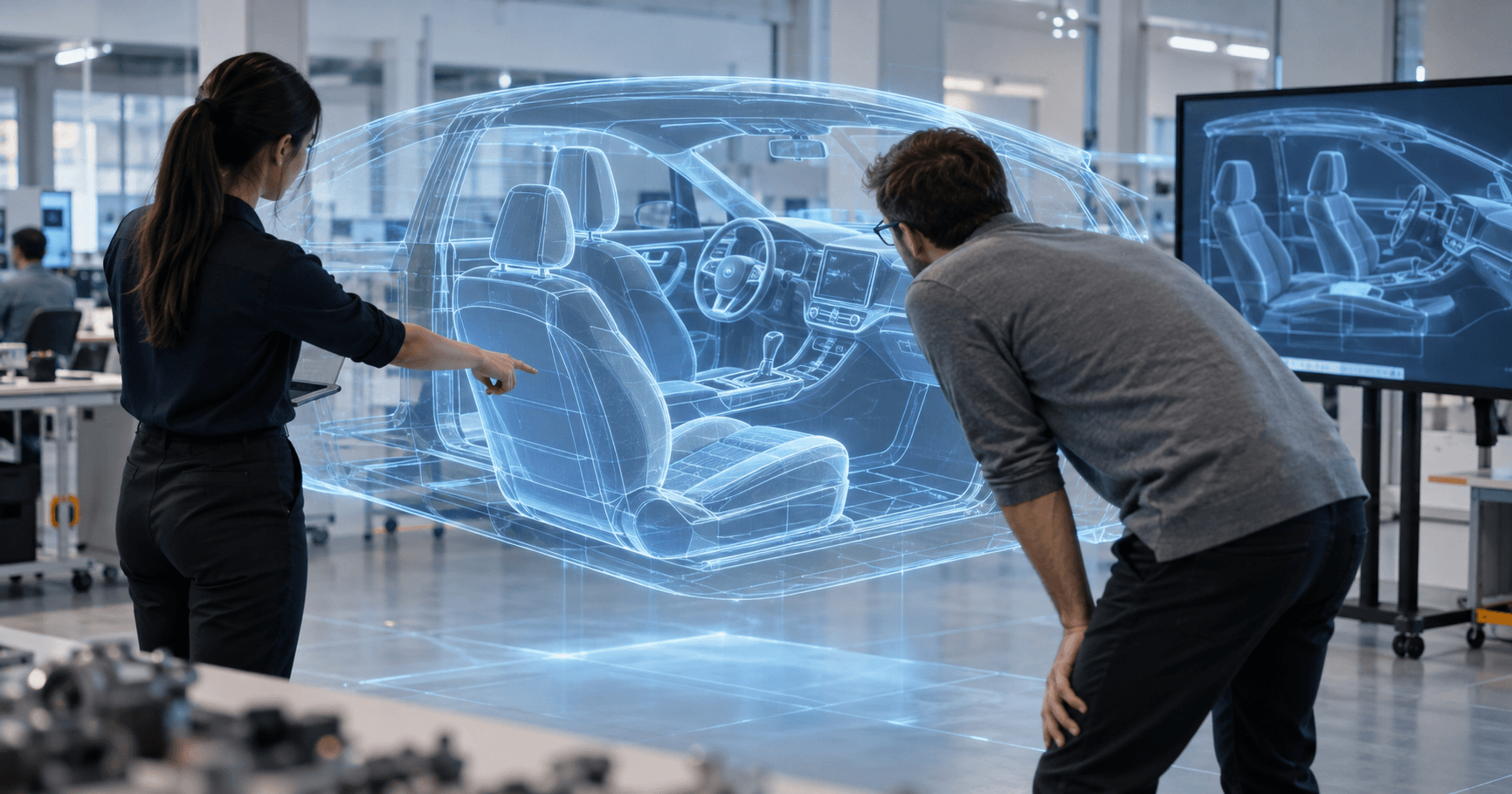
Dassault Systèmes’ 3DLive turns Apple’s Vision Pro headset into an intuitive, precise way to engage with digital twin simulations, and it was named among the honorees in Fast Company’s Next Big Things in Tech awards for 2026. Fast Company notes that customers have adopted it for applications ranging from engineering new EVs to testing surgical instruments. The idea behind it is straightforward. Digital twins built on the 3DEXPERIENCE platform can leap off the screen and into a user’s physical space, enabling real-time visualization and team collaboration. As the head of Dassault’s 3DEXCITE software suite has put it, a digital twin shown on a monitor is a flat screen representing something in 3D, which is not ideal. Apple’s executives have framed the benefit as catching problems earlier in design to reduce cost and rework, and engineers can work remotely on industrial projects while spotting potential issues sooner.
The takeaway for manufacturers and product teams is not that every design review needs a headset. It is that a digital twin is only as useful as the way people can inspect it, and spatial viewing helps most where scale, clearances, and ergonomics matter, such as vehicle interiors, factory layouts, and equipment that people must reach and service. A good starting point is to pick one review that regularly causes late rework, then test whether walking through the model at real size surfaces issues that a screen review misses. Compare the result with the cost of the hardware and the time it takes to prepare the model. Note too that a headset is one option among several: the same twin can often be reviewed through a browser or tablet for stakeholders who only need a quick look. The strongest programs combine accurate underlying models with the right viewing method for each audience, instead of treating spatial computing as the goal in itself.