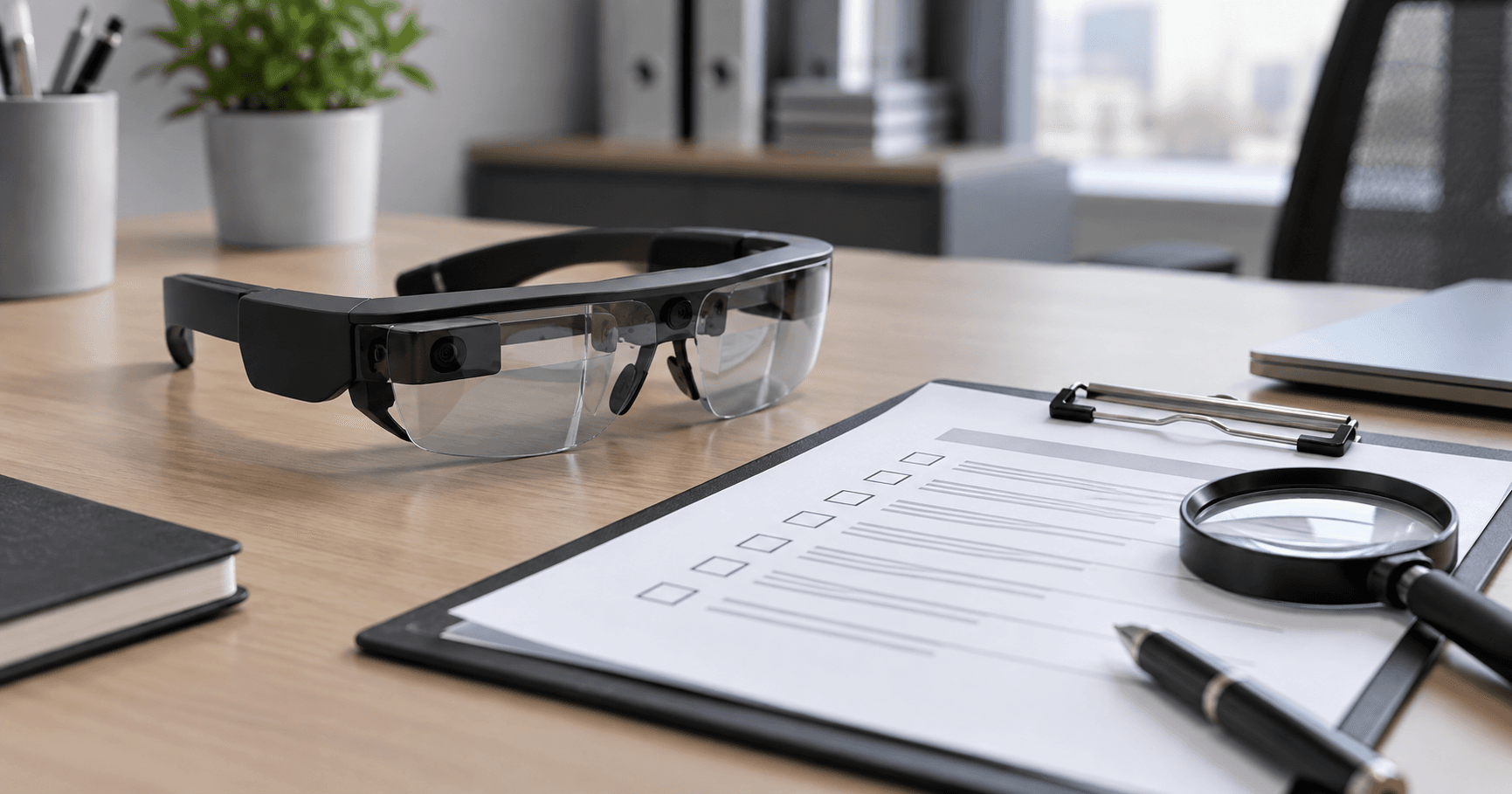

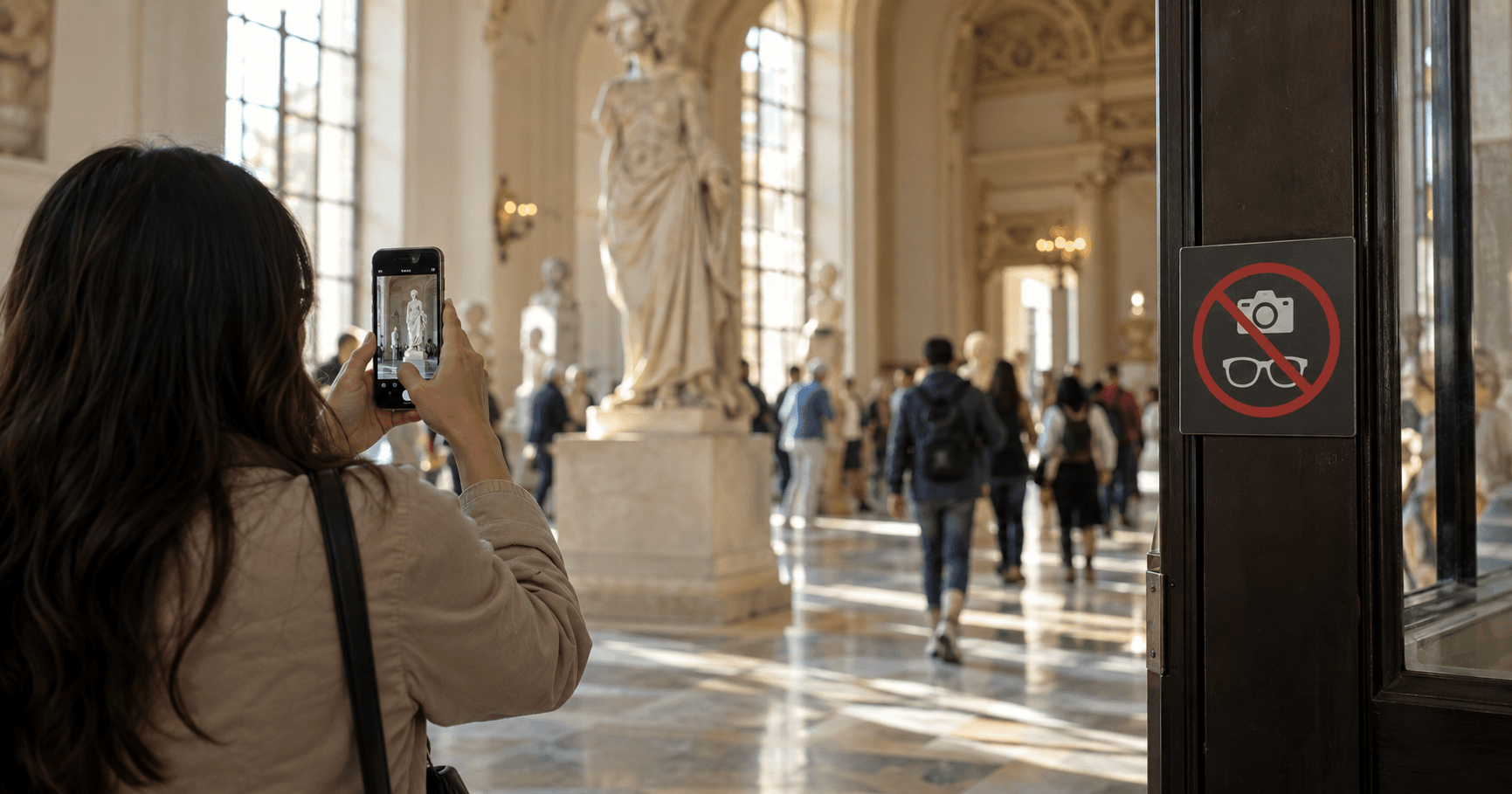
Norway has become the first country to propose a temporary ban on camera-enabled and AI-powered smart glasses in public spaces, citing privacy and the ability to record people without their knowledge. The proposal could cover parks, beaches, museums, schools, kindergartens, shopping centers, healthcare facilities, gyms, and public events, while private use at home would still be allowed. The government has been clear that it is not seeking a blanket ban, and it is considering exceptions for vulnerable groups and “socially beneficial uses.” The measure still needs support from other parties in parliament, and it is framed as a stopgap that gives authorities time to hold an “informed debate” that could lead to permanent regulation. It lands amid a patchwork of other actions: Oslo has already banned camera glasses in schools, and a Dutch eyewear retailer pulled Meta Ray-Ban glasses from more than 400 stores while the debate plays out.
For anyone running AR experiences in public venues, such as museums, retail spaces, healthcare facilities, or events, the message is that the device itself is becoming a policy question. Nothing here targets venue-supplied headsets or phone-based AR directly, and the details are unsettled, so avoid assuming either way. But a few practical steps make sense now. Design experiences so they work on a visitor’s phone or on devices the venue controls and can explain, rather than depending on visitors bringing their own camera glasses. Where a camera is not needed for the experience, choose hardware and features that do not use it, and say so plainly to visitors. Write a short device policy for staff and guests, and keep an eye on rules in each market. Venues that treat privacy as part of the experience design will be better placed than those that wait for a rule to force the question.