

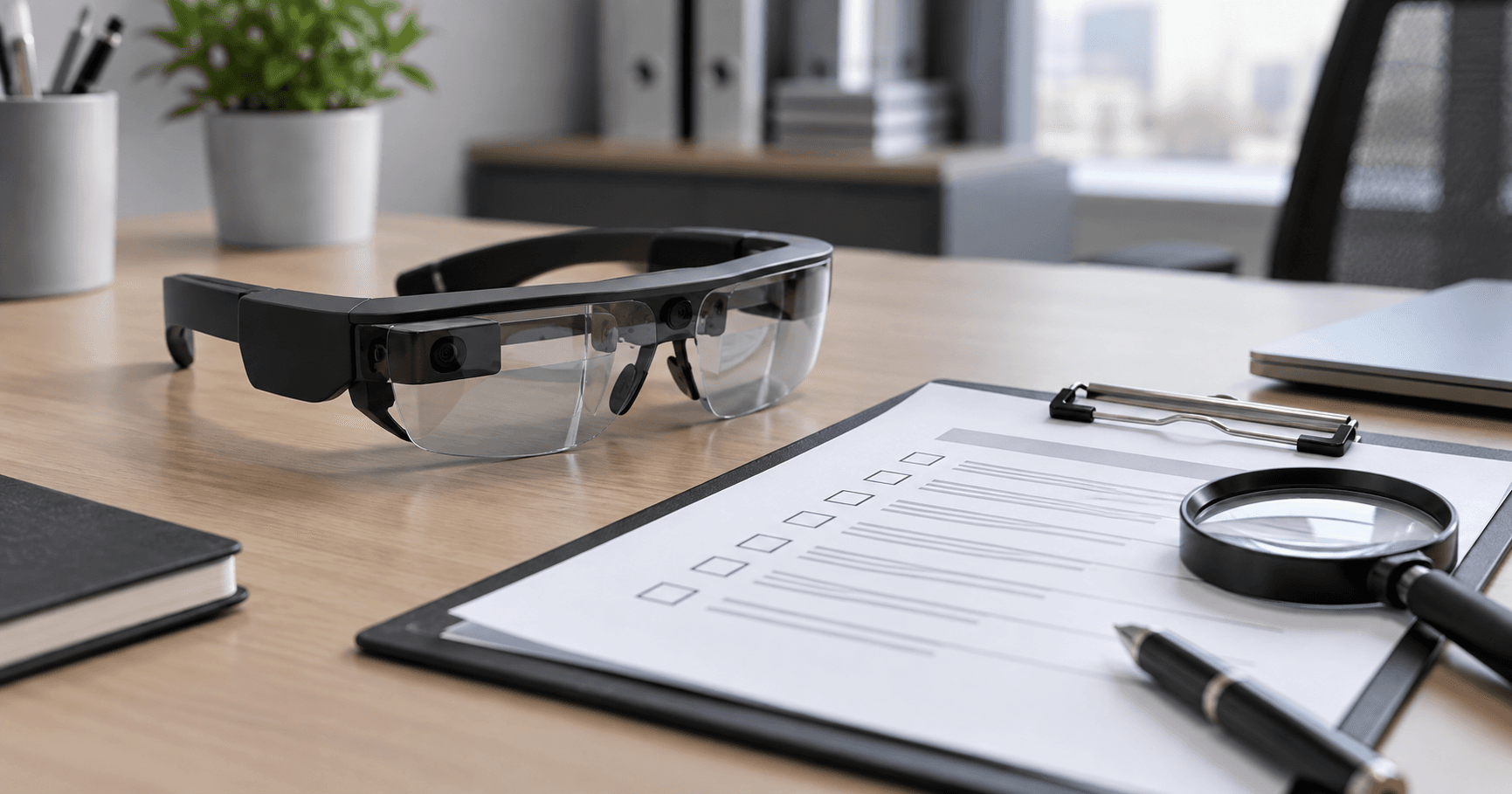
A CPSC recall was issued this week covering a pair of glasses found to pose an overheating hazard, part of the same week's broader XR news cycle alongside Samsung's FCC clearance and Meta's VR Glasses launch. A recall like this is a useful, if uncomfortable, reminder that AR and VR wearables are still genuinely new hardware categories operating close to a wearer's skin and eyes for extended periods, and that the consumer electronics safety standards governing phones and laptops are still catching up to a device category built around sustained, direct body contact in a way few other consumer electronics are.
This matters directly for any business currently evaluating AR or VR glasses for field service, training, or design review deployment at scale, since a hardware safety failure in a workplace context carries liability implications well beyond a simple product return. For PointZero's own client conversations, this is a genuinely useful prompt to build device safety certification directly into standard hardware evaluation criteria, alongside the usual comfort, battery life, and software ecosystem questions already part of most procurement checklists. Before recommending or deploying any specific device at enterprise scale, it's worth confirming the hardware has passed relevant safety certifications for extended wear, checking whether the manufacturer has a clean recall history, and building a basic incident reporting pathway into any pilot program from day one rather than treating hardware safety as something covered automatically by a reputable brand name. The broader lesson here isn't that AR and VR hardware is inherently unsafe, most devices operate without incident, it's that fleet-wide enterprise deployment of any wearable technology deserves the same genuine safety diligence a business would apply to industrial PPE, not the lighter scrutiny typically reserved for consumer gadgets.