
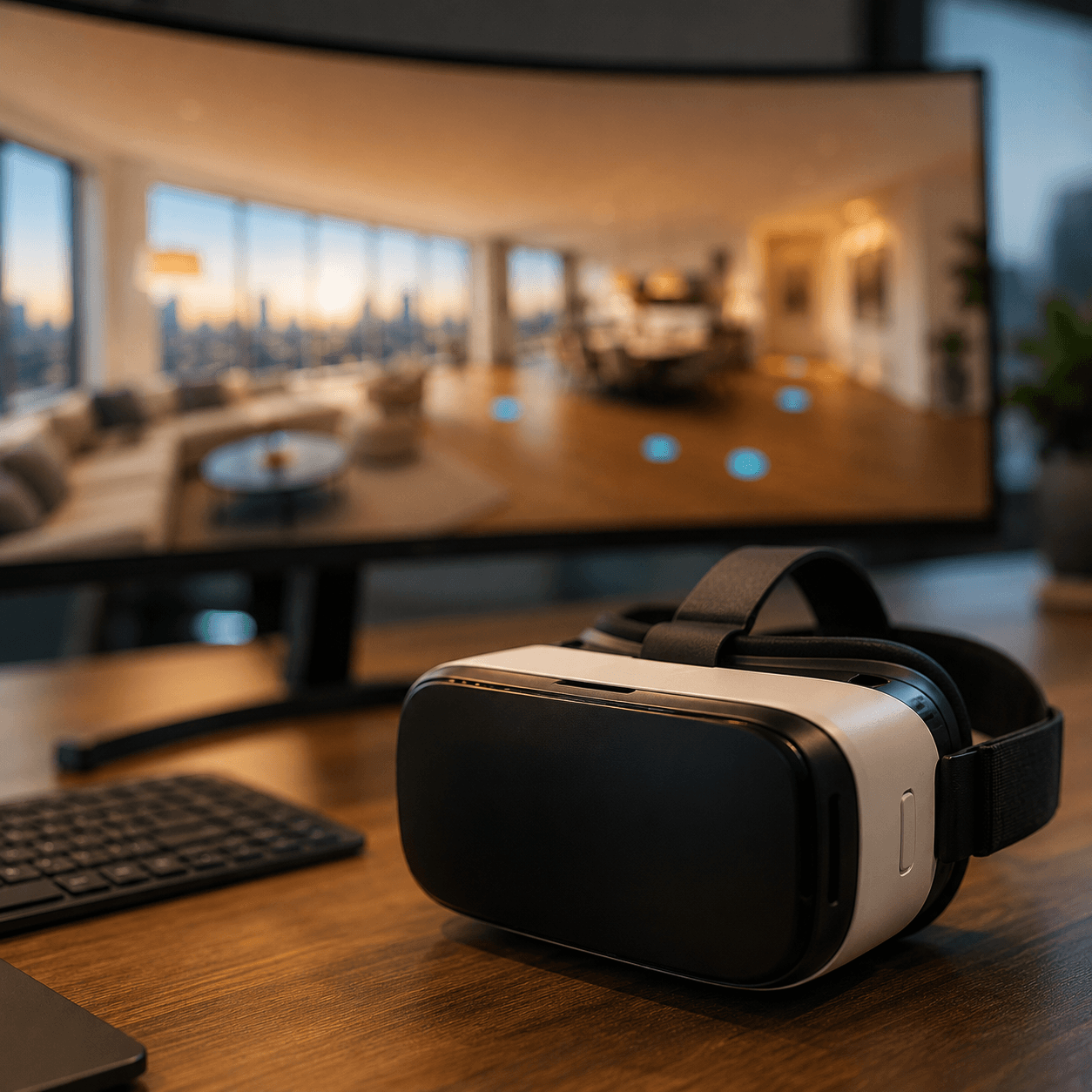
The VR/AR real estate market is projected to reach $80 billion by 2025, with roughly 1.4 million registered agents already using VR for client presentations, and 40.4% of apartment buyers saying panoramic tours influence their decision, while 72.7% rated the VR tour experience positively.
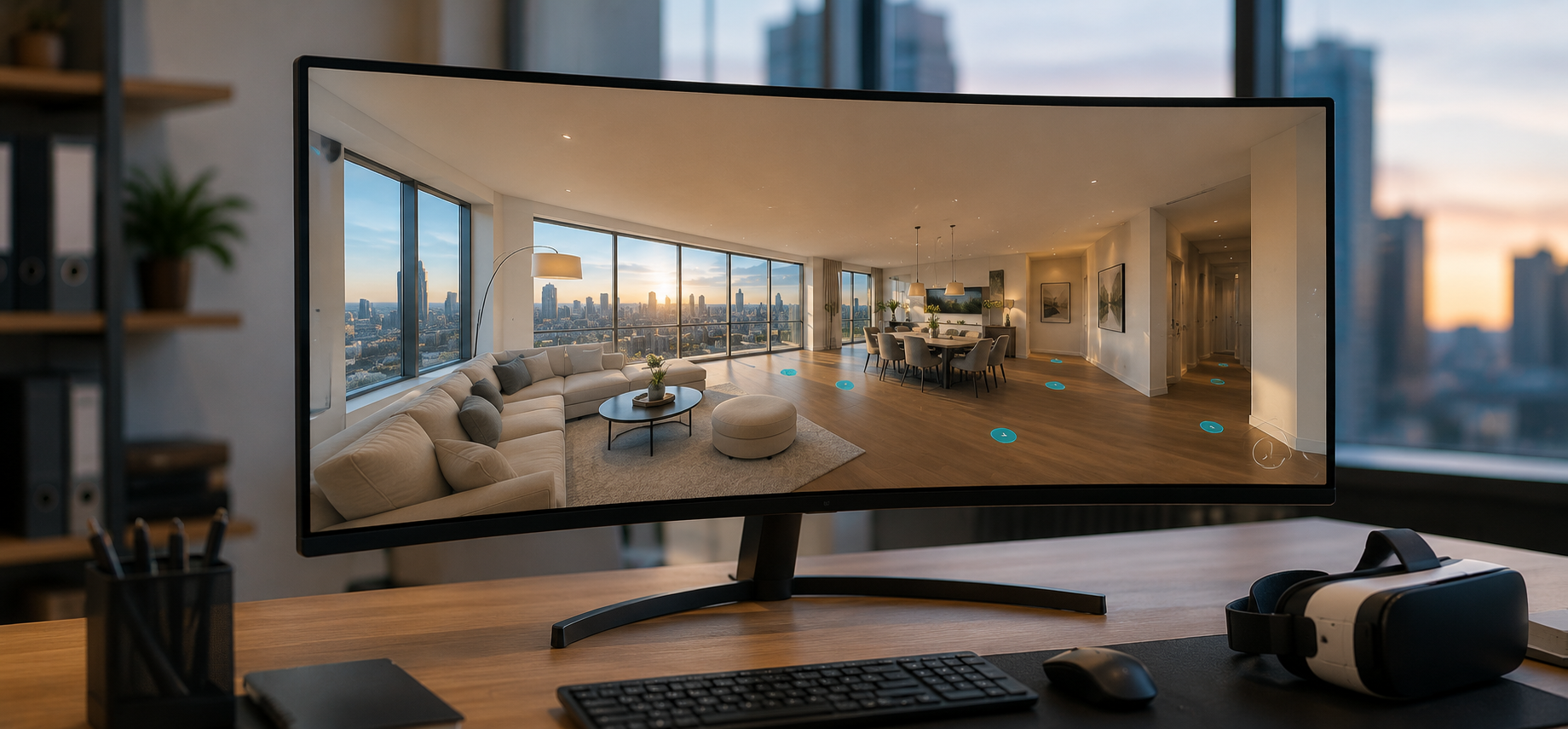
When 1.4 million registered real estate agents are already using VR for client presentations, the technology has clearly moved well past early adopter territory, and the specific buyer sentiment data behind that adoption, 40.4% of apartment buyers saying panoramic tours genuinely influence their decision, and 72.7% rating the experience positively, reveals exactly why agents are making that switch. This blog breaks down what this widespread agent adoption combined with strong buyer sentiment actually means for real estate professionals still relying primarily on traditional photography and in-person showings. It opens by explaining why agent adoption at this scale matters as a signal, since 1.4 million individual business owners and professionals independently choosing to add VR presentation tools to their workflow represents a genuinely bottom-up market validation, distinct from a technology being pushed top-down by a single large brokerage or platform, suggesting the practical value is real and consistently experienced across a huge number of individual client interactions. The piece walks through what the 40.4% influence figure specifically reveals about buyer decision-making, that a meaningful share of buyers are not simply enjoying panoramic tours as a nice-to-have feature but are letting that experience genuinely shape which properties they pursue further, a direct link between the technology and actual purchase behavior rather than just engagement or satisfaction. It covers why the 72.7% positive rating matters as a complementary data point, since strong buyer approval of the VR tour experience itself suggests agents adopting this technology aren’t trading off client satisfaction for efficiency, they’re improving both simultaneously, letting buyers screen more properties remotely while still walking away feeling genuinely informed and confident about what they saw.
A section will address what this data means practically for real estate professionals who haven’t yet adopted VR presentation tools, arguing that operating without this technology while nearly a million and a half competing agents already offer it creates a genuine, measurable competitive disadvantage, particularly for reaching remote, relocating, or time-constrained buyers who increasingly expect to screen properties virtually before committing to an in-person visit. The blog also touches on why apartment and multi-unit buyers specifically show such strong responsiveness to this format, since panoramic tours are especially effective at conveying the compact spatial relationships that matter most in smaller living spaces, information static photography consistently struggles to communicate clearly. Real estate VR adoption, buyer decision influence, and panoramic tour effectiveness are the throughlines here, using verified adoption and sentiment data to make a genuinely direct case for why VR presentation has become standard real estate practice.