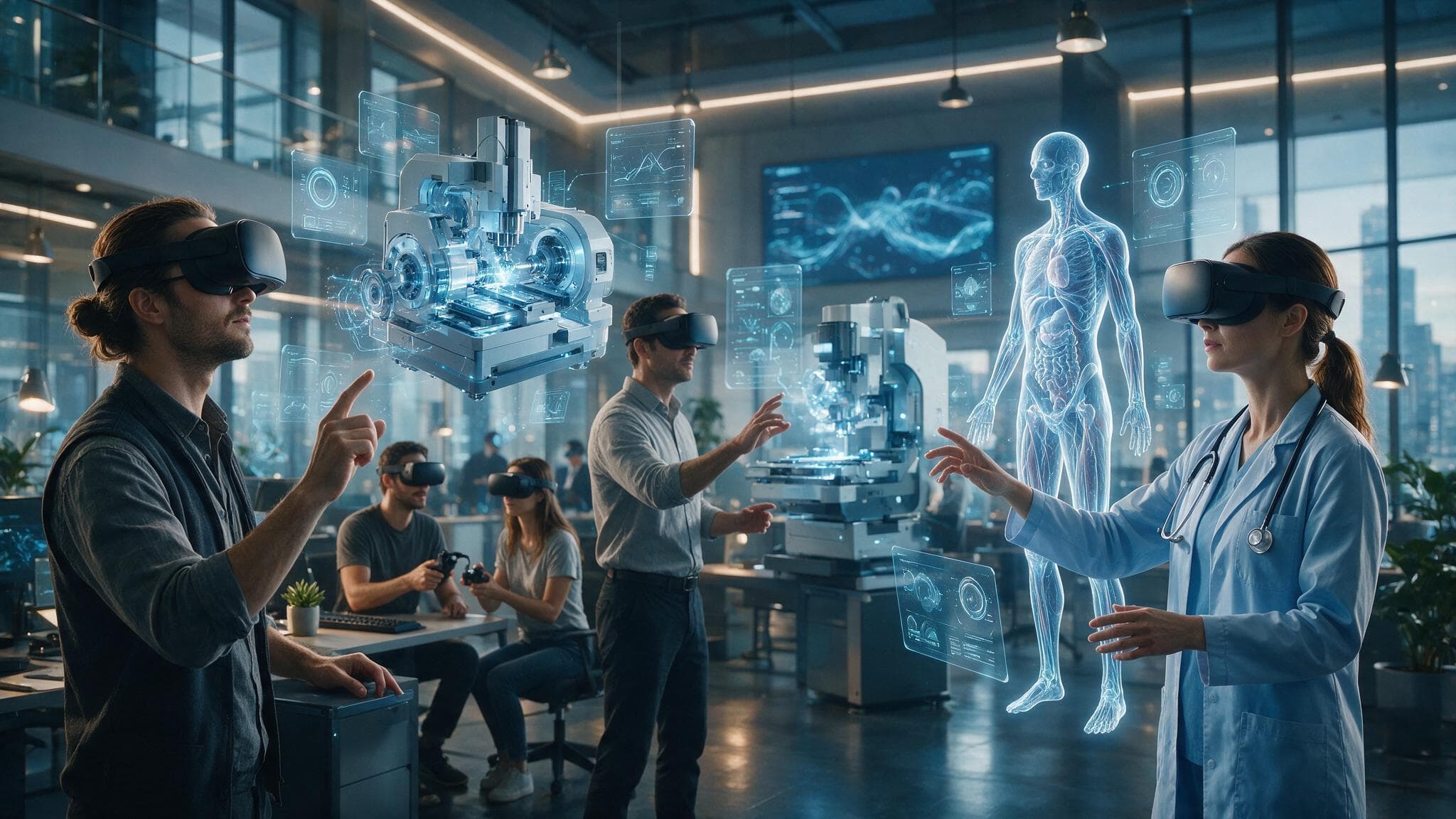

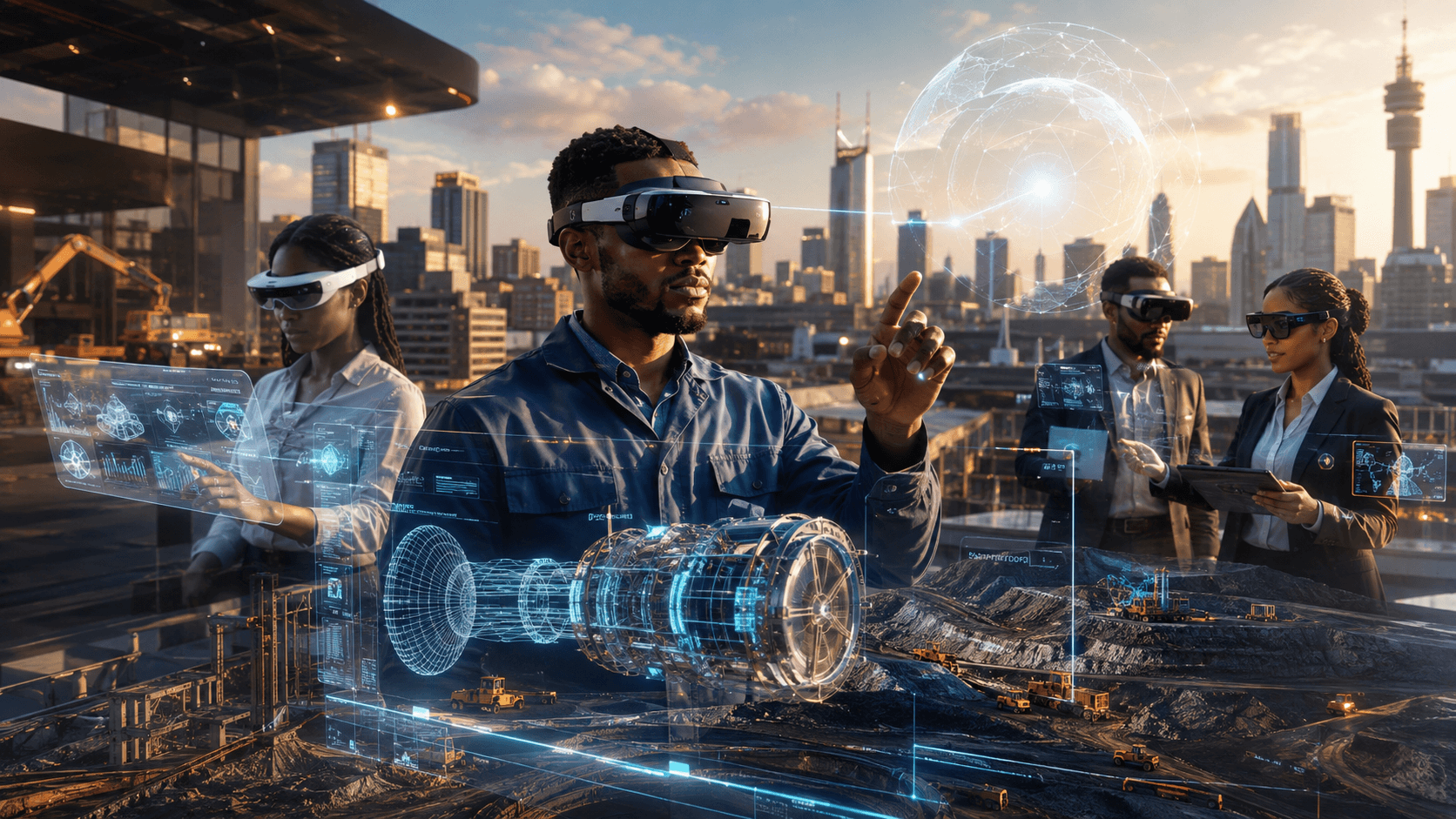
South Africa’s AR/VR ecosystem is rapidly evolving, transforming how businesses, institutions, and consumers interact with digital technology. The country’s Augmented and Virtual Reality market is projected to grow from USD 330.8 million in 2026 to USD 686.4 million by 2031, representing a 12.9% CAGR. This growth reflects increasing demand for immersive digital experiences across industries, with AR enhancing real-world environments through digital information and VR creating fully simulated environments. Together, these technologies are creating opportunities for training, simulation, visualization, collaboration, and customer engagement. One of the strongest growth drivers is enterprise adoption, particularly in industries such as mining and manufacturing, where VR can support realistic employee training, equipment simulations, maintenance, product design, and workplace safety without exposing employees to operational risks. AR can provide workers with real-time digital instructions and information while they perform tasks. The financial services sector can also benefit through virtual collaboration, customer experiences, visualization, and employee training. Meanwhile, improving digital infrastructure, private-sector investment, and expanding 5G connectivity are creating better conditions for AR/VR deployment, particularly for applications requiring fast data transmission and low latency.
The market is also benefiting from lower hardware costs, growing access to AR glasses, VR headsets, sensors, displays, and tracking systems, as well as the development of local technology talent and innovation ecosystems. South Africa is increasingly positioning itself as a regional technology and innovation hub, creating opportunities for startups and global technology companies to develop solutions for African markets. The ecosystem includes marker-based, markerless, and anchor-based AR, along with non-immersive, semi-immersive, and fully immersive VR experiences. Key hardware categories include head-mounted displays, head-up displays, projectors, display walls, cameras, sensors, and tracking systems, with head-mounted displays (HMDs) identified as a fast-growing device segment. AR/VR applications extend across aerospace and defense, automotive, commercial, consumer, energy, enterprise, healthcare, retail, education, entertainment, and gaming. Healthcare can benefit from medical visualization and simulation, while retail can create interactive shopping experiences and education can use VR for realistic training environments. Remote collaboration is another important enterprise opportunity, allowing teams in different locations to interact with shared virtual environments and digital models. The combination of AR, VR, artificial intelligence, cloud computing, sensors, and 5G could further expand immersive applications, while partnerships between local technology companies and global technology providers may accelerate adoption. For investors and technology companies, South Africa represents an emerging opportunity in immersive technology, and continued investment, innovation, and improving infrastructure could make AR and VR important technologies in the country’s next phase of digital transformation.