

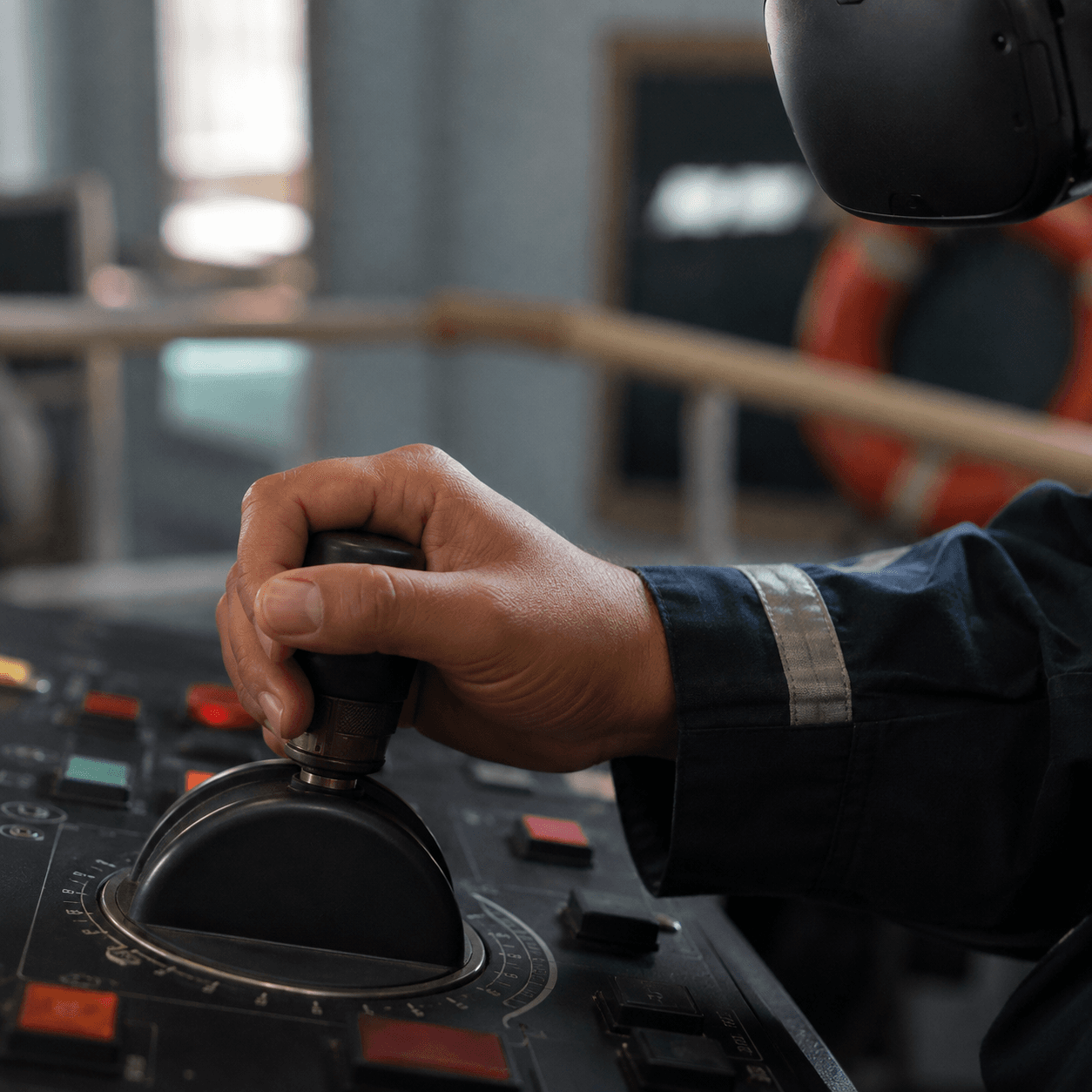
OpenGate Capital has signed a definitive agreement to acquire Maersk Training and its Maersk H2S Safety Services subsidiary from A.P. Møller-Maersk, a carve-out expected to close later in 2026. Maersk Training employs nearly 700 people worldwide and delivers safety training through instructor-led, digital, and VR-enabled formats across energy, maritime, and renewables.
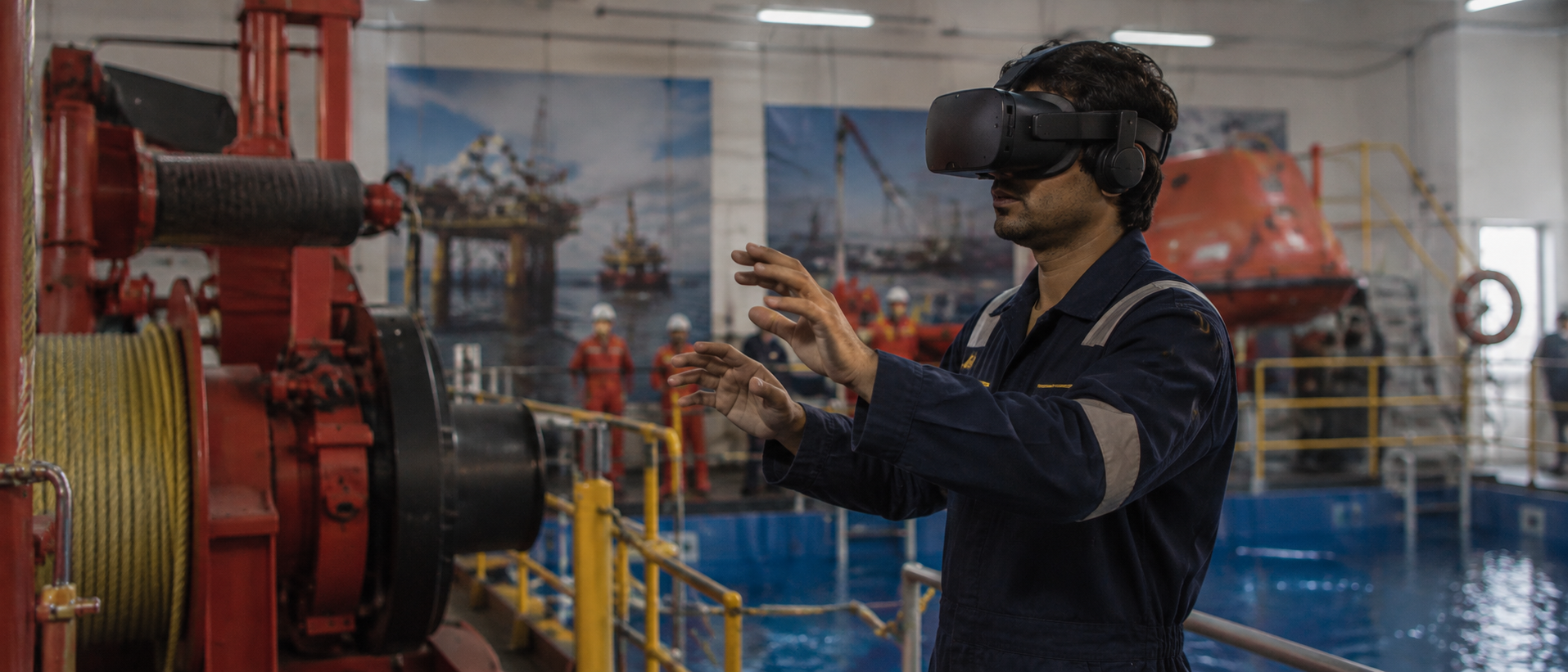
When a private equity firm specializing in complex corporate carve-outs acquires a 40-plus-year-old, nearly 700-employee global safety training provider, that decision reveals genuine confidence in the underlying business, not the kind of bet a firm focused on operational improvement and growth makes on a shaky asset. This blog explores what this acquisition means for the maritime, offshore energy, and renewables companies that rely on Maersk Training’s VR-enabled safety programs, and why this kind of ownership change is generally a positive signal rather than a disruption to watch nervously. It opens by explaining OpenGate’s stated approach, a firm with more than 40 platform acquisitions across Europe and North America focused specifically on operational improvement rather than asset stripping, meaning the strategic intent here is expanding and strengthening Maersk Training’s existing safety and VR training capability, not diminishing it. The piece walks through why being carved out from a much larger shipping and logistics conglomerate could genuinely benefit the training business itself, since a dedicated, standalone owner with a strategic focus specifically on safety services can direct investment and attention toward VR training innovation and geographic expansion in ways that were likely competing for resources and priority within Maersk’s much broader corporate structure. It covers what customers, employees, and partners should actually expect during the transition, referencing the company’s own confirmation that normal operations continue unchanged until the deal formally closes, with no immediate disruption to existing training programs, contracts, or safety service delivery.
A section will address why this acquisition matters as a broader signal for the immersive safety training category, since private equity investment in an established VR-enabled training provider reflects genuine confidence that demand for this kind of safety training will keep growing across energy, maritime, and renewable sectors, rather than treating VR safety training as a temporary trend worth exiting. The blog also touches on what businesses currently using or evaluating Maersk Training’s services should watch for as the deal progresses, noting that standalone, dedicated ownership often accelerates product development and market expansion compared to being one training division within a much larger, differently focused parent company. VR safety training acquisitions, maritime and energy workforce training, and industrial safety services consolidation are the throughlines here, explaining why this ownership change is worth understanding rather than worrying about for existing and prospective clients.