

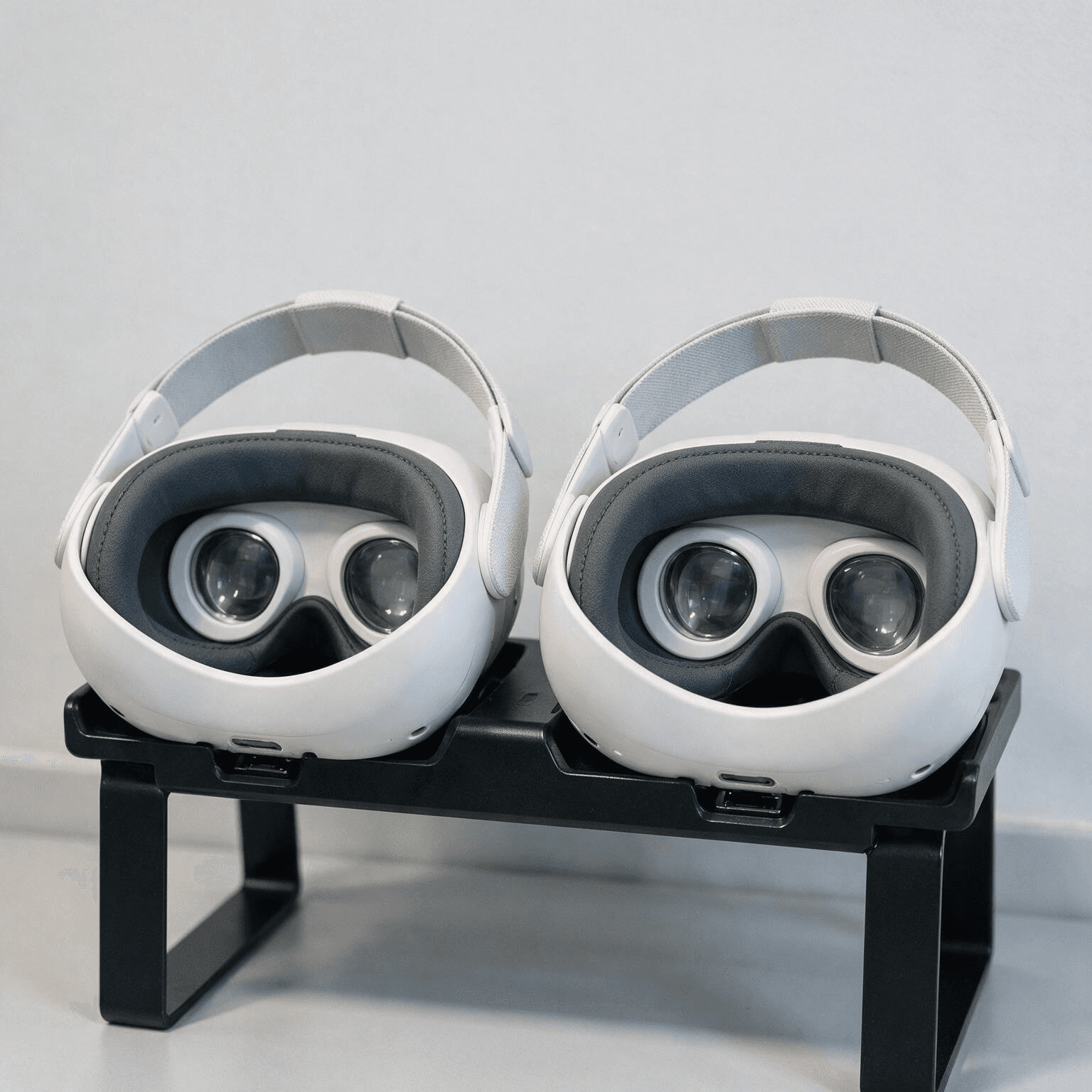
DPVR, a global VR hardware developer and manufacturer, announced pricing and availability details this week for its latest headset lineup, part of the company’s continued push to serve budget-conscious consumer and enterprise VR buyers.
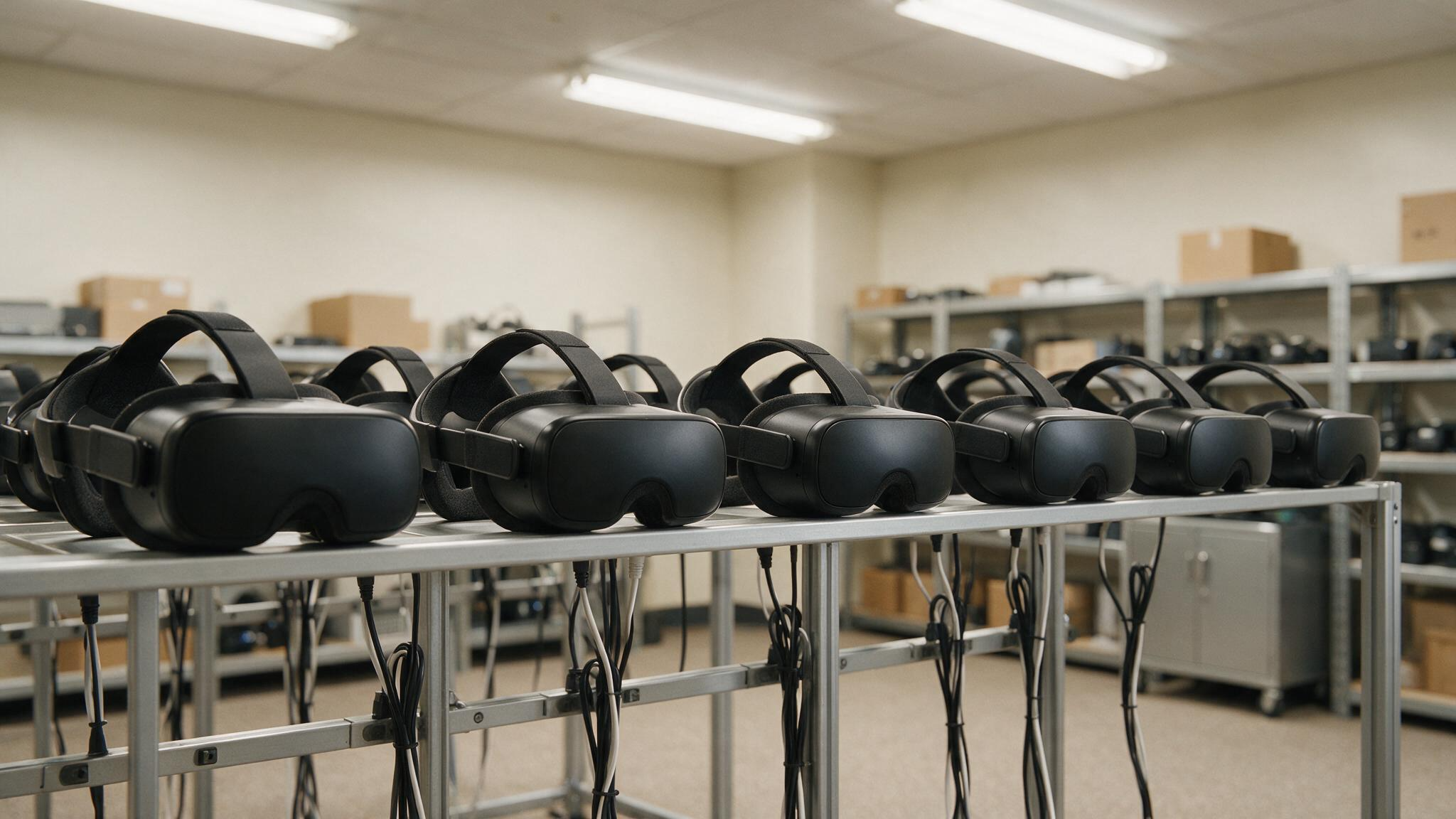
While much of the VR headset conversation focuses on premium devices from Meta, Samsung, and Apple, a meaningful share of enterprise VR deployment, especially for large-scale training rollouts where per-unit cost multiplies quickly across hundreds or thousands of trainees, depends on more budget-conscious hardware makers like DPVR, and this week’s pricing announcement is worth understanding for exactly that reason. This blog breaks down why budget-tier VR hardware announcements deserve genuine attention from enterprise buyers, not just premium flagship launches, and what to actually evaluate when a lower-cost headset option becomes available. It opens by explaining the specific role budget-tier VR hardware plays in enterprise deployment that premium devices generally cannot fill as effectively, since large-scale training rollouts, hundreds of frontline workers, entire dealership networks, distributed retail locations, depend heavily on per-unit cost staying low enough that outfitting an entire workforce remains financially realistic, a very different calculation than outfitting a small team of designers or executives with premium headsets. The piece walks through what enterprise buyers should specifically evaluate when a new budget-tier headset pricing announcement arrives, covering not just the headline price but genuine considerations like display quality sufficient for the actual training content being delivered, comfort for the realistic session lengths trainees will actually use it for, and confirmed compatibility with the content authoring and deployment platforms a business already relies on. It covers why price alone shouldn’t be the only factor driving a budget-tier hardware decision, since a headset that’s cheap per unit but proves unreliable or uncomfortable at scale ultimately costs more in support overhead, replacement units, and abandoned adoption than a slightly pricier but genuinely dependable alternative.
A section will address the broader budget planning value of tracking pricing announcements from multiple hardware tiers simultaneously, arguing that enterprise buyers benefit from comparing premium, mid-tier, and budget hardware options against their specific use case requirements rather than defaulting to whichever brand generates the most headlines, since the right hardware choice depends entirely on deployment scale and content demands rather than brand prominence alone. The blog also touches on why continued investment and new pricing from budget-tier hardware makers matters for the broader enterprise VR adoption curve, since affordable, dependable hardware options are often what actually determines whether a large-scale training rollout is financially viable at all, regardless of how compelling the training content itself might be. Budget enterprise VR hardware, large-scale training rollout costs, and multi-tier headset evaluation are the throughlines here, making the case that budget-tier hardware announcements deserve the same careful evaluation as premium device launches.