

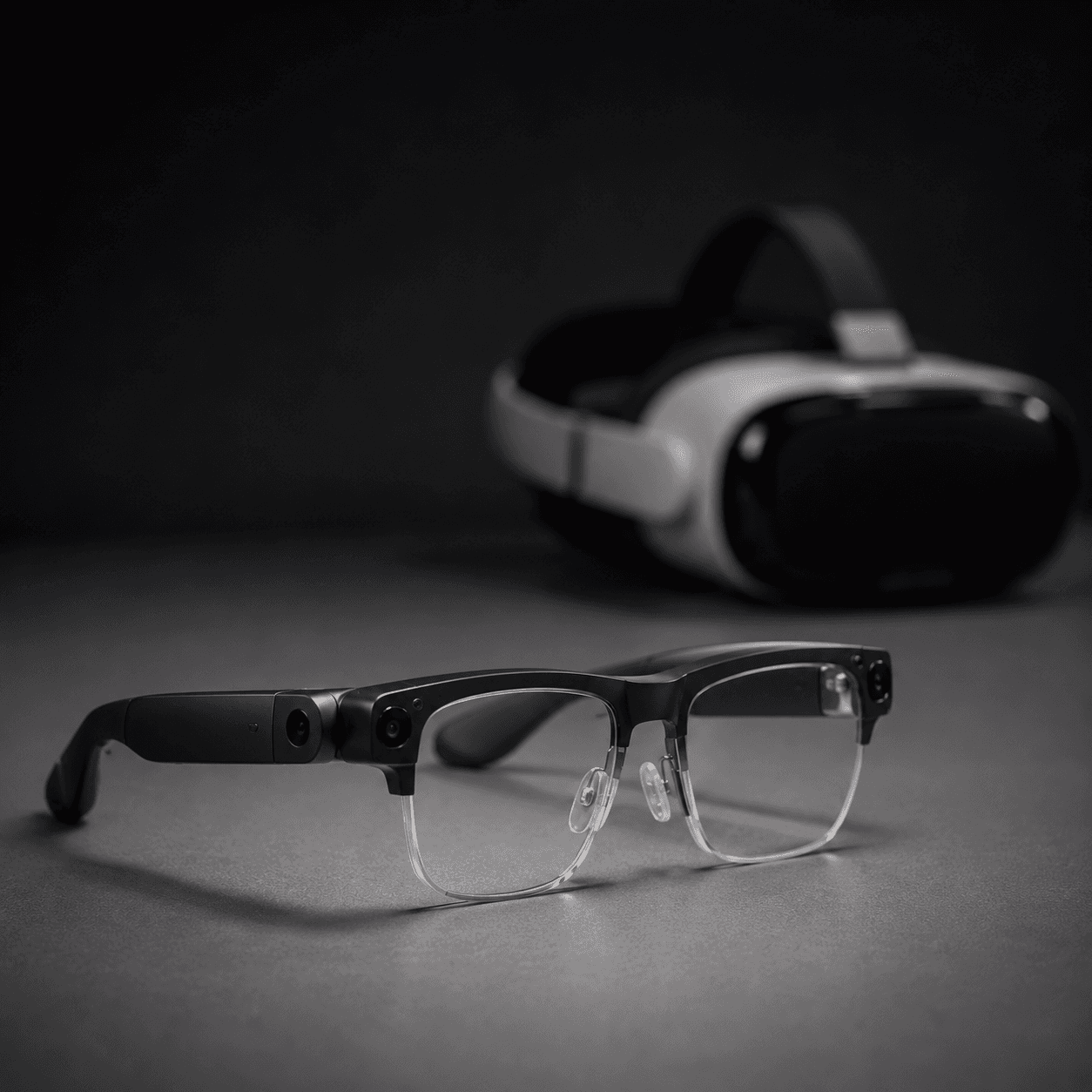
Global XR device shipments grew 44.4% in 2025, but VR and mixed-reality headsets declined across the same period, with every point of category growth coming from smart glasses, according to IDC.
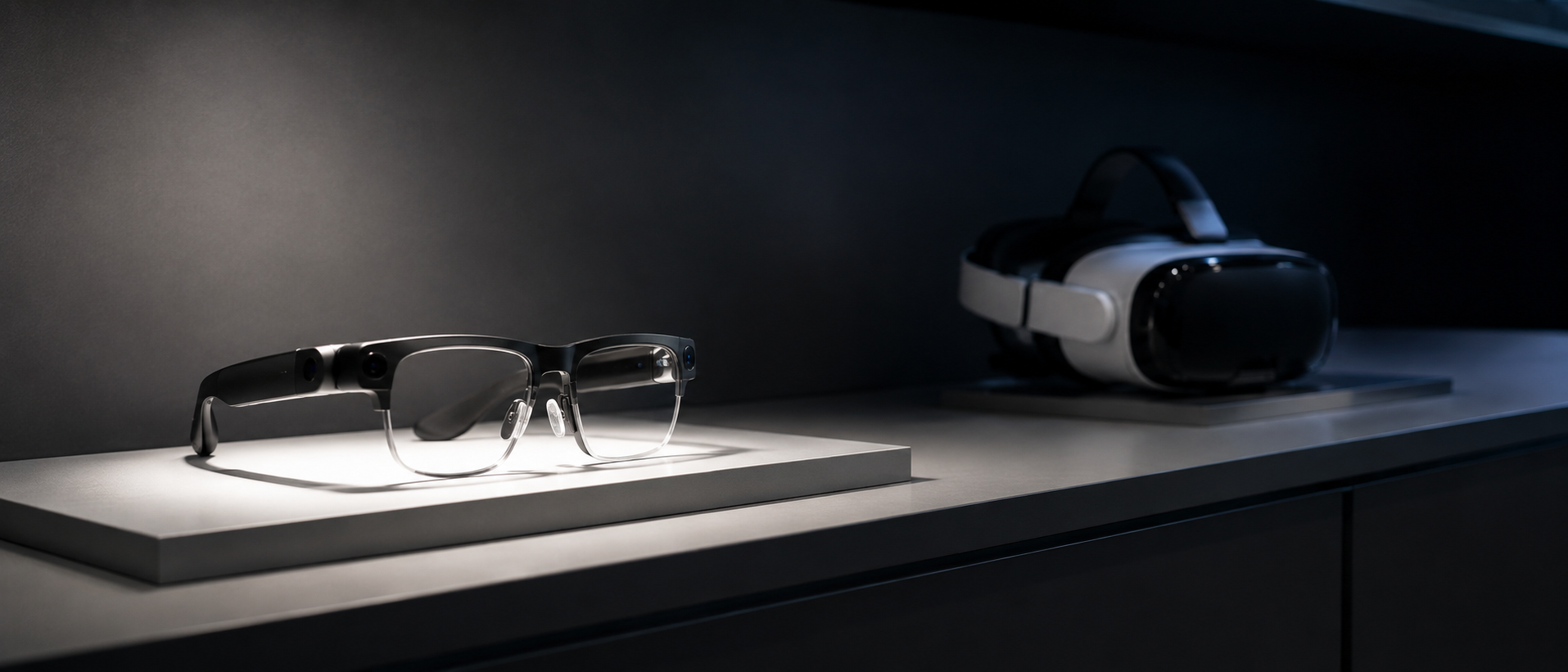
A headline growth figure like 44.4% sounds like unambiguous good news for the entire XR category, until you look at where that growth actually came from, and discover that VR and mixed-reality headset shipments declined over the exact same period, with smart glasses alone accounting for the industry’s entire net growth. This blog breaks down what this genuinely important nuance means for businesses trying to understand where actual market momentum sits within the broader XR category, rather than treating “XR growth” as a single undifferentiated trend. It opens by explaining why this distinction matters so much for any business currently planning hardware-dependent AR or VR strategy, since headline category growth figures can mask genuinely divergent trends within a broad technology grouping, and a business planning content or investment around VR headsets specifically needs to understand that the category’s overall growth narrative does not actually apply to the specific hardware segment they’re building for. The piece walks through the likely explanations for this divergence, covering how smart glasses’ lower price points, lighter form factor, and simpler, more familiar everyday use cases are proving considerably more accessible to mainstream buyers than the more expensive, bulkier, and more behaviorally demanding VR and mixed-reality headset category, which continues to ask more of both a buyer’s wallet and their willingness to adopt genuinely new usage patterns. It covers what this means specifically for businesses currently building or planning VR headset-based training, visualization, or brand experiences, arguing that a declining headset shipment trend doesn’t necessarily mean declining value for well-targeted enterprise VR applications, since enterprise and training use cases have always operated somewhat independently of broader consumer hardware sales trends, but it does mean businesses should factor slower consumer headset market growth into any strategy that depends on rising consumer headset ownership.
A section will address what this data means for smart glasses specifically as the category actually driving current XR growth, reinforcing that businesses evaluating where to prioritize their own AR content investment should weight that decision toward the hardware segment where genuine momentum currently exists, rather than assuming VR headsets remain the default center of gravity for the broader XR market simply because that’s where the category’s history and most established use cases originated. The blog also touches on why this kind of granular, honest market data matters more than broad category headlines for genuinely informed strategic planning, since treating “XR” as a single monolithic category obscures exactly the kind of divergent trend businesses most need to understand before committing budget. XR market segmentation, smart glasses versus VR headset growth, and hardware-informed content strategy are the throughlines here, using precise shipment data to correct a common oversimplification about where XR growth is actually happening.