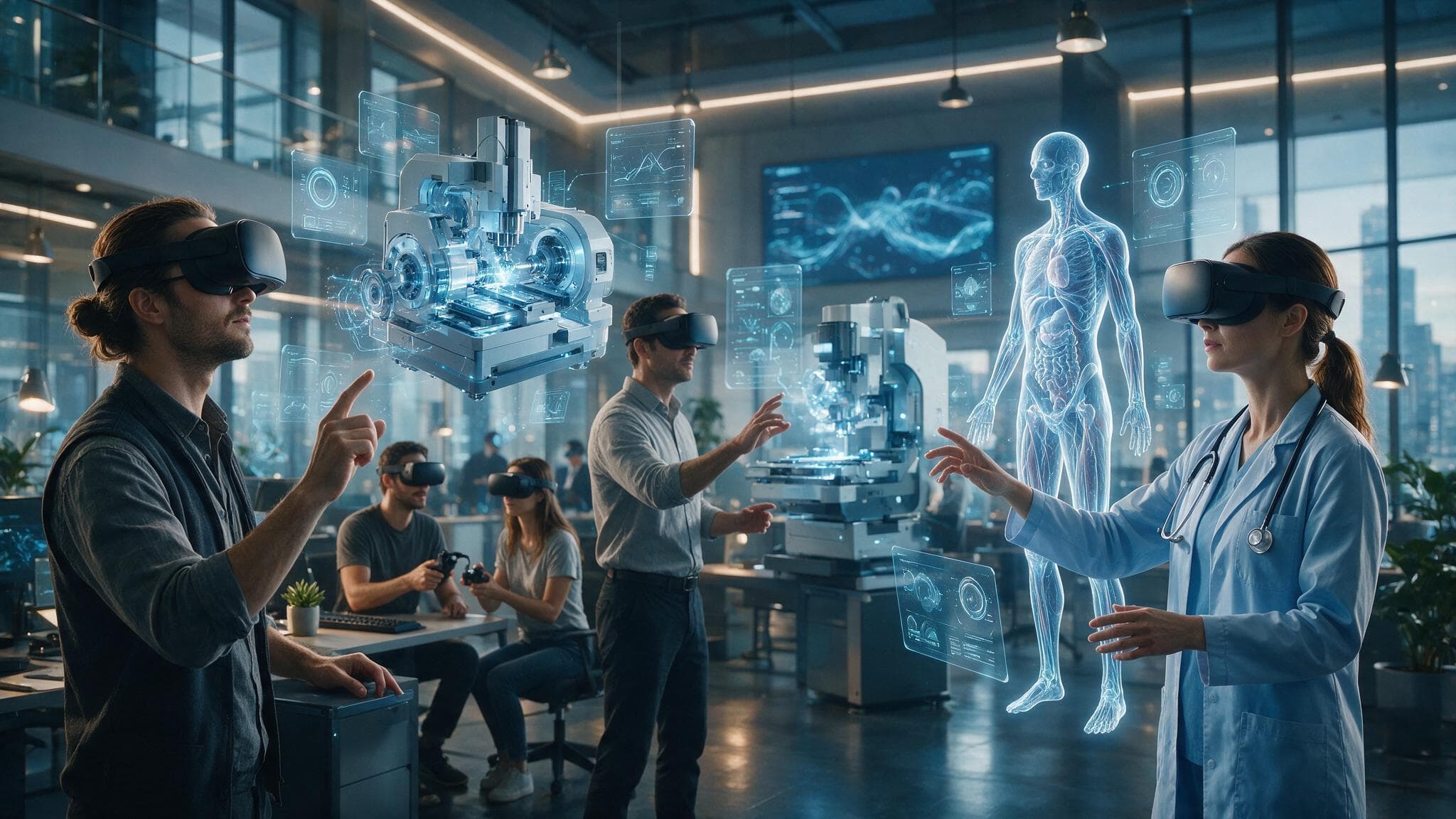

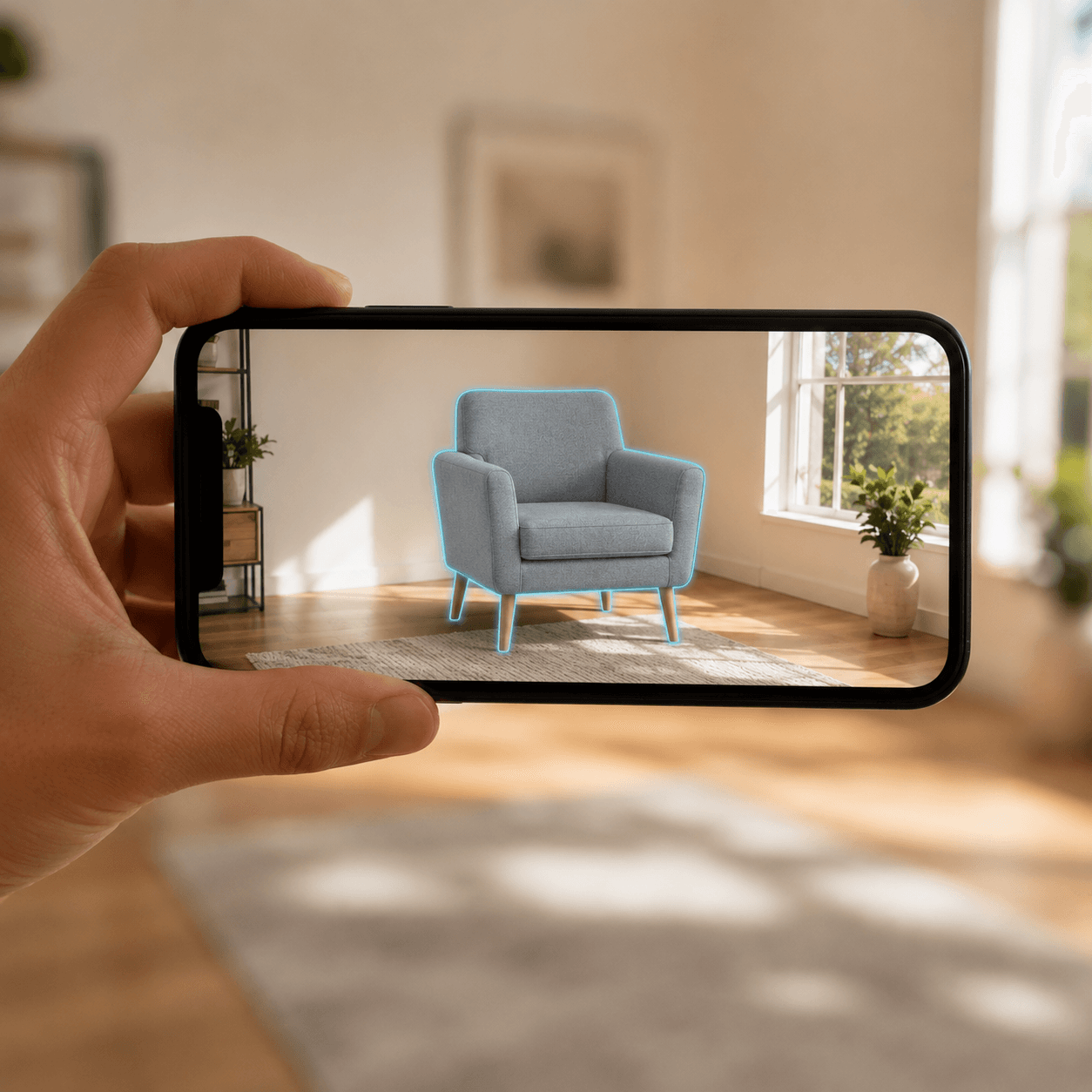
Industries where visualization influences buying decisions benefit the most from AR and VR marketing, including real estate, fashion, beauty, home improvement, automotive, tourism, and B2B equipment sectors, with AR filters, interactive previews, and virtual try-ons increasing engagement rates and time spent interacting with content on social platforms.

Not every product category benefits equally from AR marketing, and understanding exactly why some industries see dramatically stronger results than others comes down to a single, simple diagnostic question every brand can ask about their own products, “how will this look or work?” This blog breaks down why that specific question is the clearest predictor of AR marketing effectiveness, and why industries including real estate, fashion, beauty, home improvement, automotive, tourism, and B2B equipment consistently see the strongest returns from immersive marketing investment. It opens by explaining the underlying psychological mechanism this pattern reflects, that AR and VR marketing works best when it resolves genuine buyer uncertainty rather than simply adding a novel interactive layer to a purchase decision that was already straightforward, meaning the technology’s value is directly tied to how much uncertainty exists in a typical buyer’s mind before purchase. The piece walks through why each of the named industries fits this pattern so clearly, covering how fashion and beauty buyers constantly face fit, color, and appearance uncertainty that a flat product photo cannot resolve, how home improvement and furniture buyers need to know precisely how an item will look and fit in their specific physical space, and how B2B equipment buyers need to understand scale, placement, and operational fit in ways a spec sheet or catalog photo simply cannot convey. It covers what this means practically for brands outside these obviously visualization-heavy categories, arguing that the diagnostic test matters more than the industry label itself, so any business, regardless of sector, should ask whether their own customers regularly express that same “how will this look or work” uncertainty before applying AR marketing budget rather than assuming the technology only benefits the categories most commonly associated with it.
A section will address the specific engagement data behind this pattern, noting that AR filters, interactive previews, and virtual try-ons measurably increase both engagement rates and time spent interacting with content on social platforms, giving marketing teams a concrete metric beyond simple novelty appeal to justify continued AR investment. The blog also touches on why this framework matters for prioritizing AR marketing budget across multiple product lines within the same company, since even within a single business, some products will fit the high-uncertainty pattern far more clearly than others, and AR investment should follow that uncertainty rather than being applied uniformly. AR marketing ROI, visualization-driven purchase decisions, and immersive social media engagement are the throughlines here, giving marketing teams a genuinely practical framework for deciding where AR investment will actually move the needle.