

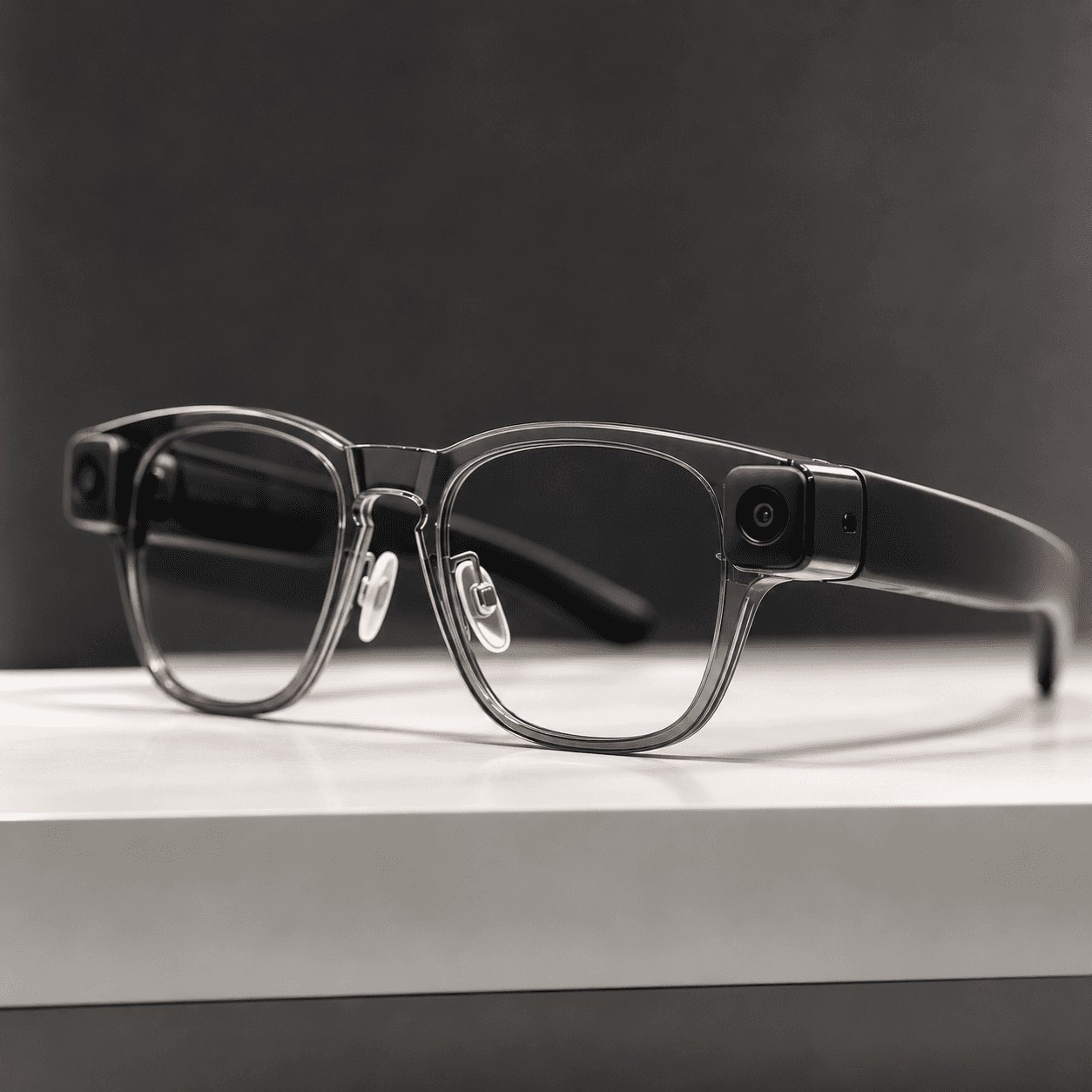
HTC’s Vive Eagle AI smart glasses are now available for preorder in the US through Amazon, priced at $499 with units shipping September 1, 2026, landing $200 above the entry-level Ray-Ban Meta.
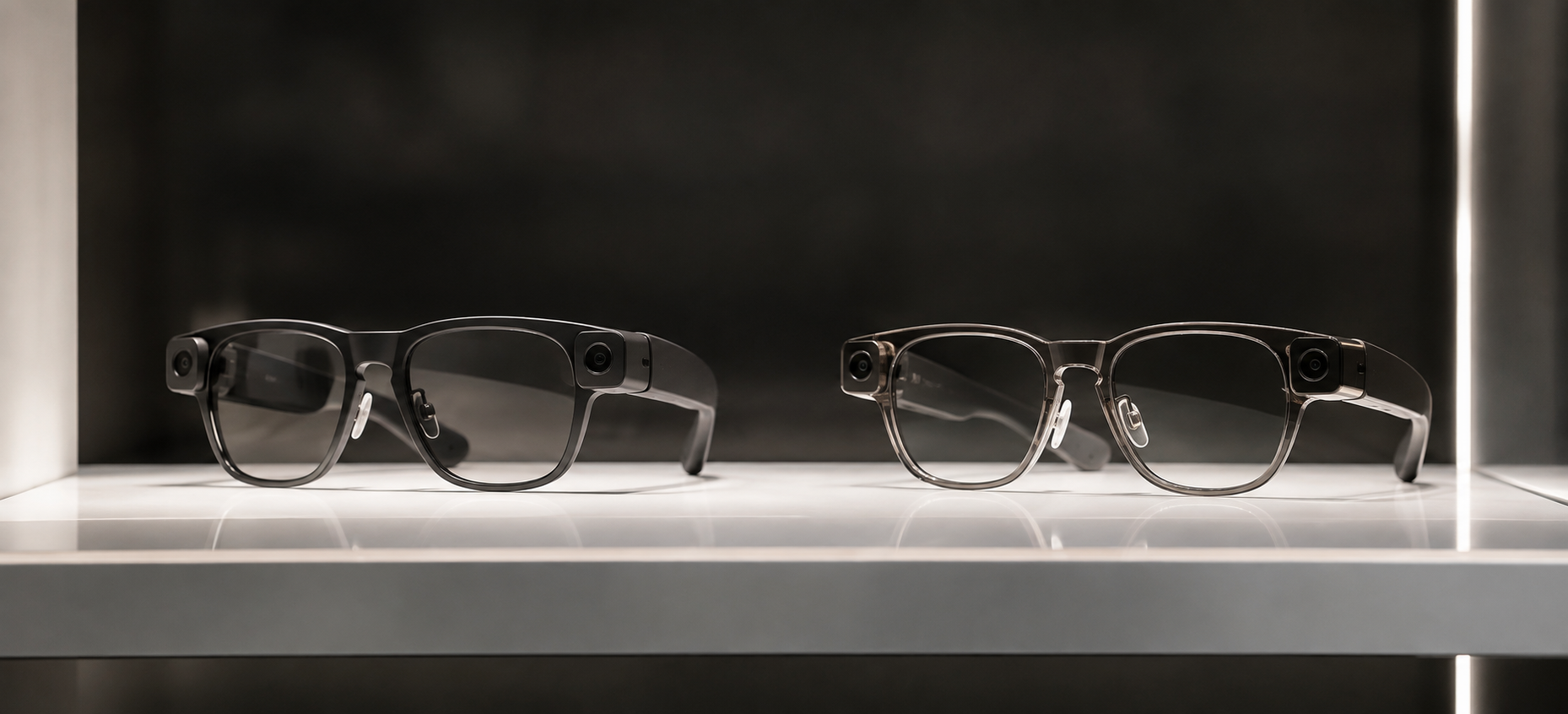
A $200 price gap between two competing smart glasses is a genuinely significant difference at this price tier, and the central question HTC now has to answer publicly is exactly what that premium buys a customer beyond the privacy positioning the company has leaned on. This blog explores what HTC’s pricing decision reveals about its competitive strategy, and what businesses evaluating smart glasses platforms should look for to determine whether that premium is actually justified. It opens by explaining why this pricing gap matters so much in a category where Ray-Ban Meta has already established the dominant reference price point for mainstream buyers, meaning any competitor pricing meaningfully above that benchmark needs a genuinely compelling, clearly communicated reason for the difference rather than relying on brand recognition alone. The piece walks through the privacy positioning HTC has emphasized as part of its value proposition, and explains why privacy claims alone are rarely sufficient to justify a sustained price premium unless paired with concrete, verifiable differences in hardware capability, build quality, or software experience that a buyer can actually perceive and value once wearing the device day to day. It covers what businesses evaluating smart glasses platforms for their own AR content or brand experiences should specifically look for when comparing devices at different price points, including display quality, battery life, comfort for extended wear, and depth of software ecosystem support, rather than assuming a higher price automatically signals a superior product.
A section will address why the September 1st shipping date matters for planning purposes, giving businesses currently scoping smart glasses content or pilot programs a concrete timeline to factor into their own platform evaluation and budget planning for the remainder of 2026. The blog also touches on what this pricing move signals about the broader smart glasses market’s maturity, arguing that genuine price competition and differentiated positioning among multiple serious hardware makers is a sign of a market moving past its early, single-dominant-player phase, even if it also means buyers now have real due diligence work to do before committing to any one platform. Smart glasses pricing strategy, competitive AR hardware positioning, and platform evaluation criteria are the throughlines here, using a specific pricing decision to give businesses a genuinely useful framework for comparing competing smart glasses platforms.