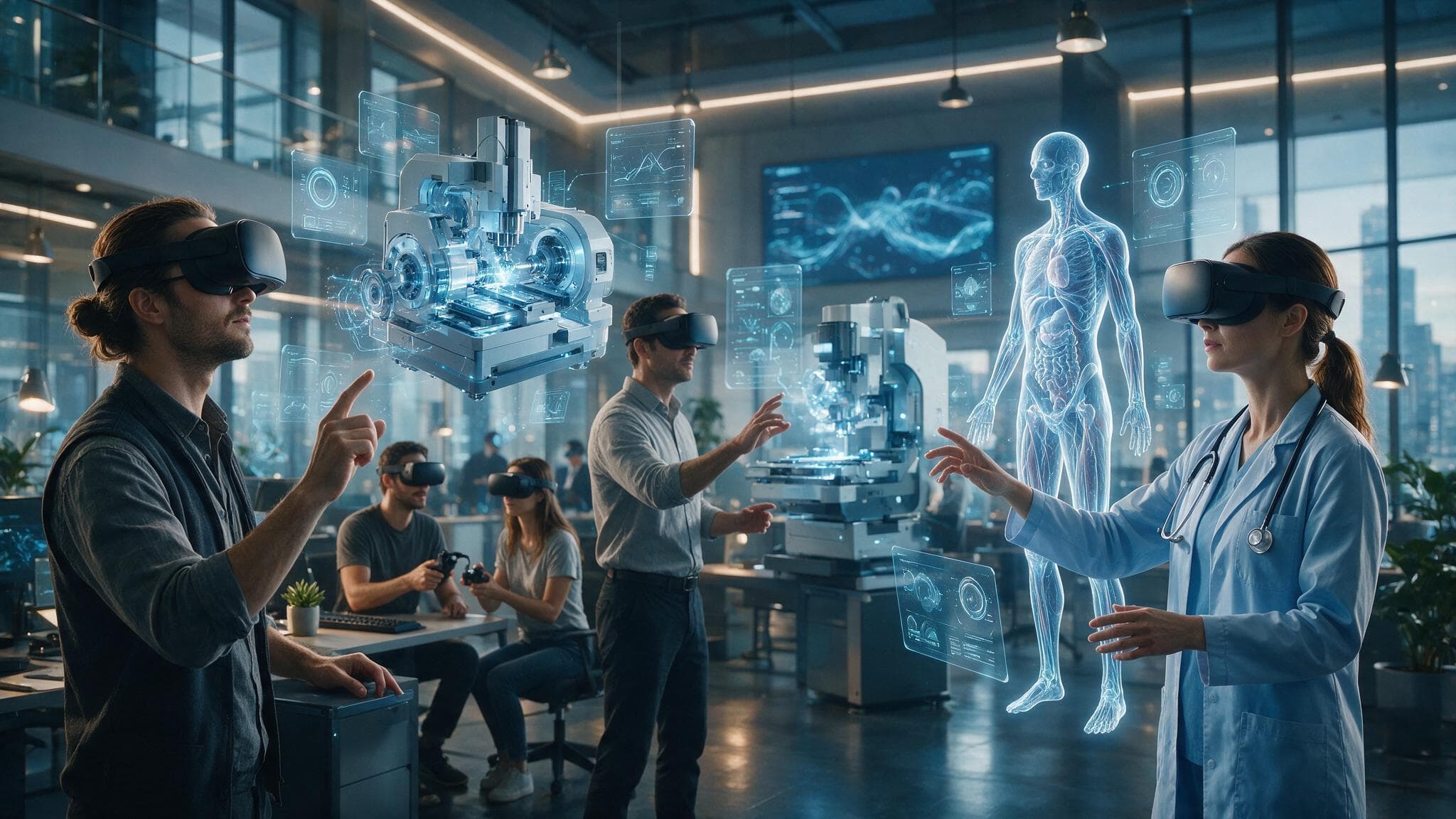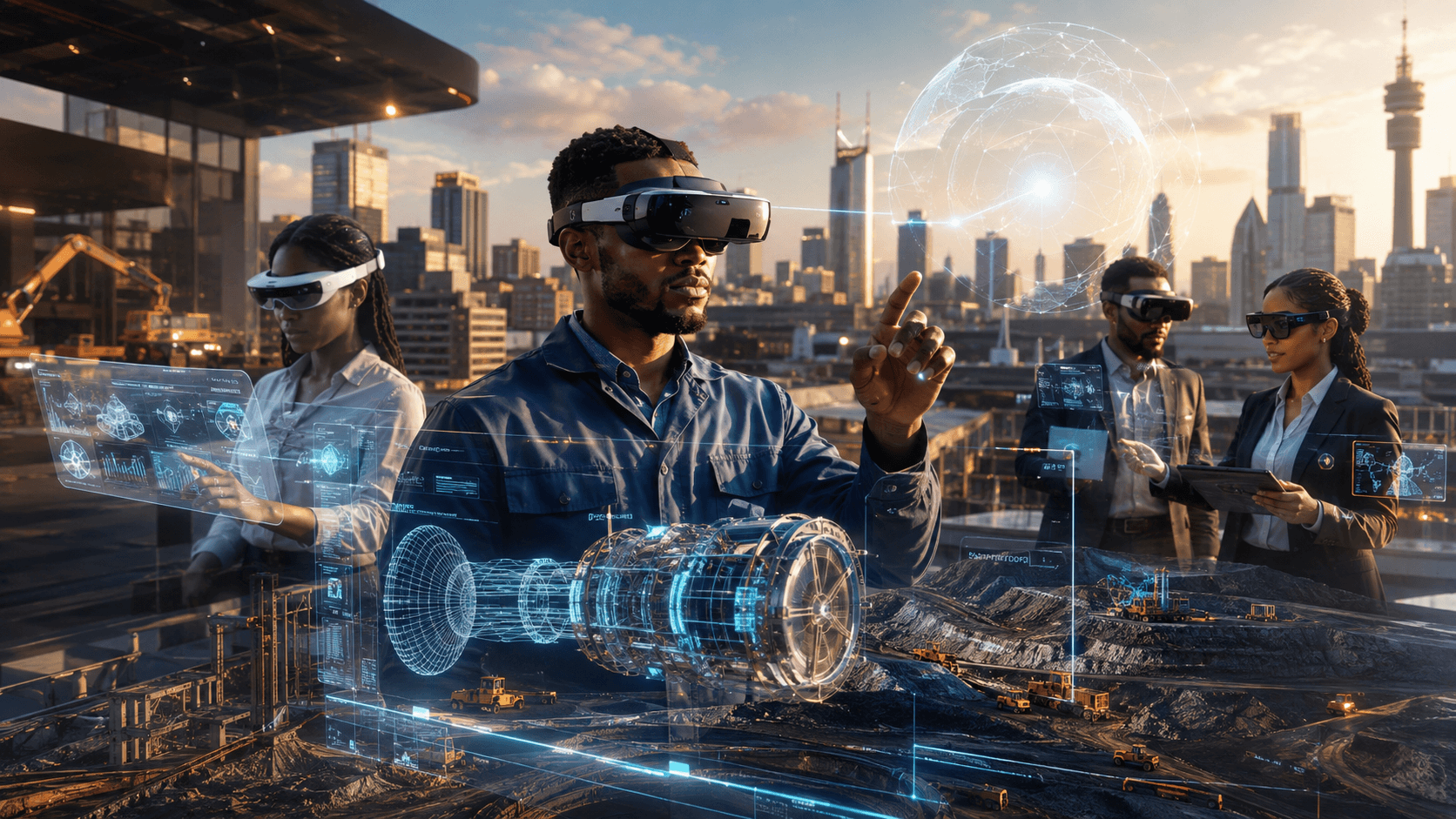

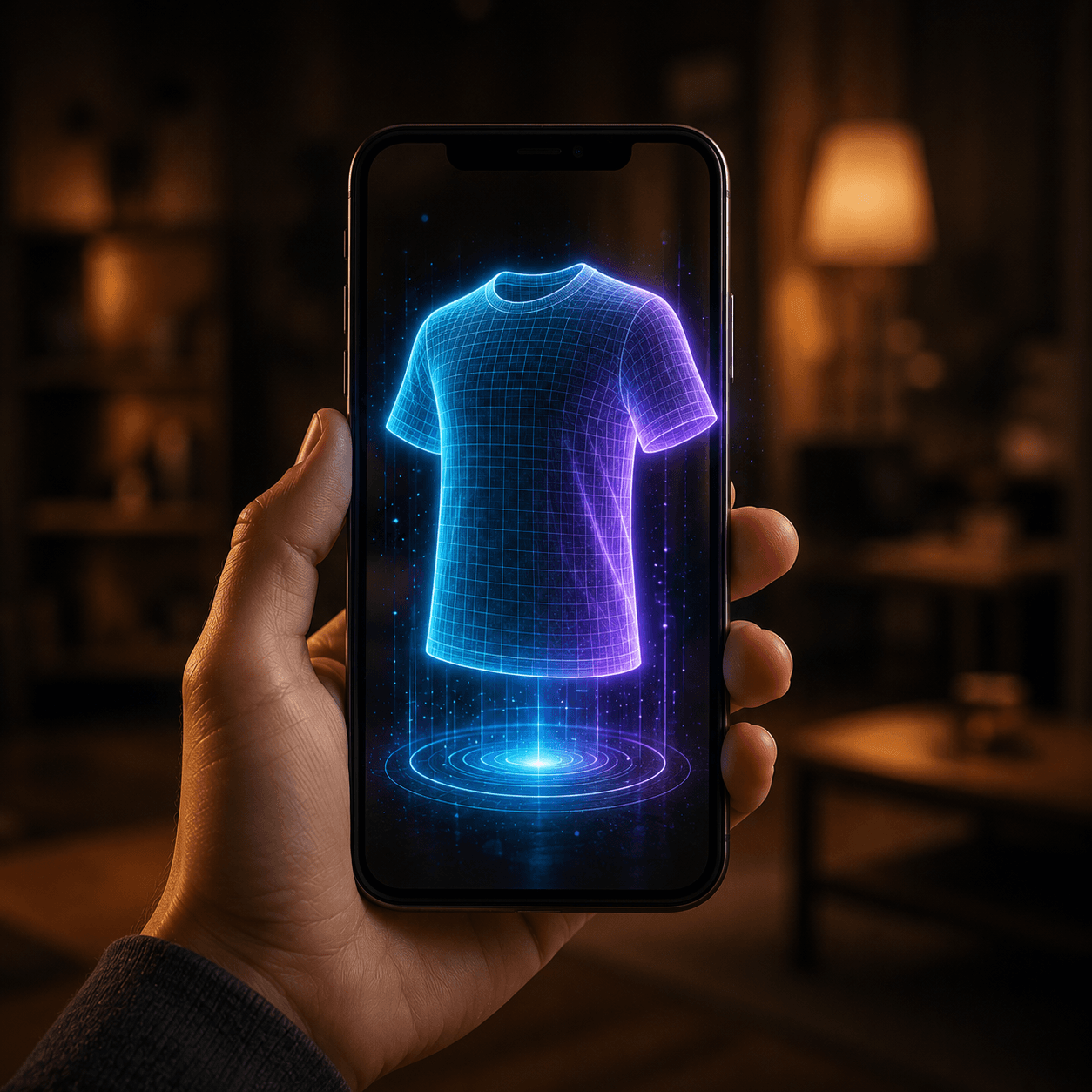
By 2026, the consumer market is expected to account for over 50% of total AR/VR market share, with consumer demand increasingly driven by a desire for utility, efficiency, and personalisation, moving away from static e-commerce pages toward “visual trials”. This shift reflects a broader change in how consumers evaluate products online, where interactivity is becoming an expected part of the browsing experience rather than an added extra. Retailers slow to adapt risk losing ground to competitors already offering these richer, try-before-you-buy style shopping experiences.

Online shopping has run on the same basic format for two decades, a handful of static photos and a product description, but that model is starting to break down as consumer AR and VR adoption crosses over 50 percent of total market share. Shoppers are no longer satisfied guessing how a product will look, fit, or feel based on a flat image. They want what the industry is now calling a visual trial, the ability to see a product in their own space or on their own body before ever clicking buy. This blog explores that shift and what it means for e-commerce, retail, and direct-to-consumer brands still relying on traditional product photography as their primary sales tool. It covers the practical formats already driving this change, including WebXR product previews that load instantly in a browser without any app download, AR try-on experiences for apparel, eyewear, and accessories, and full 3D visualization tools for furniture and home goods where accurate scale and placement make or break a purchase decision. Each of these formats solves the same core problem in a different way, closing the gap between what a product looks like online and what it actually looks like in real life, a gap that has quietly been costing retailers money in the form of returns for years.
The piece breaks down how visual trials directly reduce return rates by setting accurate customer expectations before a purchase is made, and how they tend to increase time on page and conversion by giving shoppers something to actively engage with instead of passively scroll past. It also addresses a practical concern many brands raise before committing to immersive commerce, how much 3D asset creation is actually required to get started, and makes the case for launching with a handful of bestselling products rather than attempting to convert an entire catalog at once. AR try-on technology, WebXR for e-commerce, and immersive product visualization are treated here as one connected capability rather than separate buzzwords, reflecting how digitally native shoppers increasingly expect interactivity as a baseline part of browsing, not a premium add-on reserved for flagship products.