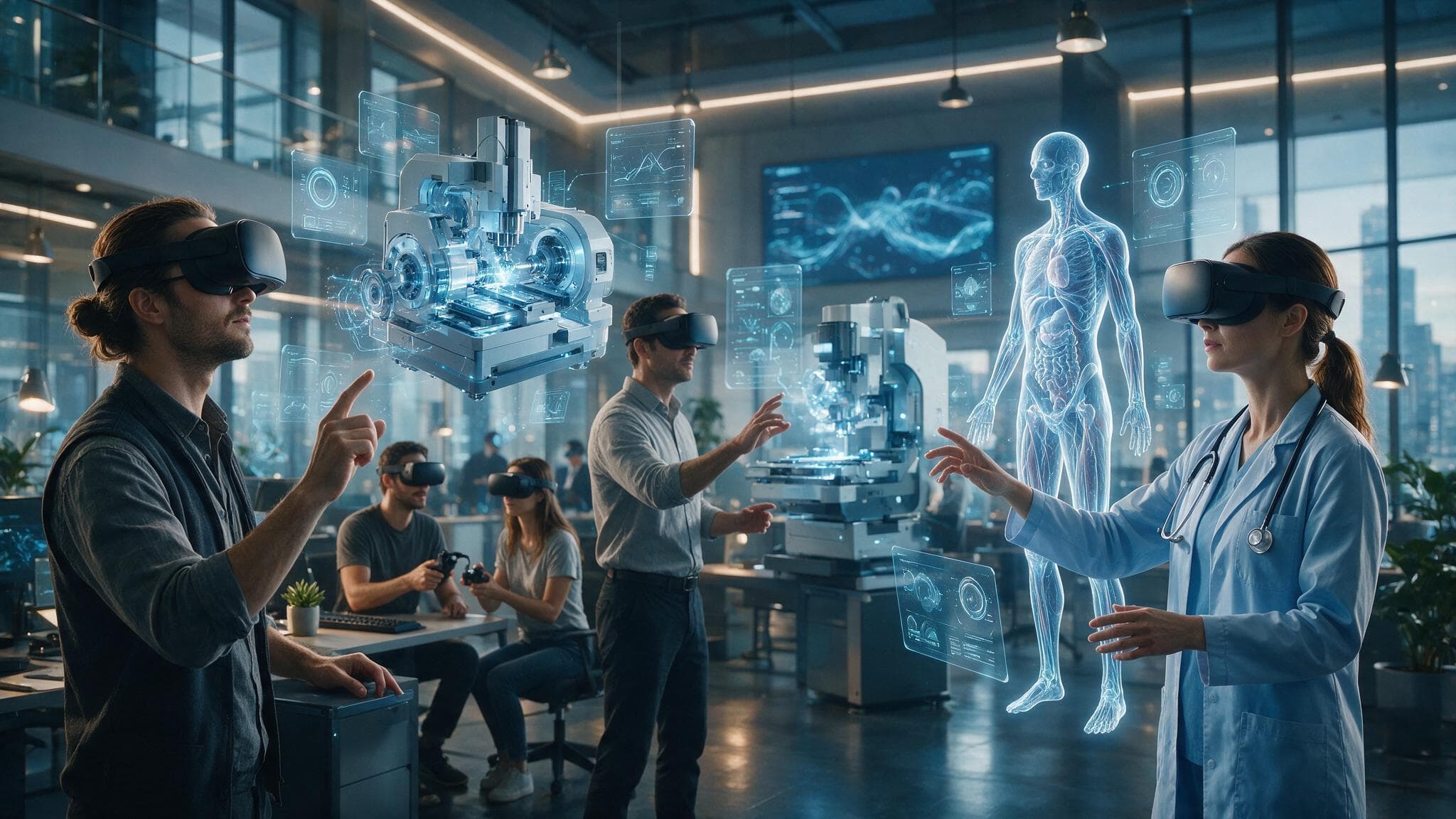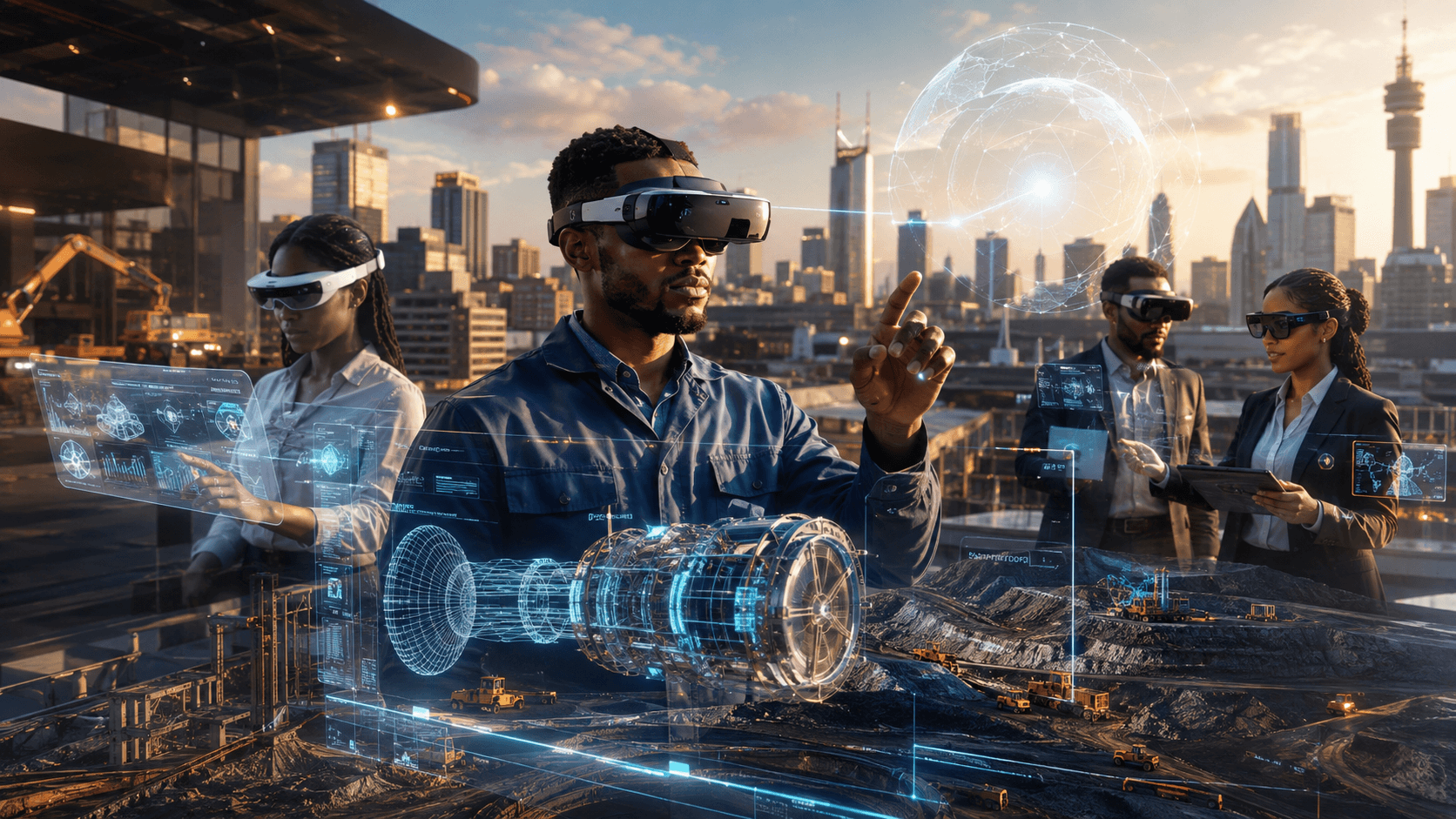

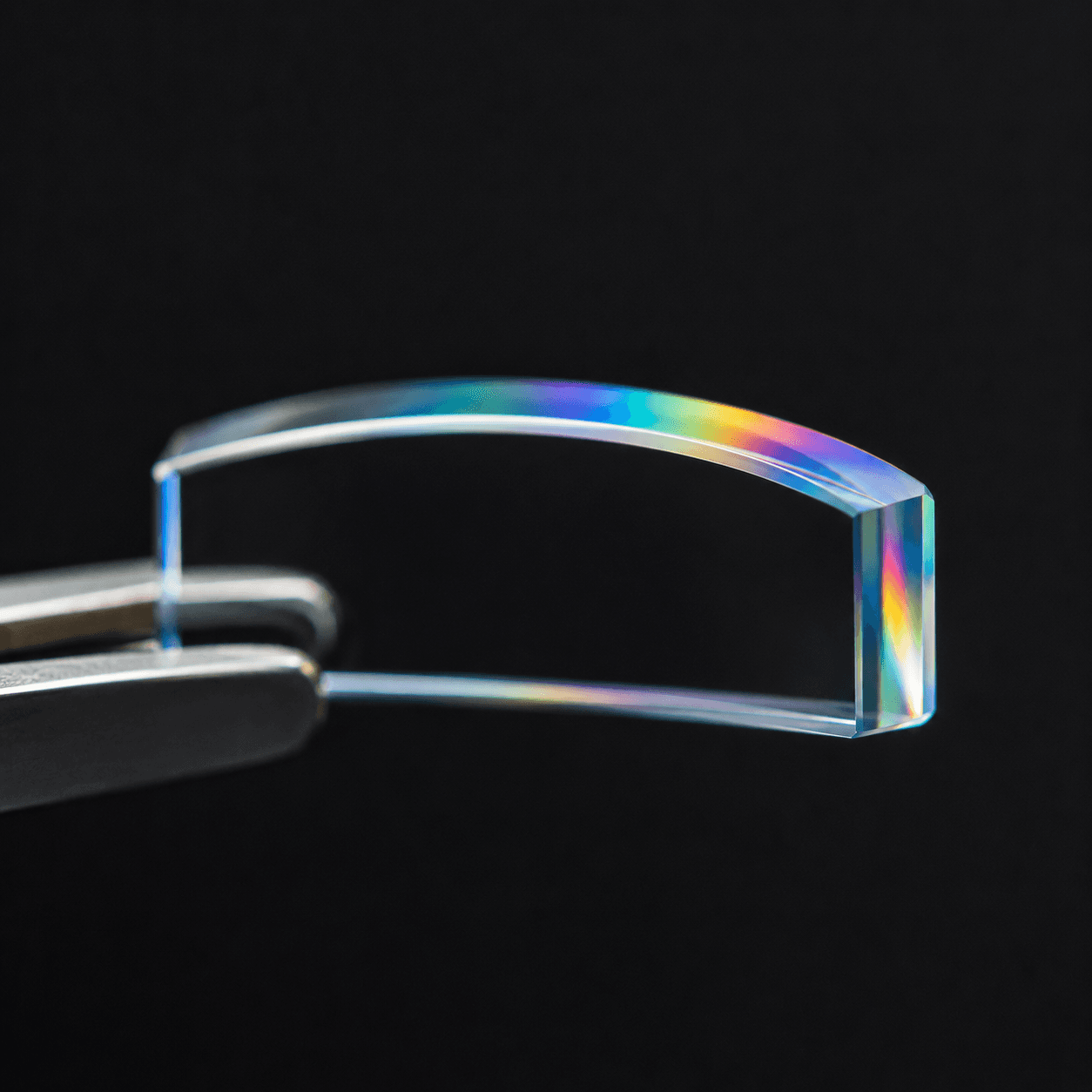
Magic Leap has confirmed its pivot to becoming a waveguide supplier rather than continuing as a headset maker, alongside laying off 200 employees, marking a definitive end to the company’s long run building its own consumer and enterprise AR devices.
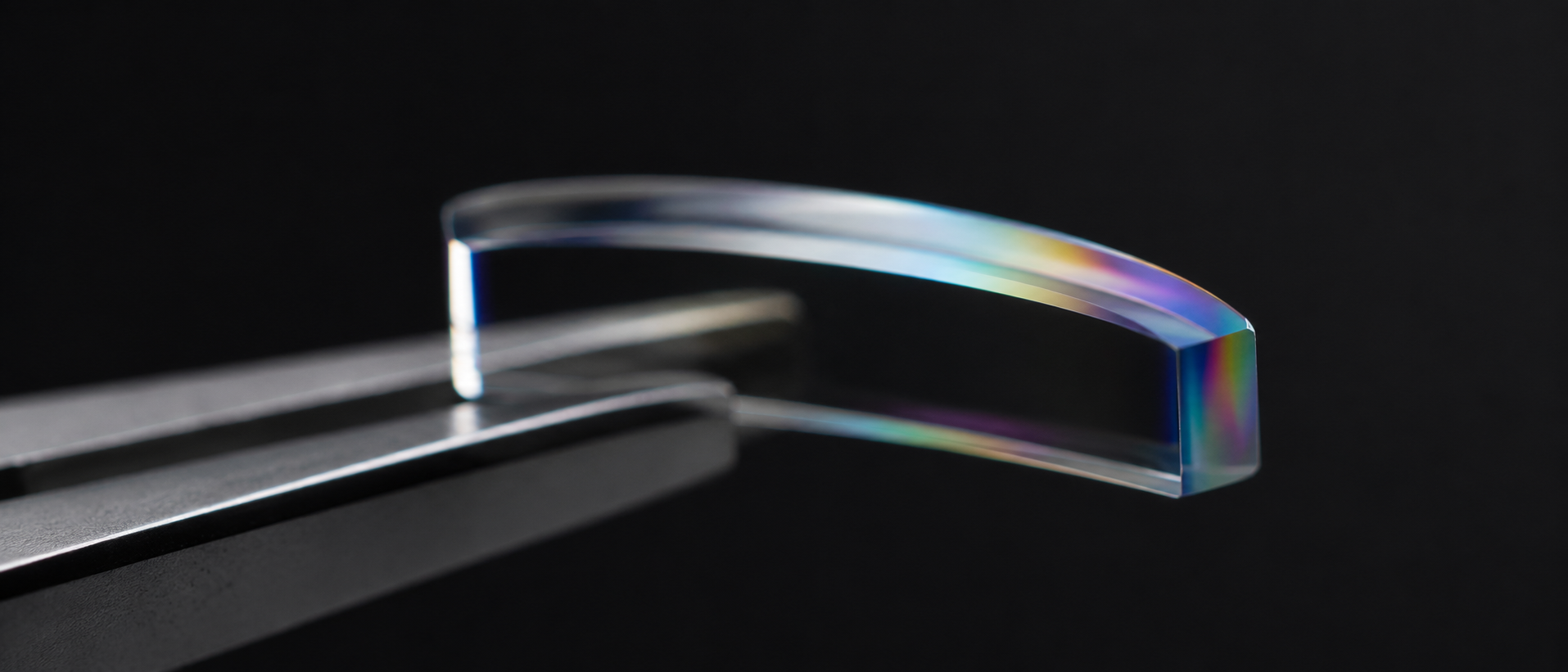
Magic Leap was once one of the most heavily funded and closely watched names in augmented reality, and its confirmed pivot away from building its own headsets toward supplying waveguide components to other manufacturers marks a genuinely significant close to that chapter. This blog uses Magic Leap’s transition, alongside the accompanying layoff of 200 employees, to explore what happens when a pioneering hardware company accepts that its real value lies one layer down in the supply chain rather than in finished consumer products. It opens by explaining what this pivot actually means technically, since waveguide technology, the optical component responsible for guiding light from a display into a wearer’s eye, is one of the hardest and most specialized parts of any AR glasses to manufacture well, meaning Magic Leap’s years of headset-building experience translate into genuine expertise other hardware makers may now be willing to pay for directly rather than compete against. The piece walks through why this kind of pivot represents a rational, if difficult, strategic choice rather than simple failure, arguing that building and selling finished consumer hardware requires an entirely different set of capabilities, marketing, retail distribution, consumer support, than building and selling a specialized component to other manufacturers, and a company recognizing it is better positioned for the latter is making a legitimate strategic correction rather than admitting defeat. It covers what this means for the broader AR component supply chain, since a well-resourced, technically experienced new entrant into waveguide supply could meaningfully increase competition against the small number of specialized optics suppliers currently serving the industry, potentially improving quality and pricing across multiple AR glasses brands that end up sourcing from Magic Leap going forward.
A section will address the direct lesson this holds for businesses evaluating AR hardware vendors, reinforcing a pattern worth repeating, that companies building their own finished AR or VR hardware carry a fundamentally different, generally higher risk profile than companies focused on software, content, or components, and Magic Leap’s transition is one more data point supporting careful vendor stability evaluation before committing to a hardware-dependent partnership. The blog also touches on what this signals about the broader AR hardware market’s ongoing consolidation, where specialized component suppliers increasingly matter more to the industry’s actual progress than any single branded headset, since better waveguides, displays, and sensors benefit every device built on top of them rather than staying locked to one company’s product line. AR hardware supply chain, waveguide technology, and vendor risk evaluation are the throughlines here, treating a company pivot as a genuinely instructive lesson in how the AR hardware industry is actually consolidating.