
On October 19, the Khronos OpenXR Working Group released a new set of extensions that could quietly reshape how enterprise XR applications are built. Called spatial containers, they give OpenXR, the open standard much of the XR industry builds on, a cross-platform way to run XR apps more like windows on a desktop. Until now, OpenXR has been built mainly for fully immersive apps: you put on the headset and the app takes over your entire view. Spatial containers change that. An app can create one or more containers, each able to switch between a new bounded mode, designed for multitasking alongside other apps, and a full immersive mode. The system controls where containers sit, so users can place content where it works best for them, or have it follow them as they move. Containers can also be shown, hidden or selected for input, much like windows on a laptop.
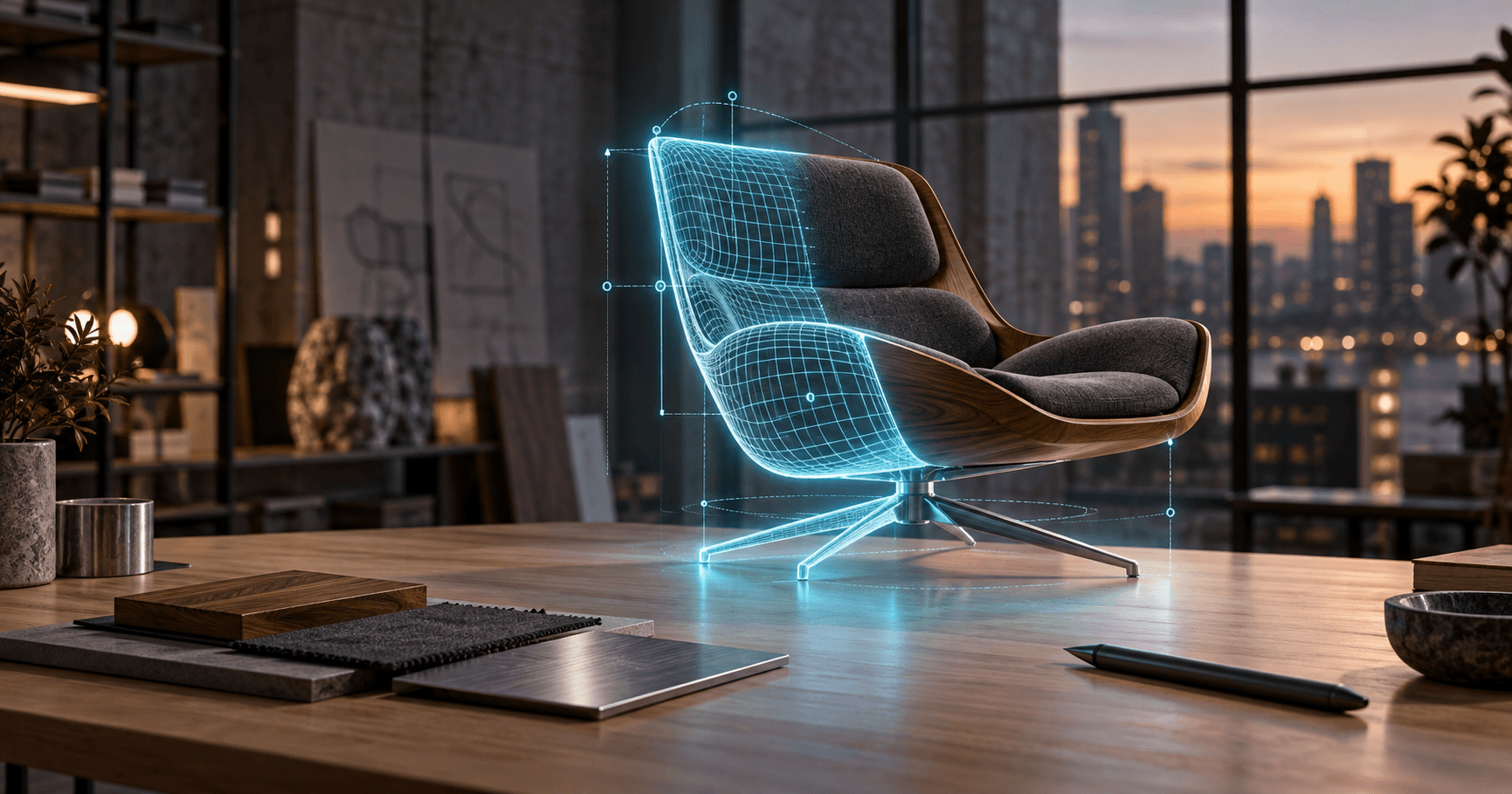
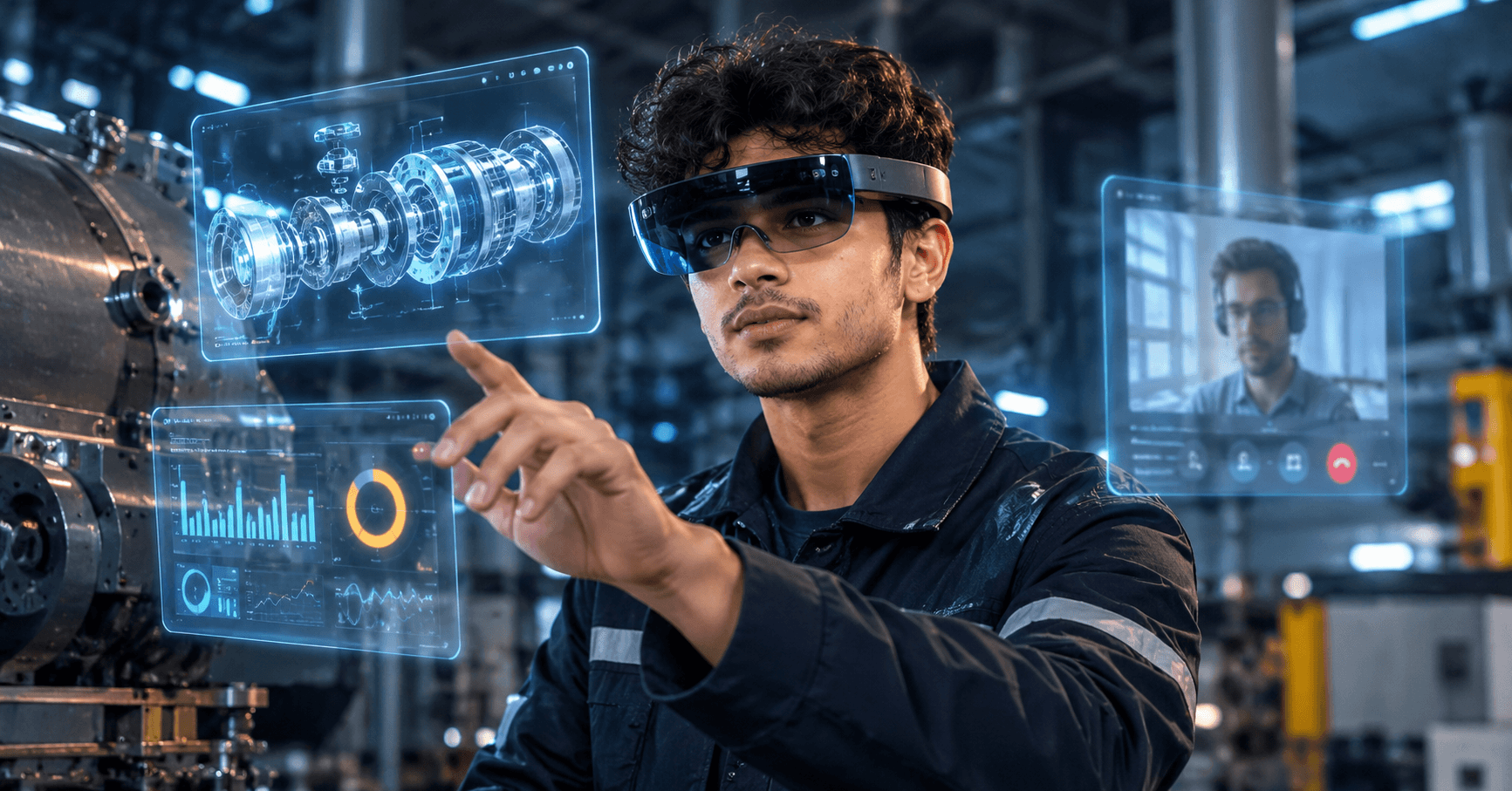
Two extensions are already ratified and published in the OpenXR Registry: XR_EXT_spatial_container for core functionality, and XR_EXT_spatial_container_self_rendering for apps that render their own content. Khronos says the work took 18 months of collaboration between runtime and engine vendors, with a sample now on GitHub and implementations expected to roll out during 2026. Google says it will bring support to Android XR, Godot will add it in its next release, and Meta, Unity, PICO, Varjo and Collabora all backed the release. For enterprises, this is more significant than it sounds. Most real work does not happen in a single isolated app. A maintenance technician may want a step-by-step AR guide in one container, a live sensor dashboard in another and a video call with a remote expert in a third. A design review team may want to switch between a full-scale immersive walkthrough and a bounded 3D model sitting next to their notes. Spatial containers make those workflows possible through a shared standard rather than one vendor’s proprietary system. It also lowers risk. Because the API is cross-platform, an application built on it can follow your organisation from one headset to the next, as long as each device supports the extensions, instead of being rebuilt each time hardware changes.
At PointZero Immersive Lab, we are platform-agnostic by design, and open standards like this are exactly why. As spatial containers reach devices, we will be building training, visualisation and field-support experiences that live alongside the tools your teams already use.