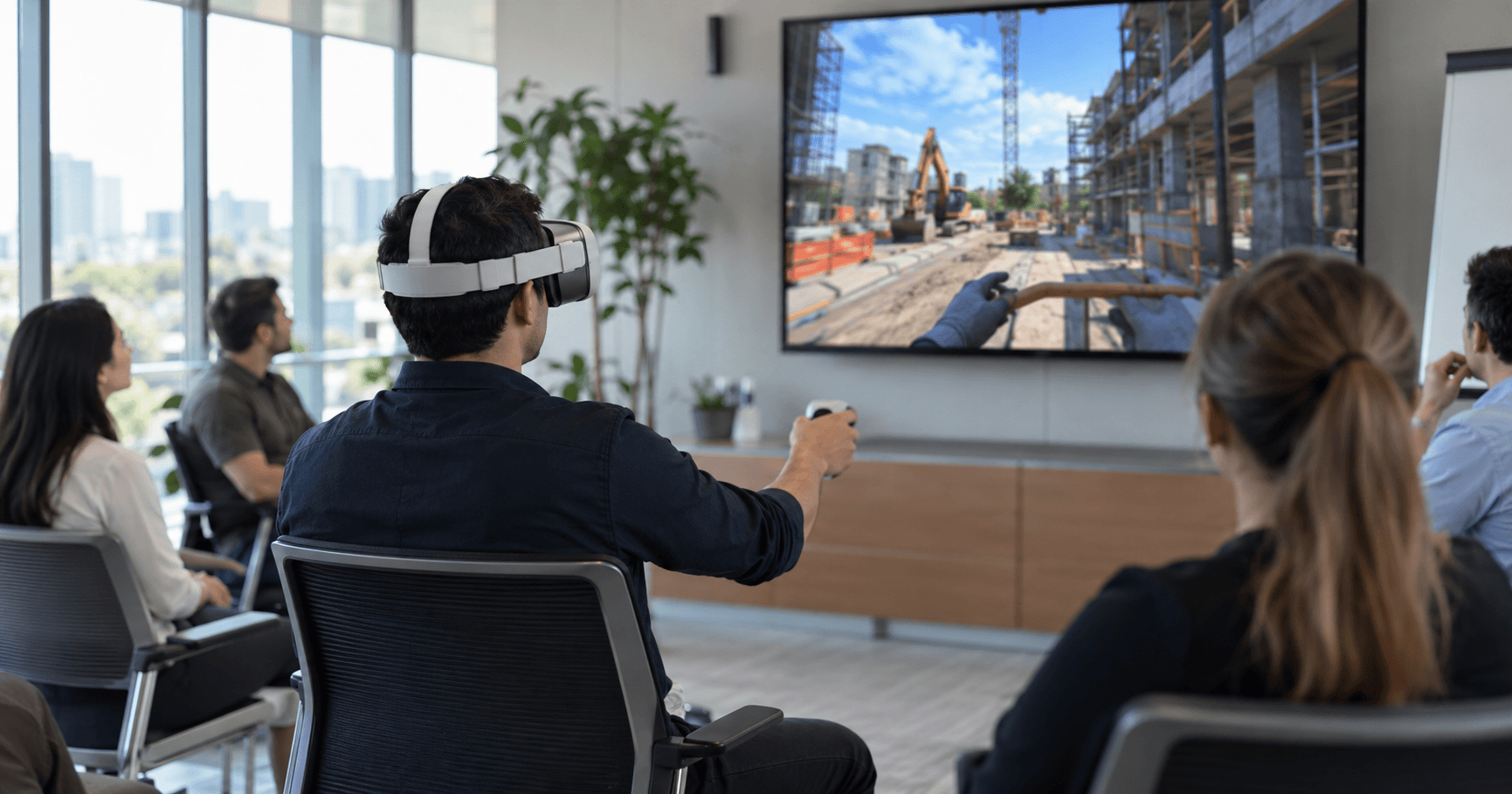

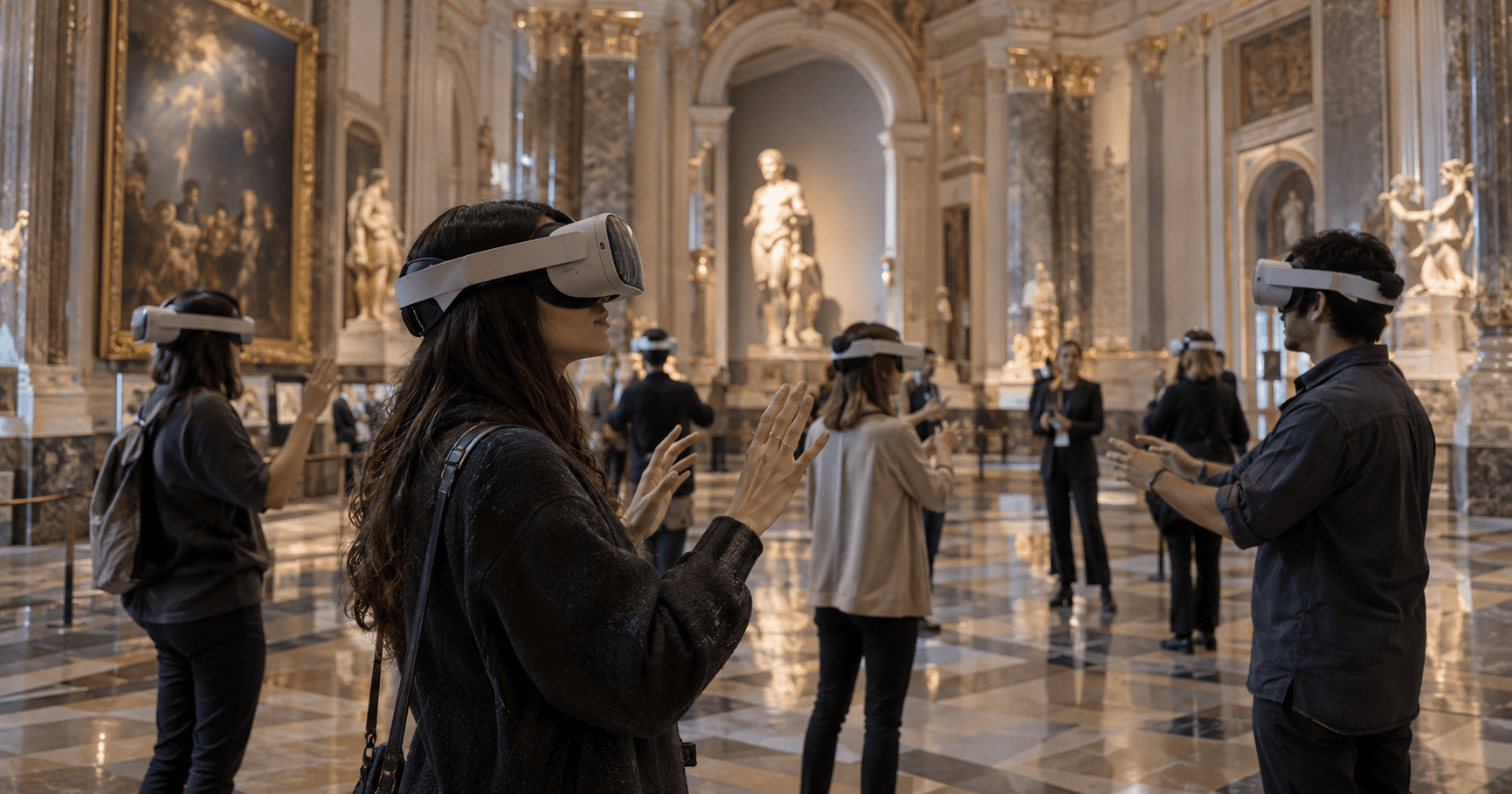
Most VR experiences are designed for one person in one headset, which works at home but breaks down in a venue that welcomes hundreds of visitors a day. Paris-based Excurio set out to solve exactly that with LBXR Pulse, a platform that lets museums, cultural institutions, entertainment venues, and other organizations deploy VR to up to 130 users simultaneously in multiple concurrent experiences. The company was named among the honorees in Fast Company's Next Big Things in Tech awards for 2026, in a category recognizing immersive experiences for product designers, museums, and medical professionals. The detail worth noticing is the phrase "multiple concurrent experiences." A venue rarely wants every visitor watching the same thing at the same moment, and being able to run different experiences for different groups at once is what turns a headset demo into something a venue can actually schedule around.
For heritage sites, museums, and tourism operators, the hard part of VR has never been the content alone, it has been throughput, staffing, and the logistics of getting many people through an experience without long queues. A platform built around group deployment changes the math, because the cost of the content is spread across many visitors and the staff effort per person drops. Anyone planning a venue-based VR project should ask a few practical questions early: how many people need to be served per hour, how different groups will be managed at the same time, and how the experience is reset between sessions. It is also worth remembering that scale only pays off if the experience itself is worth queuing for. The strongest cultural VR projects pair solid group logistics with a story or reconstruction that visitors genuinely cannot get from a plaque or a screen, such as walking through a building as it once stood.