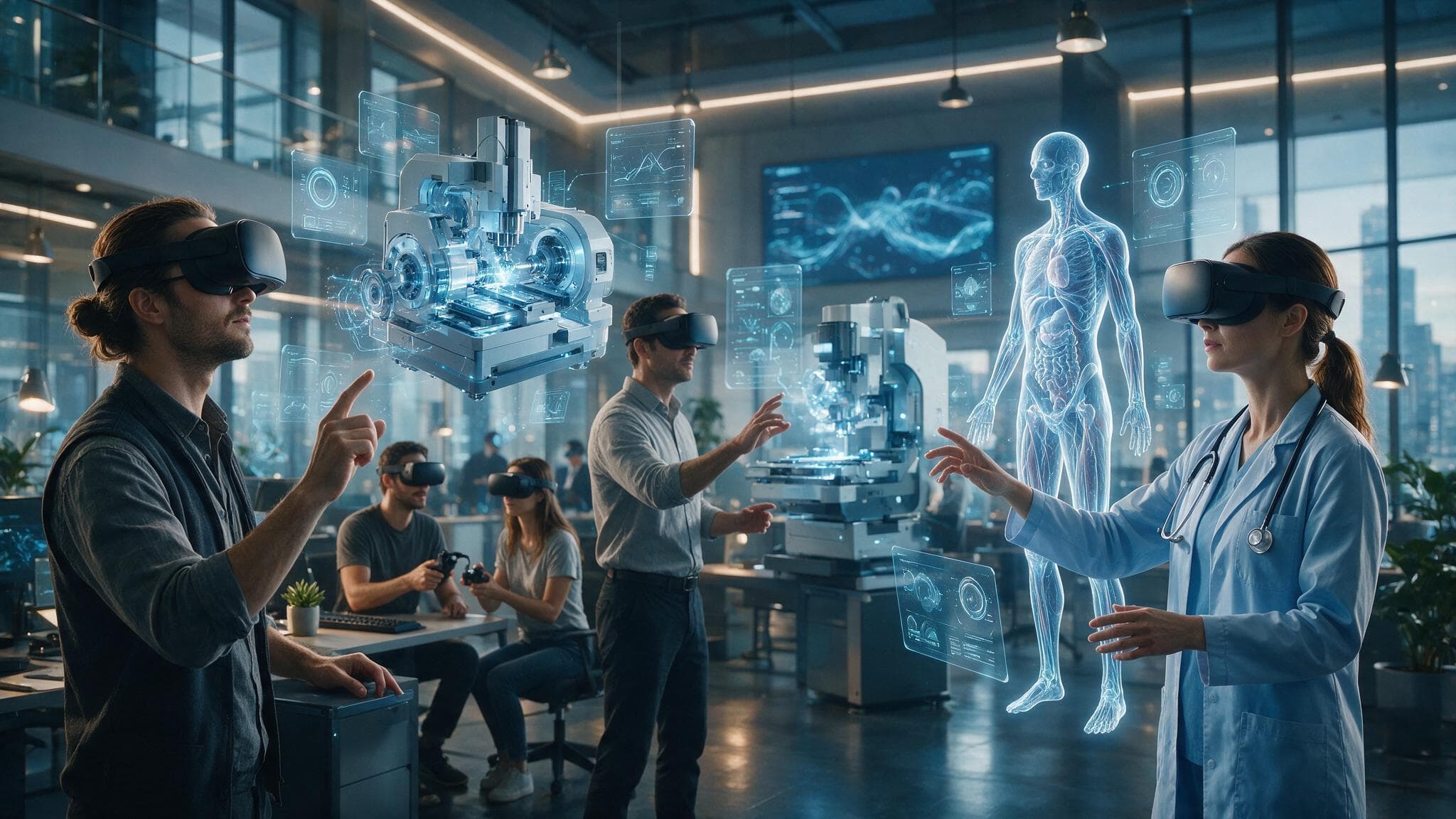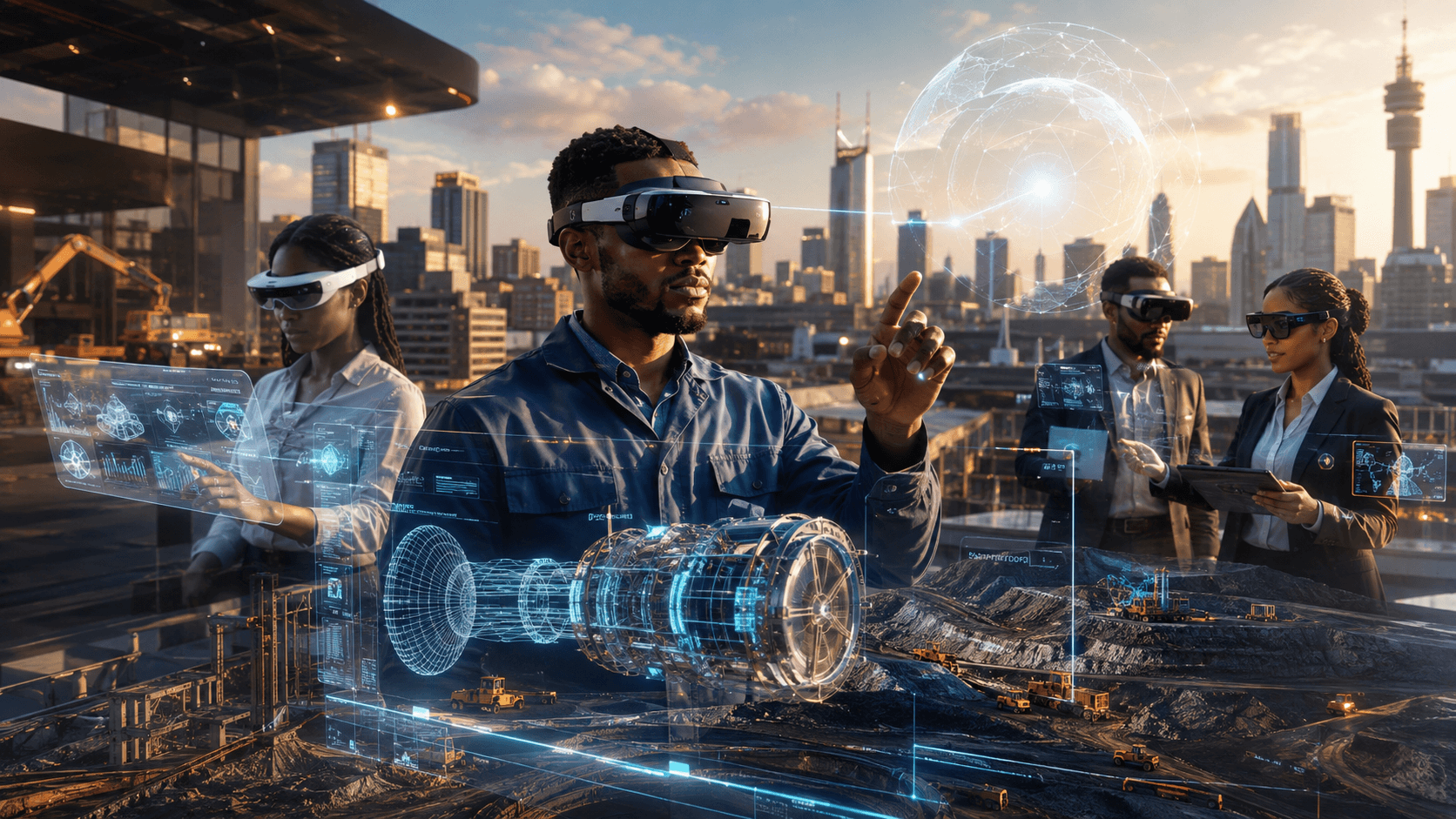

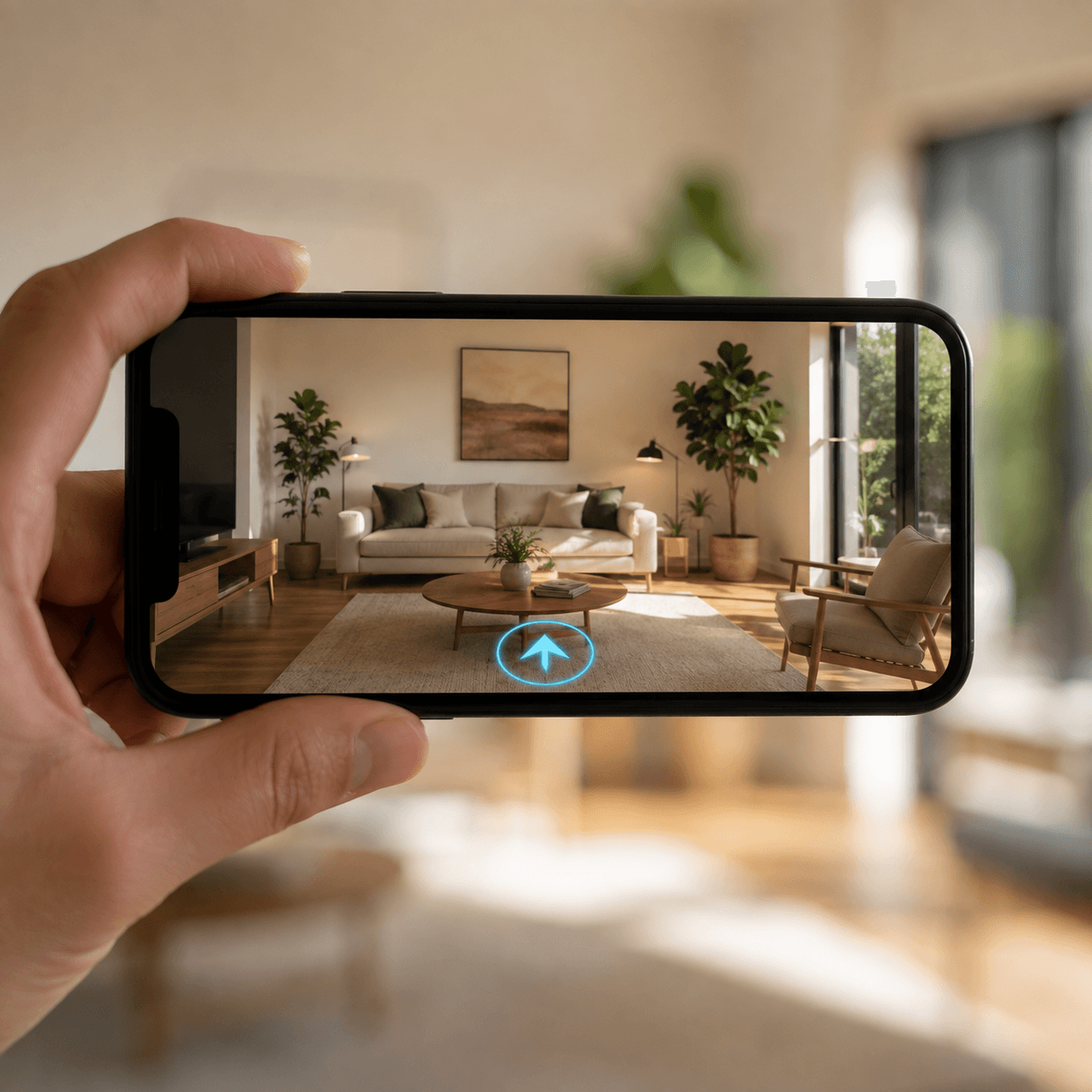
Virtual Reality and Augmented Reality are transforming real estate through immersive tours, digital twins, and interactive visualization, allowing buyers, investors, and developers to engage with properties in entirely new ways, with these technologies accelerating digital transformation in real estate by improving engagement, shortening sales cycles, and increasing conversions.
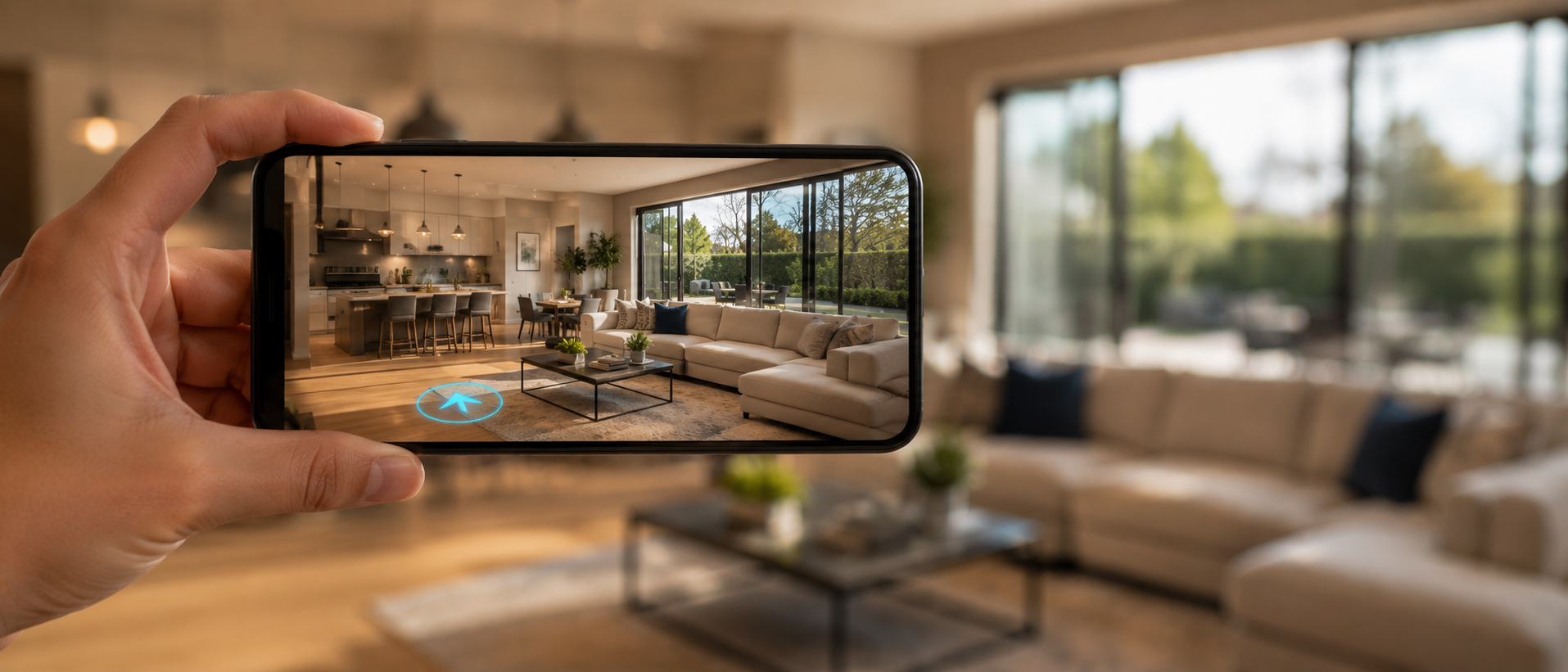
Real estate decisions used to run on a fixed rhythm, brochures, static floor plans, and scheduled site visits, each step adding time before a buyer or investor could actually make a decision, and the shift toward immersive tours and digital twins is directly compressing that rhythm, with measurable effects on engagement, sales cycle length, and conversion rates. This blog breaks down exactly how each piece of that immersive technology stack, tours, digital twins, and interactive visualization, contributes to a shorter, more efficient sales process, rather than treating “shortens sales cycles” as a vague, unexplained benefit. It opens by explaining the traditional bottleneck this technology directly addresses, that a buyer or investor traditionally could not meaningfully evaluate a property without either visiting in person or relying on static, incomplete representations like photos and floor plans, forcing a slow, sequential process of scheduling visits and eliminating unsuitable options one at a time. The piece walks through how immersive virtual tours change that sequence, letting a much larger pool of interested buyers self-qualify remotely before ever requesting an in-person visit, meaning the site visits that do happen involve buyers who are already seriously engaged rather than casually browsing, a genuine efficiency gain for agents and sellers alike. It covers what digital twins specifically add beyond a standard virtual tour, providing an accurate, data-connected digital replica of a property or development that stays current with real project status, particularly valuable for investors and developers evaluating properties still under construction or undergoing renovation, where a static tour would quickly become outdated.
A section will address why this technology particularly benefits real estate specifically compared to other visualization-dependent industries, since property purchase decisions carry unusually high stakes and unusually long traditional evaluation timelines, meaning any technology that genuinely shortens that timeline while maintaining or improving buyer confidence delivers outsized value relative to the technology’s cost. The blog also touches on why increasing conversion rates and shortening sales cycles are genuinely connected outcomes rather than separate benefits, arguing that buyers who have already virtually explored and mentally committed to a property before an in-person visit convert at meaningfully higher rates than buyers starting their evaluation from a first physical walkthrough. Immersive real estate technology, digital twin property visualization, and virtual tour conversion rates are the throughlines here, breaking down the specific mechanics behind real estate’s genuinely accelerating sales cycle.