

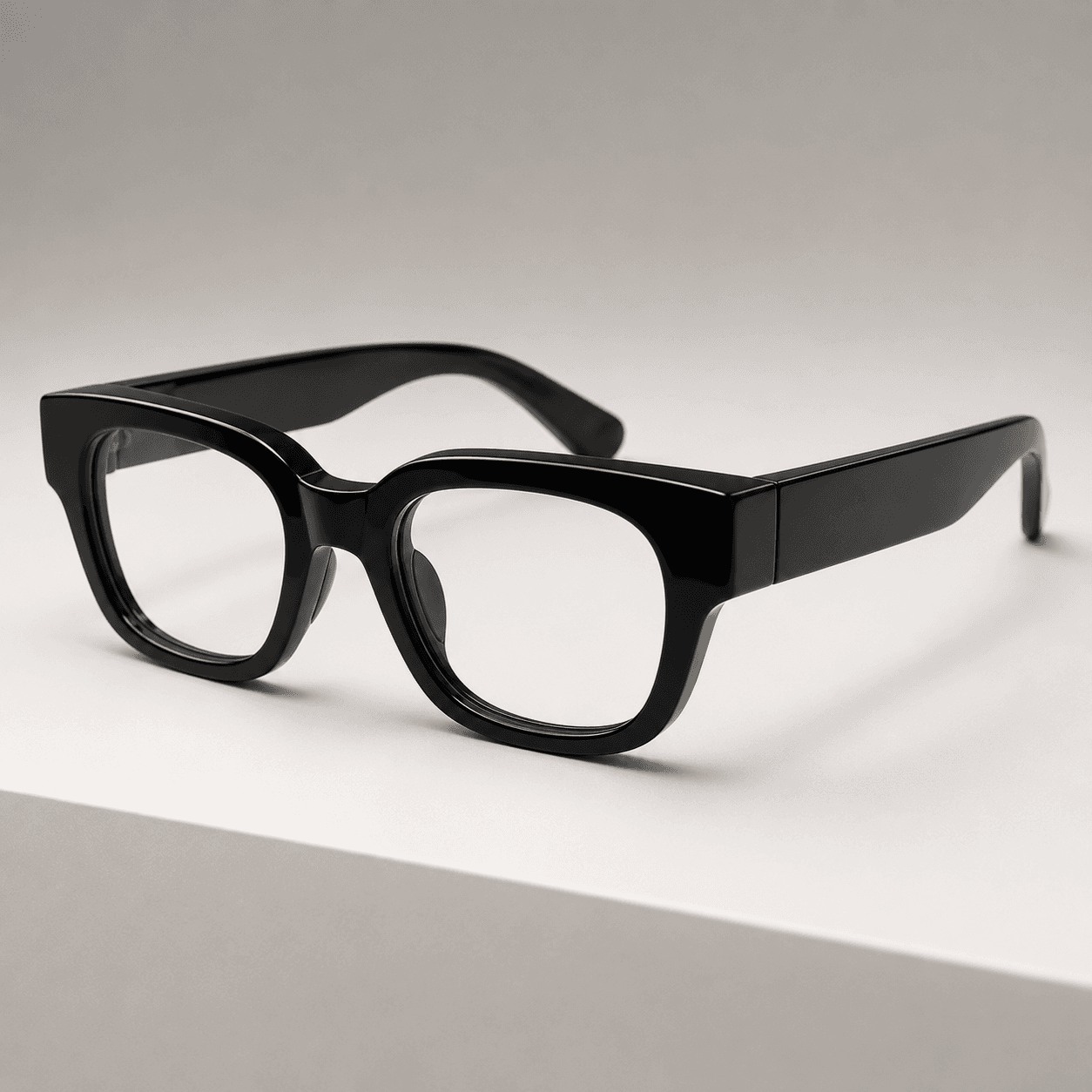
Speaking with The Korea Times, Samsung’s Head of Extended Reality Research & Development, Choi Jae-in, said Galaxy Glasses will be priced “at a reasonable level…but it should initially be positioned in the premium range,” with rumors placing the device in the $379 to $499 band, above Meta’s $299 non-display glasses but below Meta’s $799 Ray-Ban Display model.
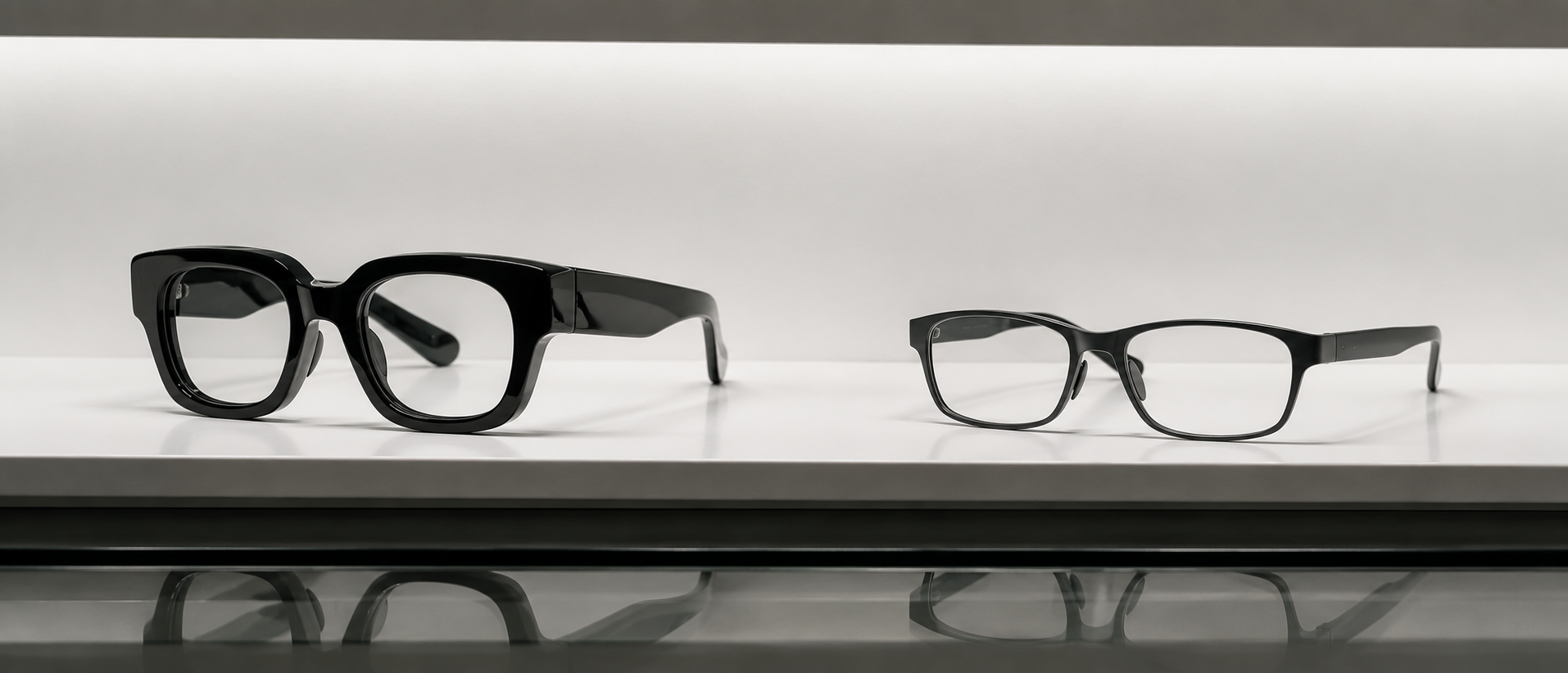
Samsung revealing a pricing philosophy without an actual number might seem like a non-announcement, but reading between the lines of “reasonable premium” positioning tells a genuinely clear story about exactly who Samsung is trying to compete against, and this blog breaks down what that positioning signals for businesses tracking the smart glasses competitive landscape. It opens by explaining why Samsung’s specific choice of words matters, since explicitly calling out “premium” positioning while emphasizing “reasonable” pricing is a deliberate attempt to sit above Meta’s affordable $299 entry-level glasses while staying meaningfully below Meta’s $799 display-equipped model, carving out a specific middle position rather than competing purely on price at either end. The piece walks through Samsung’s stated justification for this positioning, building Galaxy Glasses to the same durability and reliability standards as its flagship Galaxy smartphones, while using split computing that offloads heavy processing to a connected phone, allowing a lighter, more comfortable frame than fully self-contained competitors. It covers what Samsung’s deeper strategic differentiation actually is, positioning Galaxy Glasses as “an extension of the experience centered on the smartphone, rather than being a post-smartphone device,” a meaningfully different philosophy than Meta’s standalone-accessory approach, leaning instead into deep Galaxy Watch gesture integration and instant photo syncing that only make sense for someone already inside the Samsung ecosystem.
A section will address what this phone-tethered, ecosystem-first strategy means for enterprise buyers evaluating smart glasses platforms, arguing that businesses already standardized on Samsung or broader Android hardware may find meaningfully smoother integration with Galaxy Glasses than with a platform-agnostic competitor, while organizations with mixed device fleets should weigh that ecosystem lock-in carefully against the platform flexibility a less integrated option might offer. The blog also touches on what the reported $379 to $499 pricing band means competitively, noting that this range positions Samsung squarely in what analysts are calling the smart glasses category’s most crowded pricing tier in years, directly between Meta’s two current offerings, making Samsung’s actual differentiation depend heavily on ecosystem integration and build quality claims rather than price alone. Android XR smart glasses pricing, Samsung Galaxy Glasses strategy, and ecosystem-based wearable positioning are the throughlines here, translating a vague pricing statement into a genuinely useful competitive read for anyone tracking this market.