

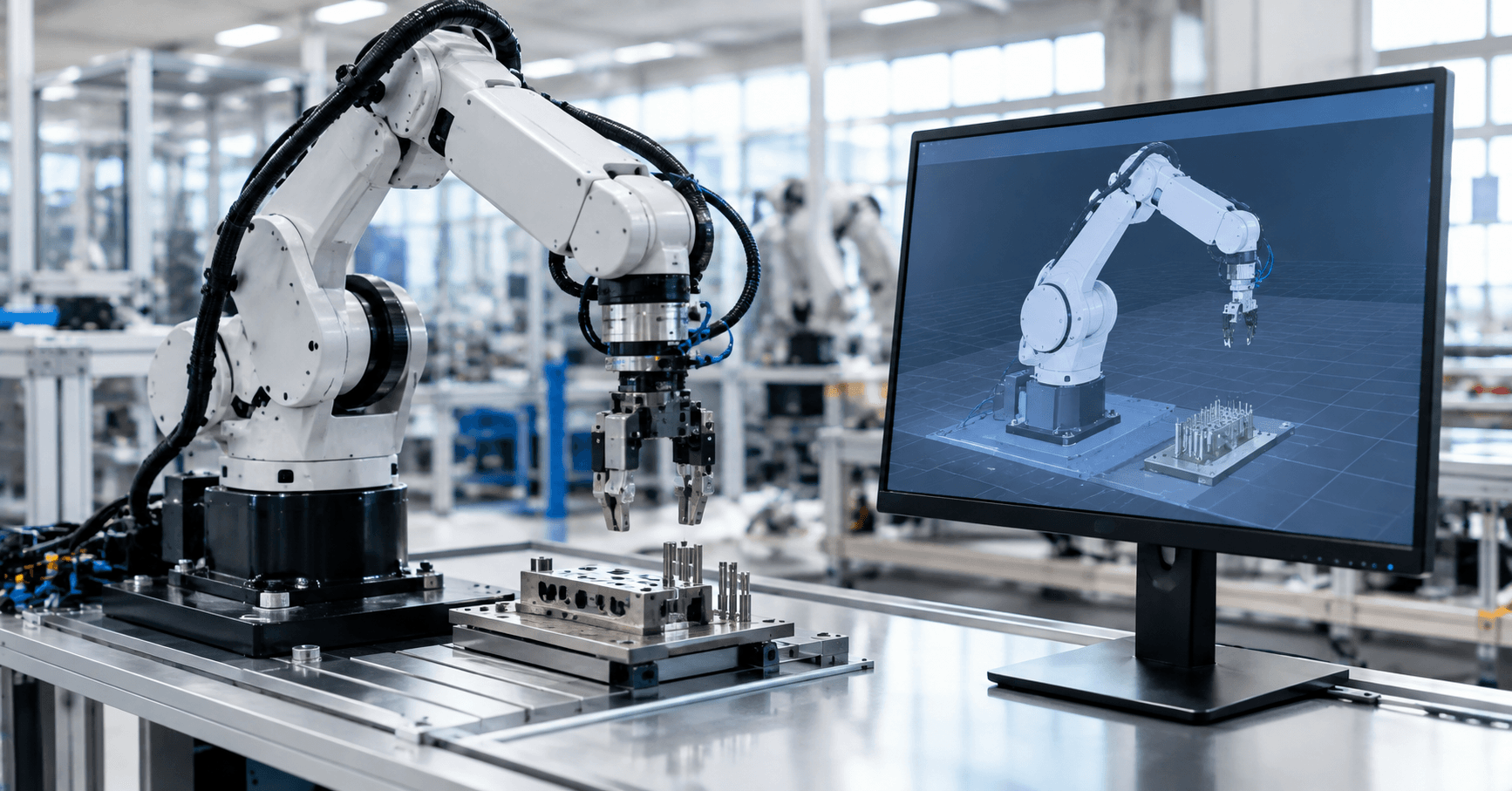
Unity has launched Unity Simulation Pro in early access, a platform built specifically for robotics simulation rather than the general game and interactive content development Unity has traditionally been known for. This matters for immersive studios building industrial and manufacturing content because it signals Unity investing real engineering effort into physically accurate, high-fidelity simulation environments, the kind of precise collision detection, sensor simulation, and physics modeling that robotics development genuinely requires, capabilities that sit adjacent to, and often directly overlap with, what's needed to build convincing training simulations for equipment operation, assembly guidance, and facility walkthroughs in manufacturing, oil and gas, and aviation.
The practical opportunity here is that tooling built for robotics simulation tends to raise the baseline quality bar for every other simulation-adjacent use case on the same engine, meaning improvements aimed at robotics developers, better physics accuracy, more realistic sensor and camera simulation, more robust handling of complex mechanical interactions, are likely to become available to training and visualization studios building on Unity as well, even if that wasn't the primary target audience. For PointZero, this is worth watching specifically in the context of manufacturing and industrial training clients who need genuinely accurate equipment behavior in a simulation, not just visually convincing environments, since a tool built to satisfy robotics engineers' accuracy standards is a meaningfully higher bar than most consumer-facing VR content has ever needed to clear. Worth a closer evaluation once the early access program matures, both as a potential production tool for upcoming industrial training builds and as a talking point demonstrating the studio stays current with the same underlying engine ecosystem powering the broader shift toward physically accurate digital twins.