
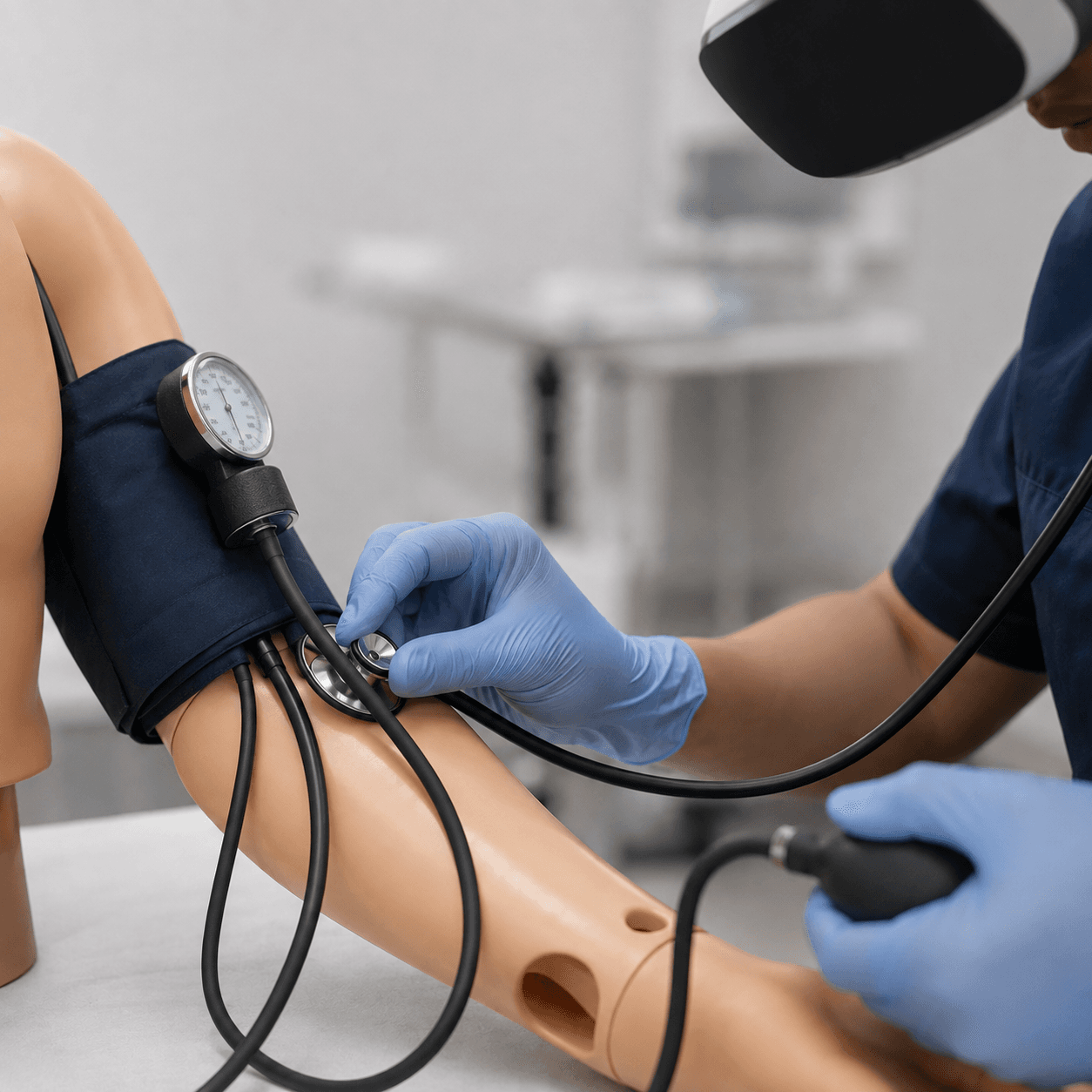
n clinical training comparisons, the VR group achieved a 78% learning gain in blood pressure training versus 44% for traditional slides, a 50% gain versus 31% in respirations training, and a 47% gain versus 30% in pain assessment training, each representing measurable, task-specific improvements over passive slide-based instruction.
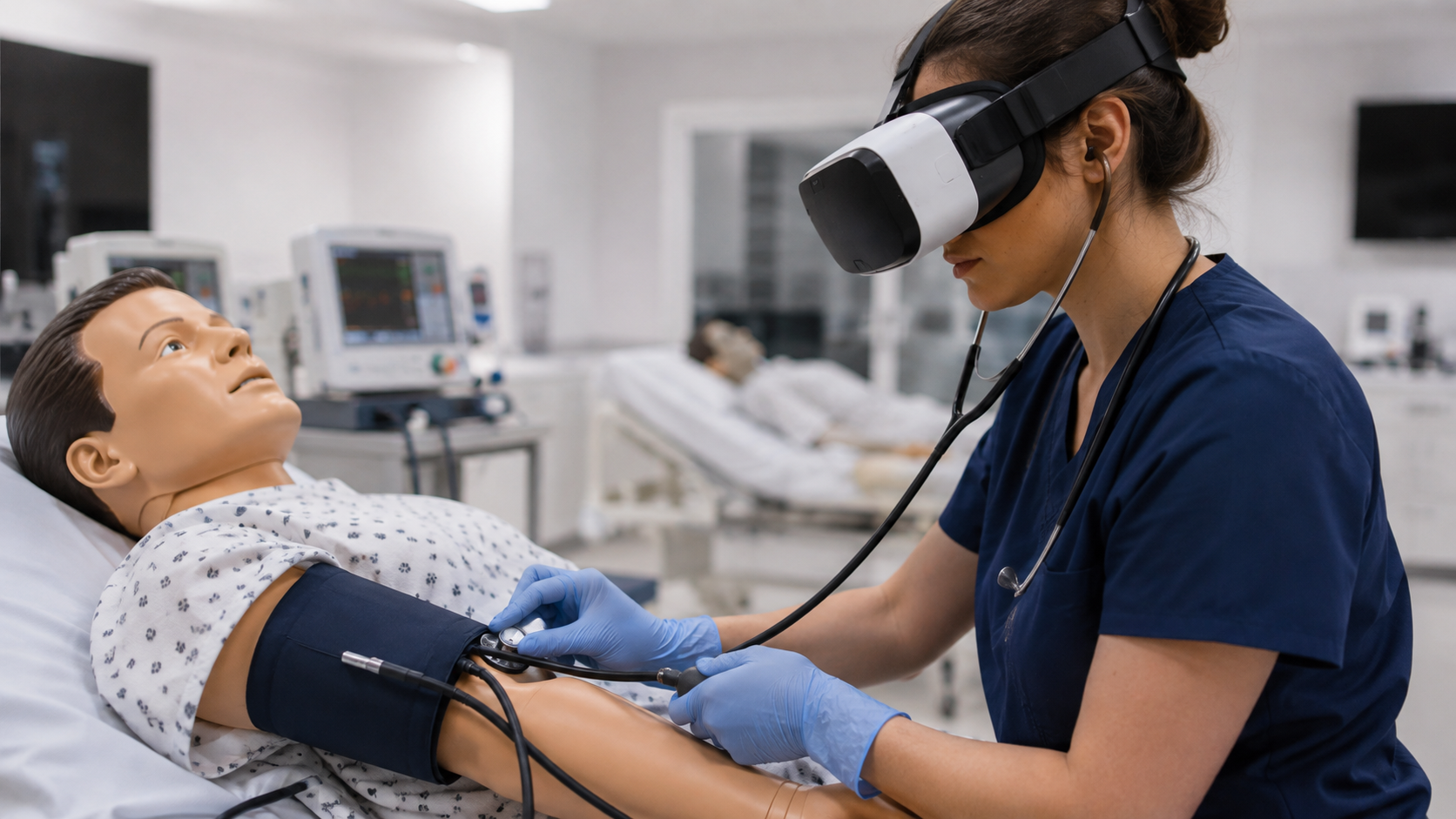
Not every clinical skill benefits equally from VR training, and the genuinely interesting part of this specific dataset isn’t just that VR outperformed traditional slide-based instruction across the board, it’s that the size of that advantage varies meaningfully depending on the specific skill being taught, a distinction worth understanding before any healthcare organization commits to a VR training rollout. This blog breaks down these three specific comparisons, blood pressure, respirations, and pain assessment training, to explore why VR’s advantage over passive instruction shows up so differently across related but distinct clinical skills. It opens by explaining the baseline problem this data addresses, that traditional slide-based clinical training asks learners to absorb procedural knowledge passively, then apply it correctly on a real patient with no intermediate practice step, a genuine gap between knowing a procedure exists and being able to execute it confidently and correctly. The piece walks through why blood pressure training showed the largest gap, a 78% learning gain compared to 44% for slides, arguing that this specific skill involves a meaningful physical and procedural component, correct positioning, technique, and interpretation, that a slide simply cannot teach experientially, while VR lets a learner practice the actual physical sequence repeatedly. It covers why respirations and pain assessment showed somewhat smaller, though still substantial, gains, since these skills involve more observational and judgment-based components that, while still benefiting from immersive practice, may depend slightly less on hands-on procedural repetition than a task like blood pressure measurement.
A section will address what this pattern means practically for healthcare training leaders deciding where to prioritize VR investment first, arguing that skills with a strong hands-on, procedural component tend to show the clearest, most dramatic VR training advantage, making them a smart starting point for organizations building a phased VR training rollout rather than attempting to convert an entire curriculum simultaneously. The blog also touches on why this kind of skill-by-skill breakdown matters more than a single average improvement figure, since treating all clinical skills as equally suited to VR training risks both overinvesting in areas with modest returns and underinvesting in the specific skills where VR delivers the strongest measurable impact. Clinical VR training effectiveness, nursing skill acquisition, and evidence-based healthcare training design are the throughlines here, using granular, skill-specific data to help healthcare training leaders make genuinely informed VR investment decisions.