

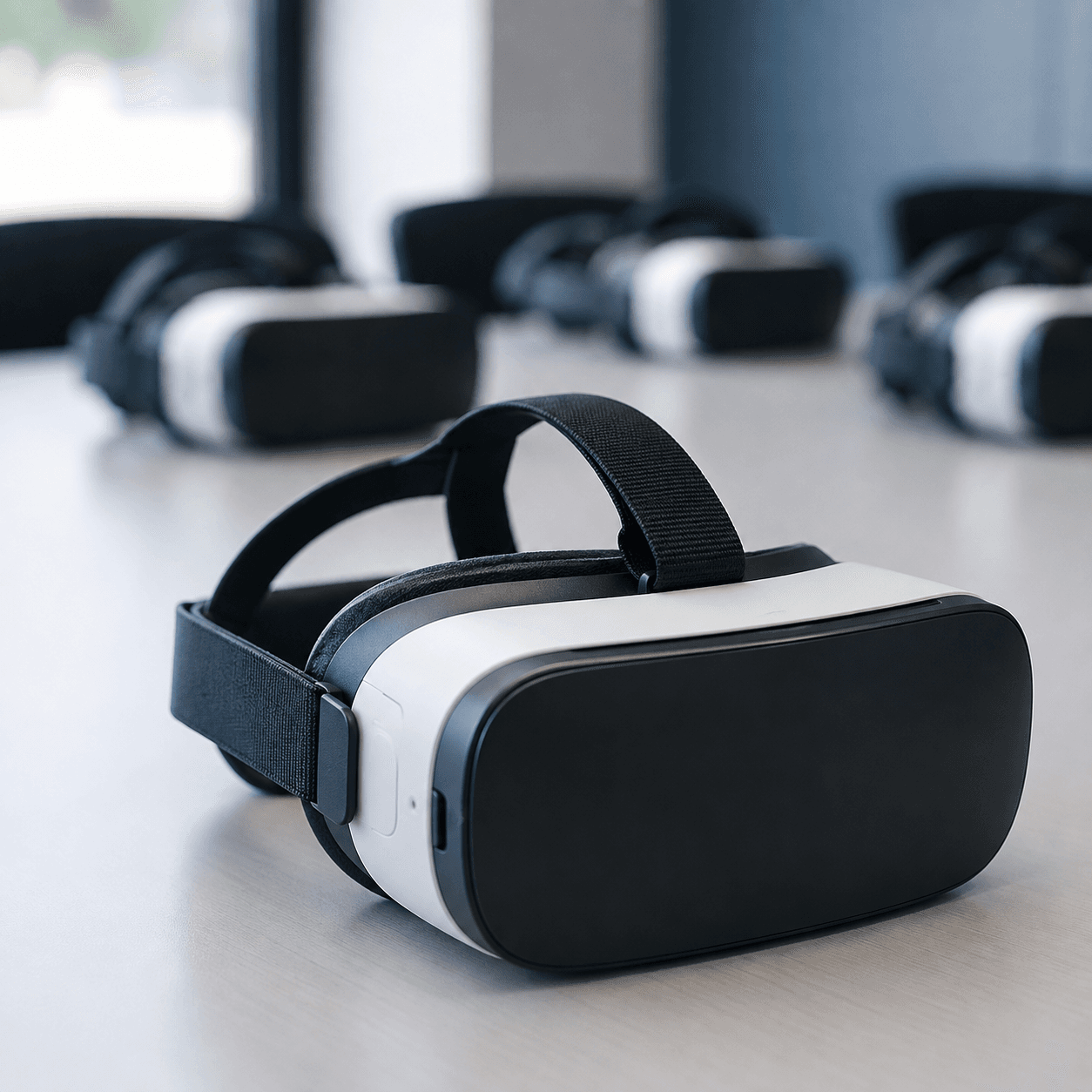
VR training reaches cost parity with classroom methods at 375 learners and becomes 52% more cost-effective with 3,000 learners, delivering training up to 6.5x faster with retention rates of up to 80% a year post-training, alongside a documented 40% improvement in employee performance.
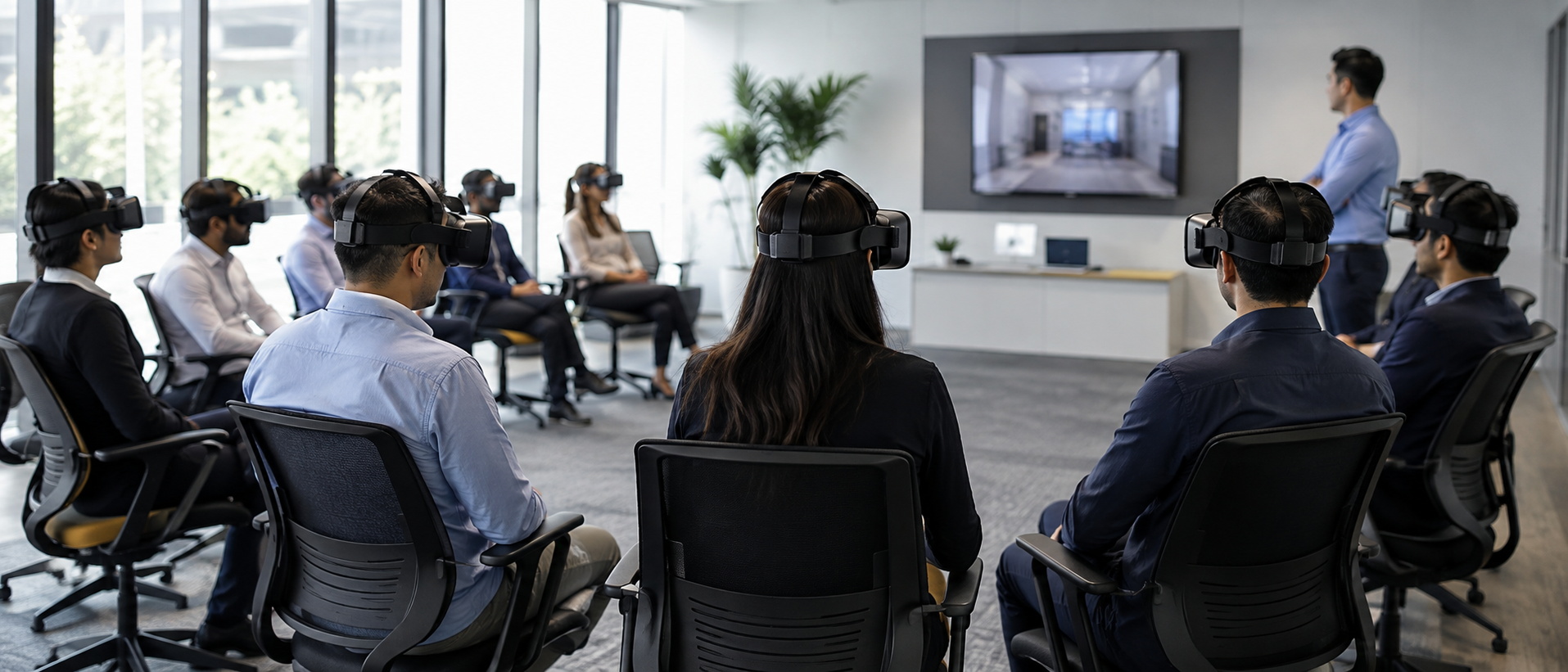
Every VR training pitch eventually runs into the same objection, the upfront cost, and this data finally gives a precise answer to the question that objection is really asking, at what point does VR training actually become cheaper than traditional classroom instruction. This blog breaks down the specific numbers behind that crossover point, and why understanding your own organization’s training volume is the single most important input for deciding whether VR training makes financial sense right now or later. It opens by explaining why VR training carries a higher upfront cost than classroom methods in the first place, covering the investment required for content development, hardware, and initial setup, a real cost that has historically made the technology feel like a luxury rather than a practical choice for organizations without massive training budgets. The piece walks through what cost parity at 375 learners actually means in practice, that once an organization trains roughly that many people through a given program, the per-learner cost of VR training matches traditional classroom methods, and every learner trained beyond that point pushes the cost advantage further in VR’s favor. It covers why the advantage becomes so pronounced at scale, reaching 52% more cost-effective at 3,000 learners, since classroom training costs scale largely linearly with headcount, instructor time, facility costs, materials, per session, while VR content, once built, can be deployed to additional learners at a fraction of the marginal cost.
A section will address why the 6.5x faster training time and 80% year-later retention rate matter as much as the direct cost comparison, since faster, more durable training compounds the financial advantage further, reducing the total time employees spend away from productive work and reducing the frequency and cost of retraining. The blog also touches on how to apply this breakeven data practically, walking through how an organization should calculate its own realistic learner volume for a specific training program, seasonal hiring, high turnover roles, or large distributed workforces, before deciding whether VR training clears the 375-learner threshold within a reasonable timeframe. The blog closes by connecting the 40% improvement in employee performance finding to the broader business case, arguing that even organizations below the pure cost-parity threshold may find the performance improvement alone justifies the investment. VR training cost analysis, training ROI at scale, and enterprise learning economics are the throughlines here, giving training leaders genuinely precise numbers to build a data-driven investment case rather than a general enthusiasm-based pitch.